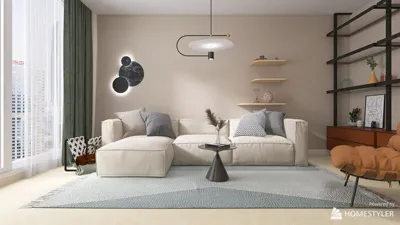


In the last ten years as an interior designer, I have observed the elegant pairing of black and green transition from a niche preference to a staple in modern decor. This year, it's evident that black green living room concepts are trending. Particularly in smaller spaces, this striking combination brings a unique charm—transforming a modest room into one that feels both intentional and sophisticated with moody green walls complemented by matte black accents. In this article, I’ll share ten design inspirations from my projects, enriched by expert insights to rejuvenate your living area.
1. Deep Emerald Accent Wall
My Insight: I once revamped a narrow living room by introducing a captivating deep emerald wall, and the enhancement was remarkable. The depth of the color significantly anchored the space.
Advantages: Emerald green combined with black adds both depth and elegance—a strategy highlighted in the Pantone Color Institute's trend report for 2023. It enhances character without overwhelming the design.
Drawbacks: Dark shades can make a dim room appear smaller; integrating mirrors or clever lighting can balance this effect.
Suggestion: Utilize wood accents to foster a warm ambiance, transforming the moodiness into a cozy environment instead of a heavy one.
2. Velvet Black Sofa & Sage Throw
My Experience: In my first apartment, I indulged in a black velvet sofa, and layering a soft sage throw instantly softened the aesthetic.
Benefits: Velvet beautifully reflects light; sage offers a refreshing contrast while harmonizing with the green tones.
Disadvantages: Velvet can be challenging to maintain, particularly with pets or children; colors may fade under intense sunlight.
3. Botanical Prints with Black Frames
My Approach: I frequently incorporate botanical art within black frames to seamlessly connect a black-green palette, balancing natural elements with a polished look.
Advantages: Cost-effective, simple to replace, and adds visual interest to flat surfaces. It works nicely with search terms like “botanical wall art for living rooms.”
Drawbacks: Excessive use can create a cluttered appearance; it's best to maintain a consistent color theme.
4. Moss Green Area Rug
My Perspective: Featuring a moss green rug underneath a black coffee table creates an inviting yet grounded atmosphere. I implemented this in a minimalist condo last year with fantastic results.
Pros: Comfortable underfoot, distinguishes the seating area, and conceals light dirt more effectively than beige options.
Cons: May clash with overly vibrant greens; always request fabric samples before purchase.
5. Matte Black Shelving with Greenery
My Strategy: Floating matte black shelves adorned with trailing plants are my preferred solution for maximizing vertical space in compact living areas.
Benefits: Space-efficient, adds greenery without cluttering, and showcases decor beautifully. This method has been endorsed by Small Space Interiors quarterly review.
Cons: Requires regular cleaning; some plants may struggle in high positions.
Suggestion: Choose resilient plants like pothos for easy upkeep.
6. L-Shaped Sectional to Optimize Floor Space
My Insight: In a compact apartment, I paired a black L-shaped sofa with vibrant green cushions, which not only maximized seating but also effectively defined the space. It reminds me of layouts that free up countertop surfaces—similar principles apply here.
Pros: Clearly differentiates areas and provides ample seating without obstructing movement.
Cons: Difficult to rearrange; may restrict layout flexibility.
7. Green Upholstered Armchairs
My Insight: Flanking a sleek black console table with a pair of forest green armchairs can instantly create a cozy reading nook.
Pros: Offers balance, a splash of color, and comfort. Ideal for renters as these chairs can be easily moved.
Cons: May not integrate well with all existing furniture; fabric care varies based on material.
8. Black Fireplace with Tile Surround
My Insight: Painting an unused fireplace black and surrounding it with green tiles transformed an overlooked aspect into a striking focal point in one of my loft projects.
Pros: Makes a bold impression; tiles introduce texture and reflect light beautifully.
Cons: Not appropriate for active wood-burning fireplaces without ensuring the use of heat-safe paint.
9. Olive Green Curtains with Black Rods
My Experience: Swapping beige curtains for olive green ones on black rods refreshed my client’s rental, imparting an impression of spaciousness.
Pros: Elegantly frames windows, enhances privacy, and aligns with the black-green aesthetic.
Cons: Dark curtains might absorb light; pairing them with sheer white layers keeps the ambiance airy.
Suggestion: This combination works wonders much like glass backsplashes create an airy feel in kitchens—it's all about achieving visual lightness.
10. Textural Variety: Leather, Linen, and Wood
My Insight: Combining black leather, green linen cushions, and wooden elements yields dimension and warmth within a monochromatic palette.
Pros: A varied array of textures maintains dynamism; wood serves to balance the cooler tones of black and green.
Cons: Careful selection is vital to prevent visual chaos; aim to stick to 2–3 primary textures.
Conclusion
A black green living room need not feel dark and unwelcoming—instead, it invites lively design choices that create a purposeful ambiance. As Architectural Digest highlights, darker shades can enhance the coziness of smaller spaces by delineating boundaries. Which of these inspirations from my work would you love to incorporate in your home?
FAQ
1. Is the combination of black and green effective for compact living rooms?
Certainly; when balanced with lighter elements such as mirrors and strategic lighting, black-green schemes can deepen the aesthetic without creating a cramped atmosphere.
2. What greens complement black furniture best?
Deep shades like emerald, forest, or olive typically harmonize best; brighter greens should be used sparingly as accents.
3. How can I ensure my black green living room doesn’t feel overly dark?
Incorporate lighter textiles, metallic highlights, or reflective surfaces to illuminate the room.
4. Which textures enhance a black green living room?
Materials such as velvet, linen, leather, and wood introduce warmth, preventing the monochrome palette from appearing lifeless.
5. Are there affordable methods to explore this trend?
Absolutely—begin with throw pillows, small rugs, or framed art before committing to larger furniture investments.
6. Is there expert affirmation for using dark color schemes in small spaces?
Yes, designer Abigail Ahern asserts that dark walls can redefine boundaries, fostering a perception of more extensive space.
7. Can patterns be blended in a black green living room?
Of course, but ensure color cohesion. Botanical prints, geometric patterns, or plaid designs in complementary tones are fitting choices.
8. Will incorporating greenery and plants enhance the overall aesthetic?
Absolutely; live plants inject energy and texture, naturally tying together the green elements.
Homestyler is an exceptional online home design platform perfect for anyone looking to transform their space. With its user-friendly design tool, stunning 3D renderings, and a wealth of DIY video tutorials, you can easily create and visualize your dream home. Get inspired today!
Design Now for FREE
































