

I once undertook the task of painting an entire accent wall with glossy eggshell for a client who insisted it would "make the picture pop". This experience taught us the importance of managing reflections. After a tedious process of sanding, repainting, and apologizing, I began to approach projector surfaces with the same care as precious furniture: the finish truly matters. To further illustrate this point, I created a quick 3D layout demonstration to prove that a matte finish is consistently superior. Using tools like Homestyler can assist in visualizing these adjustments effectively.
1. Classic matte white — the most dependable base
Matte white paint remains my top choice, especially when budget constraints and simplicity are a priority. It provides the most neutral color palette with minimal preparation, but it's crucial that the surface is impeccably smooth; any texture from rollers or uneven patches will be amplified in projections.
Tip: opt for a high-quality flat acrylic and sand in between coats to achieve cinematic uniformity without exceeding your budget.
2. High-contrast grey enhances darker shades
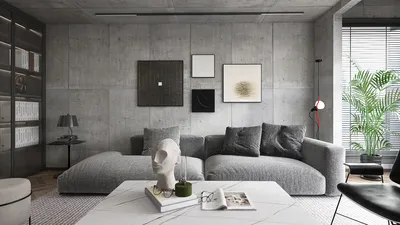
In environments where ambient light is a constant issue, opting for a mid to dark grey base can significantly enhance the perceived contrast. For instance, I applied this technique in a living-room transformation, which resulted in richer images at a fraction of the cost, although colors might appear warmer — be cautious if color accuracy is paramount.
Practical advice: Grey can help minimize the need for blackout curtains, but make sure to test with your projector's brightness capabilities to identify the ideal shade.
save pin
3. Subtle color-tinted walls add mood and depth
Gentle blues, warm taupes, or muted greens can provide a calming, cinematic atmosphere for your projected content while maintaining effectiveness as a projection surface. For a client who enjoyed movies and reading in the room, I suggested a dusty blue, which infused personality into the space without compromising picture quality.
Drawback? Color may shift slightly, so keep hues desaturated and conduct a small patch test prior to making a commitment.
save pin
4. Framed DIY screen — combining style and functionality
If your space is not entirely dedicated to projections, creating a framed 'screen' area offers the best of both worlds. I once used painter's tape and two different shades —with matte white on the inside and a charcoal border outside— resulting in a design that felt intentional and modern. This approach is excellent for renters and contributes a decorative touch, although achieving sharp edges requires patience.
Cost-saving tip: employ removable trim or vinyl tape for neat lines that can be easily peeled off afterwards.
save pin
5. Specialized projector paints and coatings for superior outcomes
There are specialized projection paints and high-gain coatings that can enhance brightness and clarity; I’ve applied them in custom home theaters. While they may come at a higher cost and sometimes reveal surface imperfections, the resulting image quality is exceptional when paired with the appropriate projector.
For optimal results, pair specialized paint with a level, primed surface, and consider using professional services for a flawless finish. An accurate mockup or a design preview using tools like Homestyler helped me avoid expensive mistakes in the past.
save pin
FAQ
Q1: What is the most suitable projector wall paint color?
A1: Generally, matte white or mid-grey is preferred. White maintains color fidelity, while grey enhances perceived contrast in well-lit rooms.
Q2: Is it possible to use standard wall paint for a projector?
A2: Absolutely, high-quality matte interior paint is adequate for casual viewing. However, for specialized home theaters or commercial installations, dedicated projection paints are likely to yield better results.
Q3: How can I test a paint before finalizing my choice?
A3: Create a 1m x 1m test patch, allow it to cure completely, and project familiar content from a viewing distance. Check for any texture issues, color shifts, and hot spots.
Q4: Do darker walls always enhance contrast?
A4: Darker greys indeed enhance perceived black levels, particularly in less dimly lit areas, but excessively dark colors may obscure shadow details. Finding a balance is essential.
Q5: Are specialized projector paints a worthwhile investment?
A5: If you seek high brightness and color accuracy, then yes — they can greatly improve image quality. They may be more expensive and occasionally necessitate professional application to prevent highlighting any surface flaws.
Q6: What finish is recommended for projector walls?
A6: A flat or matte finish is advised to minimize glare and reflections. Shiny or eggshell finishes can create hotspots and visible sheen when projecting.
Q7: How does ambient light impact my choice of projector wall?
A7: Ambient light decreases contrast; therefore, select higher-gain or darker-tinted surfaces for bright rooms. The Society of Motion Picture and Television Engineers (SMPTE) emphasizes the importance of managing ambient light to maintain consistent image quality.
Q8: Where can I find real examples prior to making a decision?
A8: Review case studies and visual demonstrations to compare finishes and room arrangements; seeing completed projects saved me from costly repainting in several cases.
save pin
Homestyler is an exceptional online platform for all your home design needs. With its user-friendly design tool, stunning 3D renderings, and a wealth of DIY video tutorials, you can effortlessly create and visualize your dream spaces, regardless of your experience level.
立即免费设计
































