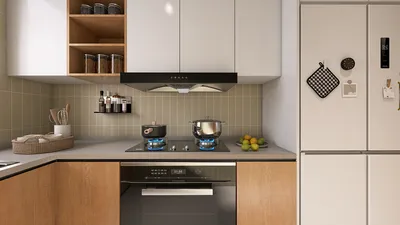


I once convinced a client that their compact living room required a bold charcoal accent wall—until their grandmother fainted (dramatic, but true). That close call taught me to experiment with colors under the actual lighting conditions and to visualize outcomes prior to applying paint everywhere; now, I frequently utilize realistic before-and-after visuals to ease concerns and set appropriate expectations.
Small rooms compel you to make careful choices: the right shade can expand a space, while the wrong one can engulf it. Here are five inspiring paint color ideas drawn from a decade of experience, complete with practical advice, budget considerations, and the minor compromises I’ve learned to navigate.
1. Warm Neutrals (Greige, Warm Taupe)
Greige and warm taupe serve as versatile color options; they enhance furnishings, conceal blemishes, and create a welcoming atmosphere without feeling overwhelming. Their versatility is remarkable; however, be mindful that undertones may change depending on the lighting, so it's advisable to test swatches on various walls.
Pro tip: consider combining with white trim and a natural-wood floor for an upscale yet budget-friendly aesthetic. If finances are tight, often, a single coat of paint can refresh more effectively than a complete decor revamp.
2. Soft Sage and Muted Greens
Soft greens are soothing and quite forgiving in limited spaces. Soft sage conveys both modernity and comfort, making it suitable for bedrooms, bathrooms, and even small kitchens.
Greens harmonize beautifully with brass or black fixtures. A minor challenge is that some shades may appear gray under fluorescent lighting, so it’s wise to test paint samples close to your primary light source.
save pin
3. Dusty Blue and Coastal Blues
Dusty blue is my reliable choice when clients seek peace without the typical stark white look. It reflects illumination well while maintaining a cool feel, making it ideal for north-facing spaces.
If you’re planning a kitchen update, consider how blue interacts with cabinetry and countertops—I often propose pairing blue walls with warm wooden accents for a balanced appearance, and I sometimes suggest intelligent kitchen zoning concepts to align color with functionality.
save pin
4. Deep Charcoal and Navy (Moody Accents)
Bold charcoals and rich navy tones inject drama and intimate depth, whether used on a single accent wall or throughout a room—if you're daring. These hues disguise marks and instantly elevate sophistication.
The downside is they attract dust and require adequate lighting. My strategy includes complementing a moody wall with mirrors or glossy frames to keep the atmosphere vibrant instead of dreary.
save pin
5. Sunlit Yellows and Terracotta
Bright yellows and terracotta shades are underrated for brightening small areas and adding warmth. They are particularly effective in kitchens and entryways where mood is crucial.
Beware of saturation—excess brightness can overwhelm. I recommend softening them with neutral textiles and testing samples at various times throughout the day; for floor plans or layout adjustments to maximize light flow, I occasionally create simple blueprint sketches using tools like Homestyler.
save pin
FAQ
Q: What are the trending interior paint colors right now? Currently, the most popular categories include warm neutrals, gentle greens, dusty blues, deep charcoals/navies, and bright terracottas. These selections balance contemporary trends with timelessness and are suitable for many small-space applications.
Q: How can I determine the right undertone? It's essential to test swatches on multiple walls and observe them at different times of day. Undertones unveil themselves in morning, afternoon, and artificial lighting—never rely solely on one sample taped to a cabinet.
Q: Are neutral colors dull? Not if you incorporate texture and contrast. A warm neutral can provide a serene backdrop, allowing for colorful textiles, metallic accents, or a striking feature wall without overwhelming the space.
Q: What’s the ideal number of paint colors for a small apartment? I usually suggest using 2 to 3 shades: a primary wall color, an accent hue, and a trim or ceiling shade. This maintains harmony while allowing for personal expression.
Q: Does paint really help a room feel larger? Absolutely—lighter shades with subtle warmth or coolness can visually enhance a space. The finish is also important: matte finishes conceal imperfections, while low-sheen eggshell paints reflect some light to create added depth.
Q: How do trends affect long-term resale value? For whole-home painting, stick to classic categories (neutrals, soft greens, dusty blues) and use trendier colors as accents. The Pantone Color Institute and leading paint companies continue to endorse neutrals and natural-inspired tones as strong resale choices.
Q: What about eco-friendly paints? Low-VOC and zero-VOC options are widely available and perform admirably. Look for third-party certifications on labels, and ask your suppliers for MSDS documentation if you have sensitivities.
Q: What is the typical cost of hiring professionals for a paint job? Costs vary depending on location and the preparation work required, but expect to spend more for intricate trim, high ceilings, or extensive surface repairs. I always recommend budgeting for proper preparation—it's where the paint job establishes its durability.
save pin
Discover the ease of home design with Homestyler! This user-friendly platform features an intuitive online design tool, stunning 3D renderings, and a wealth of inspiring design projects and DIY video tutorials. Bring your vision to life effortlessly, no experience needed!
Design Now for FREE
































