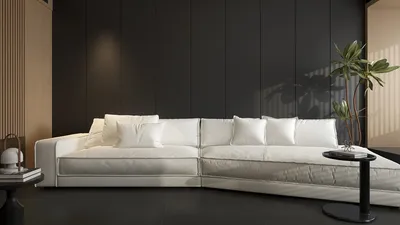


Not long ago, I accepted a unique barter with a client: I would repaint their tiny shoebox apartment in exchange for some homemade dumplings. There’s a longer story there, but it lead to a significant realization: the selection of paint is crucial, particularly in compact spaces, where the wrong sheen can alter the effect dramatically. Conducting tests using digital mockups proved to be incredibly beneficial. For instance, I created a miniature model of my kitchen within the Homestyler platform to visualize how various colors would appear under different lighting conditions and alongside the cabinetry.
1. Opt for Behr Premium Plus for depth without overwhelming glare
This particular paint works beautifully in rooms that require a sense of depth without excessive shine. Its rich color opacity effectively conceals minor imperfections, providing a seamless finish that enhances the visual appeal in smaller rooms.
Advantages: excellent coverage and very forgiving on surface flaws. However, a typical challenge arises with very dark shades, which can sometimes make a micro-apartment feel even smaller unless you pair them with some reflective accents.
save pin
2. Choose satin or eggshell for busy areas
For spaces like hallways or snug kitchen corners, I always recommend satin or eggshell finishes from Behr Premium Plus. They are easy to clean yet maintain a soft touch. During one particular project, my client insisted on a matte finish everywhere; however, after just a couple of scuffs, we settled on satin for the lower parts of the walls, which provided a practical compromise.
Budget-friendly tip: painting only the lower half or adding an accent stripe with a more washable sheen not only conserves resources but also creates a tidy appearance.
save pin
3. Experiment with colors using quick 3D renderings
I firmly believe in the importance of color testing. Before making any final decisions, I often replicate my color palette within Homestyler to ensure that the interplay of light, cabinetry, and flooring works harmoniously. In one instance, a small apartment I redesigned appeared entirely different after I rendered the sample against wooden cabinets in a lifelike scenario.
Benefits include avoiding expensive repainting; the only downside is that renders demand some setup time, but the time saved from potential rework is definitely worth it.
save pin
4. Combine neutral tones with a single bold accent
Behr Premium Plus offers a variety of neutral shades that work wonderfully alongside a vibrant accent wall or a painted door. I once applied a subdued greige throughout and a striking deep teal in a tiny alcove, which ultimately became the focal point of the entire apartment without feeling overbearing.
Practical note: make sure to test paint swatches at both night and day; the change in light can quickly influence the warmth of the colors.
save pin
5. Enhance paint decisions with smart lighting and color tools
Color is merely part of the whole picture; lighting completes the experience. I always strategize on fixtures and bulb temperatures in tandem with paint choices. Recently, I’ve paired manual sampling with AI color planning tools to streamline iterations, especially useful within tight budgets.
Advantages include quicker decision-making and fewer samples needed. The only caveat is that AI tools might suggest fashionable combinations that aren’t always practical with existing furniture, so I always double-check with a physical swatch.
save pin
FAQ
Q1: Is Behr Premium Plus suitable for small spaces?
I frequently recommend it for compact areas because it provides excellent coverage and a consistent finish that makes small rooms feel more sophisticated. Just remember to pair it with the appropriate sheen and lighting for optimal results.
Q2: Which sheen works best in busy little kitchens?
My preferred selections are satin or eggshell: they are washable yet do not appear overly glossy, maintaining a mature and manageable aesthetic.
Q3: How many coats will I typically need?
With Behr Premium Plus, most colors usually require one to two coats; bold or significant dark-to-light shifts typically need two. Utilizing primer can minimize the number of coats needed, especially if the underlying surface is uneven.
Q4: Does Behr Premium Plus have low VOC options?
Behr does offer low-VOC formulations for many of its interior paints, so it’s best to check the product label or technical data sheet for specific VOC levels of the formula you select. For further information, visit Behr’s product site.
Q5: How long should I wait before moving furniture back?
Typically, it's dry to the touch within an hour, depending on the humidity. However, I advise waiting 24 hours before heavy usage and allowing around 7 days for complete curing in small, humid environments.
Q6: Is a primer necessary with Behr Premium Plus?
This largely depends on the situation — for new drywall or significant color transitions, using a primer is beneficial. If you’re simply repainting in similar tones on a suitable surface, the paint’s built-in primer feature can save time.
Q7: Can I use Behr Premium Plus on cabinets?
It’s applicable for some cabinetry, but for enhanced durability, I generally prefer specific cabinet paints or a robust topcoat; proper sanding and adhesion are crucial.
Q8: Any practical advice for testing colors?
Always paint a 2x2-foot swatch directly on the wall and observe it at different times during the day. I also like to place a small mirror nearby to see how the color reacts with light.
save pin
Homestyler's roots trace back to Autodesk, the global leader in design and engineering software. That heritage lives on in every feature we build. Today, with a community of more than 18 million users worldwide, Homestyler continues to make professional-quality interior design accessible to everyone — from first-time decorators to seasoned architects.
Discover the magic of home design with Homestyler! This user-friendly platform offers an intuitive online design tool, stunning 3D renderings, and a wealth of design projects. Plus, you can learn with DIY video tutorials. Transform your space effortlessly and inspire your creativity today!
تصميم الآن مجانا
































