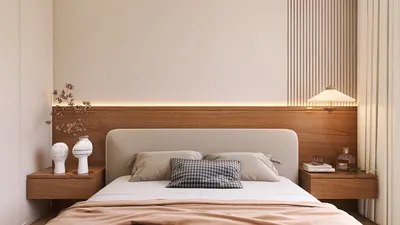


Throughout my ten years in home design, I've observed that lighting trends can dramatically influence the atmosphere of a space, particularly in the living room area. Currently, layered lighting, sculptural fixtures, and eco-friendly materials are at the forefront of design. I often emphasize that minor adjustments can yield significant transformations, especially when it comes to selecting the perfect lamp. Today, I’m excited to present 10 lamp suggestions for your living room, incorporating my experiences and insights from industry experts, ensuring that your lighting is both practical and aesthetically pleasing, aided by tools like Homestyler.
1. Minimalist Floor Lamps for Clean Lines
In my first apartment, I positioned a slender black arc floor lamp as the focal point, managing to do so without overwhelming the space. Its subtle presence was both understated and impactful.
Advantages: Ideal for modern living room aesthetics, these lamps enhance a sense of spaciousness. According to Architectural Digest, minimalist designs contribute to a clean visual landscape.
Drawbacks: May appear too stark in areas leaning towards cozy or eclectic decor.
Advice: Position one behind your sofa to craft an inviting reading nook whilst maintaining an open floor plan — a minimalist living room layout with tools like Homestyler can illustrate this beautifully.
2. Statement Pendant Lamps
In a beach-style living room, I opted for an oversized rattan pendant that immediately drew attention upward, accentuating the ceiling's height.
Advantages: Great for establishing a focal point; blends well with both contemporary and bohemian designs. It adds depth through layered lighting levels.
Drawbacks: Requires thoughtful ceiling installation; may not suit rooms with low ceilings.
Advice: Opt for dimmable bulbs to adjust the ambiance throughout the day.
3. Adjustable Arm Wall Lamps
For a compact loft, I selected a brass swing-arm wall lamp instead of a traditional side table lamp, effectively saving space while maintaining a chic appearance.
Advantages: Perfect for flexible task lighting while keeping table surfaces clutter-free. A stylish solution for small living areas.
Drawbacks: Installation could pose challenges if pre-existing wiring is absent.
Advice: Hardwired models offer a seamless look, while plug-in versions provide convenience for renters.
4. Glass Globe Table Lamps
Frosted glass globes in a recent mid-century-inspired living area provided a gentle light that was perfect for movie nights.
Advantages: They distribute light evenly, minimizing glare. They coordinate beautifully with minimalist and Scandinavian decor.
Drawbacks: Glass can be delicate, particularly in homes with children or pets.
5. Arc Floor Lamps
I featured a chrome arc lamp over a circular coffee table, creating a cozy atmosphere without obstructing sight lines.
Advantages: Provides overhead lighting without necessitating ceiling fixtures, making them great for open layouts.
Drawbacks: Requires more floor space; a sturdier base may be needed for stability.
Advice: Works well in L-shaped seating arrangements to harmonize light distribution.
6. Tripod Floor Lamps
In a Scandinavian-themed space, I championed a wooden tripod base lamp that introduced height and added a textural element.
Advantages: Resilient, sculptural, and adaptable. It provides vertical balance in areas with lower furniture.
Drawbacks: The larger base might overwhelm smaller spaces.
7. LED Strip Cove Lighting
I’ve installed LED strips in cove ceilings to produce a soft, even light wash on the walls — my clients consistently remark on how warm and inviting it feels.
Advantages: Eco-friendly and highly customizable in terms of brightness and color temperature. This method is endorsed by the IES (Illuminating Engineering Society) for effective light layering.
Drawbacks: Ceiling modifications are necessary; may complicate installations for renters.
8. Colorful Ceramic Base Lamps
Once, I discovered a vibrant teal ceramic lamp at a flea market; its vivid color quickly became a conversation starter.
Advantages: Adds character and can tie together an accent color scheme.
Drawbacks: Bold colors may restrict future design choices.
9. Tall Buffet Lamps on Console Tables
Arranging a pair of slender buffet lamps on a console behind the sofa creates an elegant layer of ambient lighting.
Advantages: Sophisticated and symmetry-friendly. Works beautifully in traditional or transitional designs.
Drawbacks: The narrow shades offer gentle rather than intense task lighting.
10. Smart Lamps with App Control
A client who enjoys hosting friends swears by her app-controlled lamps; she can quickly alter brightness and color to set the mood.
Advantages: Extremely versatile and energy-efficient, suitable for multifunctional living areas.
Drawbacks: May be pricier; some prefer not to depend on technology for basic functions.
Advice: These look fantastic alongside curated spaces enriched with warm wood accents to foster a cozy yet contemporary vibe.
Conclusion
The ideal lighting fixture in your living room transcends functionality; it adds texture, mood, and practicality. As highlighted by the American Lighting Association, effective lighting can transform the dimensions and perception of a room. Minor adjustments, especially in smaller spaces, can yield substantial results. Which of these inspirational lamp concepts do you envision illuminating your home, perhaps with the help of Homestyler?
FAQ
1. What lamp style is optimal for a compact living room? Slim profile floor lamps or wall-mounted swing arms can save space while enhancing style.
2. Are LED lamps suitable for living rooms? Absolutely, as they are energy-efficient and adaptable, allowing for mood-altering color temperatures.
3. How many lamps should I incorporate into my living room? Ideally, three to five light sources will establish a balanced, layered lighting scheme, as per recommendations from the American Lighting Association.
4. What differentiates ambient, task, and accent lighting? Ambient lighting serves as the overarching illumination, task lighting focuses on specific activities, and accent lighting highlights decorative features.
5. Is it possible to mix lamp styles in a single area? Certainly; integrating various designs can enhance personality and depth as long as they share a unifying element like color or material.
6. Which bulb type should I opt for? Warm white LED bulbs (2700K–3000K) foster cozy atmospheres, while cooler tones (4000K+) are better suited to task-oriented settings.
7. What height should a table lamp be? Generally, a lamp's shade bottom should align with eye level when seated, roughly measuring 24–30 inches in total height.
8. How do I use lamps to accentuate artwork? Employ adjustable accent lamps or picture lights aimed at the art piece to achieve gallery-like effects, reminiscent of professional design renderings.
Looking to transform your home? Try Homestyler! This user-friendly online design platform offers a fantastic design tool, stunning 3D renderings, and a wealth of design projects and DIY video tutorials. It's perfect for bringing your creative ideas to life, no matter your experience level!
Design Now for FREE
































