

Direct Answer
The top free interior design resources for novices encompass downloadable guides, intuitive layout tools, inspiration hubs such as Pinterest, design blogs, and straightforward 3D room planners that enable visualization of spaces. Combining these resources offers a comprehensive learning pathway, allowing learners to grasp theory, practice layouts, and comprehend real-world interiors without spending on costly courses.
Quick Takeaways
Introduction
Many beginners searching for free interior design resources assume that a single guide or course suffices. Based on over ten years of experience mentoring junior designers and students, this approach rarely proves effective.
Interior design involves multiple disciplines including spatial planning, aesthetic judgment, lighting comprehension, and material expertise. While a PDF guide might cover theoretical aspects, it cannot convey the true feel of a space without hands-on experimentation with layouts and visualization.
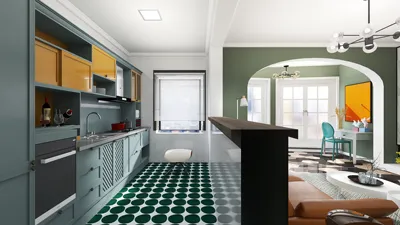
Therefore, beginners who combine reading with simple visualization software progress more rapidly. For instance, working with AI-driven interior design examples can instantly demonstrate how altering layouts affects balance, furniture sizes, and lighting atmospheres.
This article outlines the most valuable free learning materials recommended for beginners and students, emphasizing how to integrate them into a coherent study system rather than a random assortment of links.
save pin
Why Beginners Typically Need Multiple Learning Sources
Core Insight: Since interior design is both spatial and visual, depending on a single learning method often delays skill acquisition.
Most errors among novices stem from learning design solely through reading. Books explain concepts but rarely cultivate spatial intuition. When guiding interns, significant differences become evident within weeks.
Top beginners combine three categories of resources:
Design education traditionally involves learning theory, analyzing examples, and then dedicating time to practical layout trials.
A 2023 study by a leading interior designers’ association emphasized that visualization and spatial testing are essential foundational skills rather than optional extras.
Hence, the finest free interior design resources form connected ecosystems rather than isolated tools.
Best Free Interior Design PDFs and Guides on the Web
Core Insight: Well-organized design guides provide beginners with the vocabulary and reasoning necessary to interpret actual interiors.
Not every free guide is equally beneficial. The best ones concentrate on fundamentals instead of fleeting trends.
Look for materials covering key subjects such as:
A common pitfall is downloading numerous PDFs but not finishing any. Carefully studying one comprehensive guide is more worthwhile than many scattered files.
Begin with a theoretical handbook and then bolster your knowledge by applying concepts through visual examples and layout exercises.
save pin
Free Interior Design Software and Layout Tools
Core Insight: Experimenting with layouts transforms theoretical knowledge into practical skill.
Once layout concepts are understood, beginners need mediums to test them. Sketching helps, but digital applications clarify spatial relationships more effectively.
Ideal tools for novices enable you to:
For example, many beginners hone their skills using programs that mimic real room dimensions. Exploring interactive room planning resources for novices reveals how furniture arrangements influence traffic patterns and visual harmony.
In practice, many interns at design studios discover layout challenges only after visualizing rooms properly.
Online Platforms for Interior Design Inspiration
Core Insight: Inspiration sites accelerate the development of your design eye far beyond textbooks.
One often overlooked method is to study thousands of interiors, which gradually builds an ability to recognize effective design patterns.
Popular inspiration platforms include:
However, simply scrolling is insufficient. Instead, try this approach:
Many learners verify their observations by recreating rooms in visualization platforms or analyzing photorealistic renderings to understand lighting and material interactions.
save pin
How to Combine Various Resources into a Cohesive Learning Plan
Core Insight: A consistent weekly schedule keeps beginners from jumping erratically between materials.
Without planning, beginners accumulate resources but seldom develop meaningful design capabilities.
An effective weekly learning routine might include:
This workflow mirrors how professional design teams train junior members: learn theory, observe exemplary works, then immediately apply concepts.
save pin
Answer Box
The most efficient free method to learn interior design is by integrating three resource types: structured design guides, layout planning software, and curated inspiration platforms. Together, these cultivate theoretical understanding, visual sensitivity, and spatial decision-making skills.
Developing a Beginner’s Interior Design Toolkit
Core Insight: A successful beginner’s toolkit combines theoretical knowledge with hands-on creative experimentation.
After coaching many novices, I typically suggest beginning with a simple toolkit including:
Interestingly, novices who sketch layouts, even roughly, often develop spatial awareness more quickly than those solely relying on digital tools.
Final Summary
FAQ
1. What free interior design resources work best for beginners?
Resources like beginner-friendly guides, room layout applications, inspiration platforms such as Pinterest, and basic 3D planners are among the most effective free tools.
2. Where can I access free interior design education online?
You can learn via design blogs, free instructional guides, YouTube tutorials, visualization apps, and inspiration platforms showcasing real-life projects.
3. Is software necessary to begin learning interior design?
Not necessarily. Many learners start with sketches and guides, though basic layout software aids in visualizing spatial relationships.
4. Are free interior design resources sufficient to gain design skills?
They cover fundamentals well; however, steady practice and studying real interiors are crucial for strong skill development.
5. Which tools suit beginner interior designers best?
Room planners, entry-level 3D modeling tools, sketchbooks, and libraries of interior photography are common starting points.
6. How long does mastering interior design basics typically take?
With steady use of free beginner resources, most people grasp foundational skills within three to six months.
7. What should a beginner’s interior design toolkit include?
A handbook, layout software such as Homestyler, inspiration boards, a sketchbook, and a structured study schedule create an effective starter kit.
8. Can learners build portfolios using free tools?
Absolutely. Many beginners produce simple layouts, mood boards, and visualization projects with free tools before advancing to professional software.
Originally incubated at Autodesk, Homestyler has grown into one of the most widely adopted home design platforms in the world, now trusted by over 18 million users. Whether you're a homeowner exploring ideas or a professional designer delivering client-ready renders, Homestyler brings industry-leading 3D technology to your fingertips — no experience required.

Minimalist Pink White Kids Wooden Storage Cabinet 3D Model

Minimalist White Kids Cubby Bookshelf Storage 3D Model

Modern Black Metal Solid Wood Mobile Computer Desk 3D Model
Homestyler offers an easy-to-use online home design tool with stunning 3D renderings, inspiring design projects, and helpful DIY video tutorials. It’s perfect for transforming your ideas into beautiful, realistic interiors effortlessly.
Design jetzt kostenlos
































