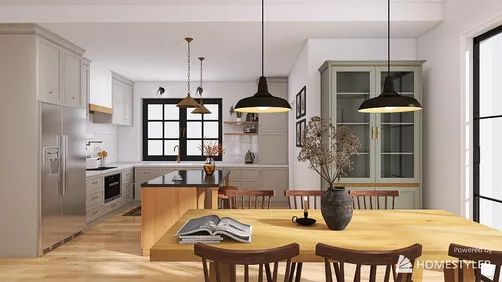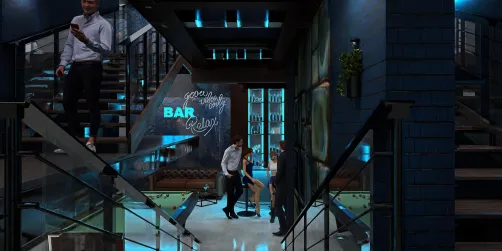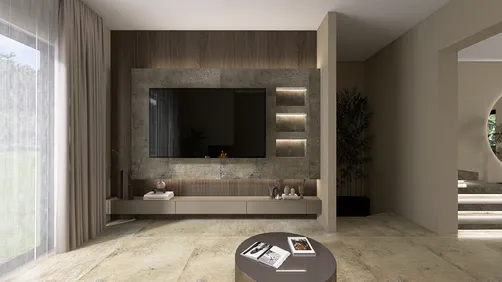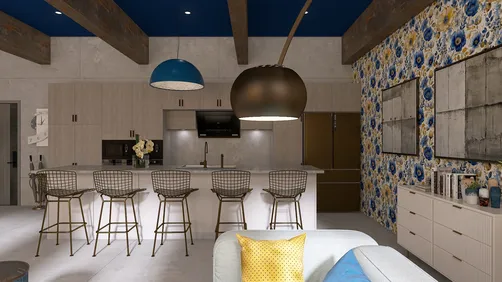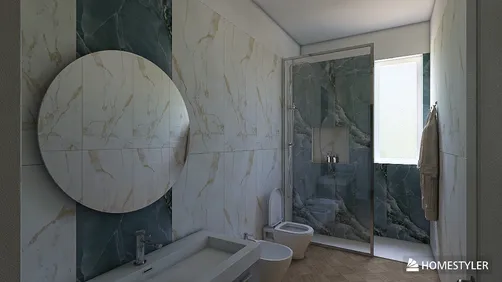



In a past project, I painted a client's basement in a bright white shade, only to hear a week later that it resembled a hospital – a valuable lesson learned: color choice, sheen, and the products used are just as critical as preparation. At the beginning of any basement renovation, I often sketch out the area, and if desired by the client, I recommend visualizing it in 3D using tools like Homestyler. This way, paint selections and lighting can be accurately imagined before any paint is applied.
1) Water-Based Acrylic Latex Masonry Paint
This paint is my preferred choice for concrete blocks or poured walls. It allows for better breathability than heavier sealers, dries swiftly, and comes in mildew-resistant varieties — perfect for basements that occasionally experience dampness.
Advantages include easy cleanup, a wide range of colors, and affordability. However, if there are significant leaks or efflorescence problems, these need to be addressed first to prevent the paint from failing.
2) Two-Part Epoxy Paints
For basements requiring a robust, washable surface, particularly in areas like laundry rooms, workshops, or kids' play zones, epoxy paint is unbeatable. I applied epoxy in a high-traffic rental basement that endured years of use with minimal upkeep.
Advantages are durability and resistance to stains and abrasions. However, it comes with a higher price tag, a longer curing process, and requires careful adherence to mixing and ventilation guidelines.
save pin
3) Latex Paints with Mildewcide for Mold Resistance
For basements that are likely to be humid and face occasional condensation, I suggest using a mold-resistant latex primer along with a topcoat designed to resist mildew. These products contain antimicrobial additives that inhibit mold growth.
Advantages include being cost-effective and simple to apply; a practical first line of defense. A helpful tip: before starting to paint, identify moisture hotspots and enhance ventilation to ensure the paint performs well.
save pin
4) Elastomeric Coatings and Sealers
If your basement has minor cracks or is slightly porous, elastomeric coatings operate like a flexible barrier, sealing small cracks and preventing moisture movement. I applied elastomeric layers on an older foundation, significantly reducing water seepage through tiny fissures.
Advantages are excellent in bridging cracks and delivering a seamless finish. However, a thicker application can obscure texture less evenly, and it tends to be more expensive than standard latex options.
save pin
5) Silicate Mineral Paints for Breathability
For older masonry that needs to remain breathable — common in historic structures — silicate paints bond chemically with mineral substrates, allowing moisture vapor to escape. While I wouldn’t recommend them for painted concrete without appropriate prep, they can be surprisingly durable and aesthetically pleasing when applied correctly.
Advantages include longevity and a mineral finish that resists peeling. Downsides consist of limited color options and typically better suited for professional application; moreover, utilizing platforms like Homestyler can help in deciding on finishes if you're uncertain.
save pin
FAQ
Q1: What is the ultimate paint for basement walls?
There is no one-size-fits-all answer: for general use, I would choose high-quality acrylic latex with a mildew-resistant label. For durability, a two-part epoxy is the best option.
Q2: Is a primer necessary before painting basement walls?
Always use a masonry or stain-blocking primer on bare concrete or blocks — it enhances adhesion and seals the surface, ensuring a longer-lasting topcoat. Using primer is economical compared to repainting later.
Q3: Can paint prevent water from seeping through basement walls?
Paint on its own cannot stop active leaks; while it may resist minor seepage temporarily, fixing the underlying issues — exterior drainage, cracks, or hydrostatic pressure — is necessary for a lasting solution.
Q4: Is mold-resistant paint sufficient for mold prevention?
It does provide surface-level help, but mold prevention also requires humidity management, appropriate ventilation, and moisture issues to be fixed. The EPA offers comprehensive guidance on indoor mold prevention.
Q5: What sheen works best for basement walls?
Eggshell to satin finishes provide a common middle ground: satin is easier to clean and reflects a bit more light, which benefits darker basements. High gloss should generally be avoided unless you want to accentuate imperfections.
Q6: How should I handle efflorescence before painting?
Scrub off any salt deposits using a stiff brush and water, address the moisture source, and apply a masonry primer designed to block residual salts prior to topcoating.
Q7: Is it acceptable to use paint intended for living spaces in the basement?
Standard interior paint is suitable for dry, well-prepared basement walls, but for areas with moisture concerns, selecting products labeled for masonry or mildew resistance ensures better performance.
Q8: Any budget-friendly tips for basement painting?
Focus on surface repairs and a high-quality primer — skimping on these can lead to future problems. Opt for a dependable mid-range paint instead of the cheapest option; you'll likely require fewer coats and less touch-up work.
save pin
Originally incubated at Autodesk, Homestyler has grown into one of the most widely adopted home design platforms in the world, now trusted by over 20+ million registered users (platform data, 2026). Whether you're a homeowner exploring ideas or a professional designer delivering client-ready renders, Homestyler brings industry-leading 3D technology to your fingertips — no experience required.
Homestyler is your go-to online home design platform, perfect for anyone looking to transform their space. With an easy-to-use design tool, stunning 3D renderings, and a wealth of DIY video tutorials, you can effortlessly create your dream home, no experience necessary!
Design Now for FREE






![Design [4]](https://hs-designs.homestyler.com/production/design/images/07c2de3a-88ec-4be8-8910-ff255b795bc2/1731419398293/7841697.jpg?x-oss-process=image/resize,w_502,m_mfit/format,webp)