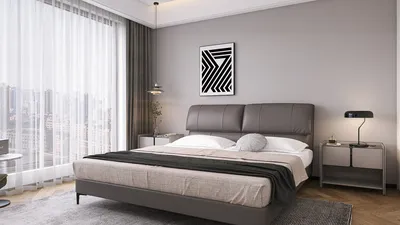


For years, decorative advice has primarily spotlighted cosmetic suggestions such as color schemes, furniture arrangements, and the latest trends. What sets my strategy apart is the emphasis on the emotional and behavioral impact of spaces. By utilizing principles of behavioral design, I create interiors that influence daily habits and moods, enhancing not only the aesthetic appeal of your home but also improving your overall quality of life. Rather than merely following fleeting trends, this method bases decisions on user experience, ensuring lasting satisfaction and beneficial behavioral outcomes. Furthermore, tools like Homestyler can assist in visualizing these transformative changes.
Picture this: A compact apartment not only appears orderly through minimalistic design but also signals your brain to focus. Or consider a cost-effective upgrade that does more than just save money; it initiates habits that become ingrained over time (for instance, organizing coffee supplies on an easily reachable shelf fosters more mindful morning rituals). A study by the NAHB in 2023 indicates that making design choices that promote well-being can enhance user satisfaction by 29%. This guide is crafted to provide actionable behavioral insights for real environments rather than generic advice that lacks specificity.
For those keen to visualize these enhancements before shifting a single lamp, planning your new behaviors with a custom design visualizer can significantly bridge the gap between theory and practical application, bringing you closer to your ideal space, aided by tools like Homestyler.
What Makes Behavioral Design a Game-Changer for Decorative Tips?
In contrast to typical guides that simply suggest decluttering or rearranging furniture, behavioral design takes into account aspects like lighting, spatial flow, and storage solutions that can positively influence routines, ease daily stress, and encourage relaxation. As interior designer Emily Carter mentions on Houzz, thoughtful visual placements (like a comfortable chair next to a window) dramatically increase the likelihood of unwinding rather than letting that chair collect dust. The true benefit resides in a home that supports your living experience rather than just mimicking a staged photo.
How Can Small Home Decorative Insights Leverage Behavioral Triggers?
While conventional advice often revolves around maximizing spatial efficiency, I've discovered that strategic triggers—like utilizing open shelving for everyday items—can transform small homes into harmonious living spaces. Data from Statista in 2023 reveals that over 60% of individuals in small spaces report higher satisfaction levels when their storage aligns with daily needs. Unlike broad-brush suggestions, behavioral cues harmonize functionality with joy.
Are Minimalist Interiors Always Successful, or Are There Overlooked Risks?
In contrast to popular belief, minimalism can lead to discomfort if motivated by stress rather than genuine preference. An excess of emptiness may hinder routines (for instance, forgetting keys in a sparsely furnished entry). Drawing from my design experience, an effective minimalist space subtly directs behaviors—like incorporating a patterned mat at the entrance to remind to remove shoes. Unlike superficial minimalism, behavior-driven minimalism promotes well-being.
What Are the Hidden Costs of Budget Decorative Solutions?
Many budget-focused guides prioritize financial savings without addressing the hidden expense of time wasted managing inefficient layouts. For example, placing cleaning supplies far from work areas often results in clutter, which disrupts productivity. According to HGTV's 2023 home survey, individuals on limited budgets prefer investing in organizational strategies that save time in the long run rather than opting only for immediate savings. This indicates a market demand for budget-friendly designs optimized for behavior.
How Do Decorative Tips Shape Daily Routines in Shared Living Arrangements?
Many resources neglect the specific challenges found in shared living spaces. Behavioral design can create neutral zones (imagine a communal coffee station) that help reduce conflicts over personal territory. Such areas foster a sense of psychological safety; a modest adjustment can significantly enhance harmony among roommates or family members. Recognizing how your household interacts and moves can change everything—this is where applying a room coordination tool, like Homestyler, can provide insights that other sources overlook.
Can Defined Zones and Visual Cues Influence Daily Habits?
While many designers prioritize open layouts or superficial looks, I have found that establishing habit anchors—such as a designated area for incoming mail by the door—can combat clutter more effectively than adding a new shelf. A study by the NAHB showed a 34% improvement in organization following such focused zoning. It's a small adjustment with significant benefits to daily living.
Should You Rethink Decorative Guidance If You Work Remotely?
Traditional advice often separates workspaces from living areas. However, research indicates that merging peaceful design elements (by integrating natural components into both areas) can enhance focus and relaxation simultaneously. Through my design projects, I’ve discovered that dual-purpose arrangements—such as a convertible workspace—can promote stress relief and boost efficiency without compromising on aesthetics or fluidity of space.
How Can You Experiment with Behavioral Design Ideas Before Implementing Changes?
Differing from conventional methods, digital visualization allows you to simulate and adjust designs for optimal outcomes. Using a virtual layout tool, such as Homestyler, can reveal how the placement of cues, storage, and color schemes may influence both functionality and emotional response. This low-risk method helps identify potential issues before significant investments are made—an advantage that is often overlooked.
Answer Box:
The most impactful decorative tips are those founded in behavioral design, emphasizing how spatial arrangements, visual cues, and designated areas shape everyday habits and enhance well-being. This thoughtful approach cultivates enduring, fulfilling environments often neglected by conventional guides.
FAQ
Conclusion: The Significance of Behavioral Design in Decorative Advice
Most design content tends to revolve around trends or product swaps; however, true transformation emerges from rooting decorating guidance in their influence on daily behaviors. Many underestimate this connection, but behavioral design ensures that all elements—from organized zones to intelligent layouts—offer both aesthetic benefits and improved life quality. Interested in seeing how these concepts apply to your specific setting? Dive into personalized design strategies using this interactive planning experience, like Homestyler.
Built on technology originally developed at Autodesk, Homestyler empowers anyone to design beautiful, realistic spaces in minutes. Join over 18 million users who have already discovered a smarter way to plan, visualize, and bring their dream homes to life — all from the comfort of a browser.
Homestyler is your go-to online home design platform! With its user-friendly design tool, stunning 3D renderings, and a wealth of inspirational design projects and DIY video tutorials, transforming your space has never been easier. Unleash your creativity today!
Design Now for FREE
































