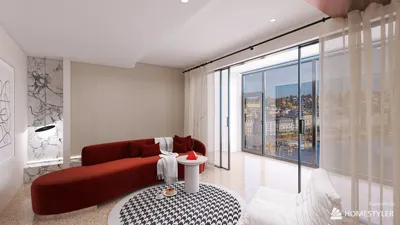


There was a time when I nearly installed shiny white shutters in a client's compact bathroom without considering ventilation—what a blunder! The paint bubbled, leading us to redo the entire installation. While I can laugh about it now, that incident emphasized the importance of looking beyond aesthetics: shutters must effectively manage moisture, privacy, and light. In the realm of small-space design, shutters can serve as the unsung heroes rather than just an afterthought.
I firmly believe that small spaces can ignite immense creativity. In this article, I will discuss five effective ideas for bathroom window shutters that I've implemented in actual projects. I will outline the reasons each design choice works, the pros and cons, and provide quick budgeting or installation tips to help you avoid making the same mistakes I once did.
1. Classic Plantation Shutters — Timeless and Adjustable
My preferred choice for clients desiring a classic aesthetic with versatile light management is plantation shutters featuring wide louvers. They can be easily tilted to control light and ensure privacy, while their solid frames provide a tidy, built-in look.
Although they can be on the pricier side and require moisture-resistant finishes for bathroom use, plantation shutters, when selected within a mid-range budget, are durable and photograph beautifully. I've utilized them in three remodeling projects, resulting in satisfied clientele.
save pin
2. Faux-Wood Shutters — Moisture-Resistant and Cost-Friendly
When natural wood could succumb to humidity (think steamy showers), faux-wood shutters provide a similar appearance without warping. They are resistant to moisture, easy to clean, and are often available in ready-to-install kits, making them perfect for tight budgets.
While they may lack the visual warmth of genuine wood, I found a solution to this by pairing faux shutters with warm-toned hardware, creating a more inviting ambiance.
save pin
3. Top-Down/Bottom-Up Shutters — Privacy without Sacrificing Light
Top-down/bottom-up configurations provide the flexibility to lower the top portion for natural light while keeping the bottom closed for privacy—this adds a touch of luxury to street-level bathrooms. These options are fantastic for enjoying morning sunlight while ensuring evening seclusion.
Because the measurements and fitting can be a bit intricate, I typically recommend clients engage a professional for template measuring. For those keen on visualizing their choices, utilizing 3D tools like Homestyler has proven effective in helping clients make swift decisions on shutter designs.
save pin
4. Café-Style Shutters — Charming and Focused Privacy
Café shutters, which cover only the lower section of the window, allow natural light to flood in while obstructing external views. They're ideal for tub-side installations where you seek ambiance without exposing yourself. I once persuaded a hesitant couple to try café shutters, and they ended up loving the cozy vibe.
While they may not be suitable if complete blackout is necessary, combining them with a simple roller shade can resolve that issue without compromising charm.
save pin
5. Slimline or Custom Composite Shutters — Modern and Space-Saving
For exceedingly narrow windows or recessed sills, slimline shutters or custom composites are perfect in spaces where bulky frames just won't fit. They exude modern aesthetics while keeping sightlines clear—ideal for minimalist bathrooms or snug alcoves.
Custom options come at a higher cost and require precise measurements, so it’s wise to factor in a small contingency within your budget. If you're undergoing a full renovation, think about synchronizing the shutters with other bathroom elements for a beautifully tailored look.
save pin
FAQ
Q1: Are shutters suitable for humid bathrooms?
A1: Yes—opt for faux-wood or moisture-rated composites with sealed finishes. Steer clear of untreated wood that might warp from constant steam exposure.
Q2: Do shutters provide enough privacy for ground-floor bathrooms?
A2: Absolutely—options such as top-down/bottom-up or café shutters offer privacy while still allowing in daylight. Pair them with frosted glass for additional concealment.
Q3: How much should I budget for bathroom shutters?
A3: Basic faux-wood options can be affordable, mid-range plantation shutters are pricier, while custom designs will be the most expensive. Don’t forget to add 10–15% for installation and measurements.
Q4: Can I install shutters myself?
A4: If you're handy and the window is standard-sized, DIY kits are available. However, for custom sizes or challenging moisture-prone installations, I suggest hiring a professional to ensure everything fits securely.
Q5: How do shutters impact ventilation?
A5: Shutters don’t obstruct airflow when the louvers are opened; for optimal air circulation, pair them with an exhaust fan. Adequate ventilation helps prevent mold and protects finishes.
Q6: What maintenance do bathroom shutters need?
A6: Regular dusting and an occasional gentle wipe with a mild cleaner will keep your shutters looking fresh; avoid soaking wooden components. Faux materials offer the easiest maintenance solution.
Q7: Are there accessibility considerations for shutter controls?
A7: Yes—select tilt rods that are easy to reach or consider motorized options for those with limited mobility. Motorized shutters may increase costs but offer added convenience and safety.
Q8: Where can I find guidance on window ventilation and indoor air quality?
A8: The U.S. Environmental Protection Agency provides authoritative resources on indoor air quality and ventilation: https://www.epa.gov/indoor-air-quality-iaq. Their guidelines assist in balancing shutters, exhaust fans, and natural ventilation for healthier living spaces.
save pin
Discover the ease of home design with Homestyler! This user-friendly platform offers a powerful online design tool, stunning 3D renderings, a wealth of design projects, and helpful DIY video tutorials. Transform your space and unleash your creativity effortlessly!
تصميم الآن مجانا
































