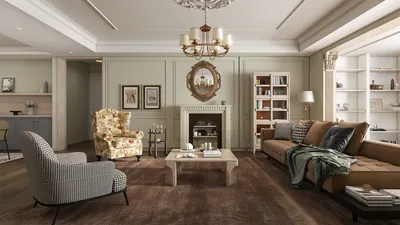


One time, I mistakenly installed a glass shelf the wrong way up, which startled both a client and myself at 7 a.m.—a lesson learned! Following that mishap, I discovered that a beautiful bathroom shelf must combine aesthetics with practical engineering. I often draft wild designs and then visualize them through 3D rendering before making a final decision. Working with compact bathrooms inspires my creativity, and in this article, I will share five common strategies that I frequently employ.
1. Recessed niche shelves with layered texture
I enjoy creating a shallow niche in the wall and adding staggered shelves—whether made of stone or wood, complemented by matte tiles. This design saves floor space while giving a built-in appearance. However, it requires a professional for proper waterproofing, which can increase costs. A tip: use contrasting grout or a slim LED strip to highlight depth without creating clutter.
save pin
2. Floating shelves in mixed materials
Floating shelves bring a contemporary and airy feel; pairing metal brackets with reclaimed wood or solid surface tops ensures durability. They are cost-effective and easy to replace, but remember that heavier items need secure anchors. Once, I used a slender metal L-bracket hidden beneath a walnut plank, achieving an elegant yet surprisingly robust shelf.
save pin
3. Corner tiered shelving for tight spots
Corners often go underutilized—installing a triangular tiered shelf can fit neatly above a bathtub or behind a door. It’s a discreet method to introduce greenery or showcase jars without overwhelming the space. In wet areas, I adhere to smart spacing and drainage principles, ensuring compliance with local bathroom regulations. Many of these design ideas clarified layout rules for my past projects.
save pin
4. Mirror-integrated shelves with task lighting
Mirrored cabinets with an open shelf underneath combine functionality with aesthetics, providing quick access for those busy in the morning. Lighting accentuates toiletries but be careful of clutter reflections. I suggest a shallow shelf depth (6–8 cm) to maintain mirror usability and mitigate fogging issues.
save pin
5. Modular cube systems for playful display
Modular cube systems offer versatile display options: closed cubes can conceal essentials while open cubes showcase decorations. They are perfect for those who enjoy seasonal updates to their styles; however, the challenge lies in selecting the correct fixings for bathroom humidity. For a modern twist, I sometimes use the Homestyler app to experiment with layouts virtually before committing to drilling, which has saved me much rework in compact ensuites.
save pin
FAQ
Q1: What materials resist bathroom humidity best for decorative shelves?
A: I recommend engineered stone, sealed hardwood, and powder-coated metal, as these materials resist moisture expansion and corrosion more effectively than raw plywood.
Q2: How high should a shelf be above a sink?
A: Aim for a height of 15–20 cm above the mirror or between 110–130 cm from the floor to the bottom of the shelf. Always check sightlines in person to avoid accidents.
Q3: Can I install floating shelves myself?
A: If equipped with a stud finder and appropriate anchors, lightweight floating shelves can be a DIY project; for tiled walls or heavier loads, I recommend hiring a professional to prevent tile damage or anchor failures.
Q4: Are open shelves hygienic in bathrooms?
A: Open shelves need regular cleaning but are fine as long as towels and toiletries are stored in sealed containers. They are perfect for decoration but do require some maintenance.
Q5: What’s a budget-friendly shelf upgrade?
A: Consider painting old shelves with waterproof paint, replacing plain brackets with decorative options, or applying peel-and-stick tiles to the shelf backing—small adjustments for a luxurious feel without breaking the bank.
Q6: Any safety tips for shelving near bathtubs?
A: Avoid placing breakable items on low shelves and utilize rounded edges where feasible. Ensure all fixtures are secured tightly and follow local guidelines for wet-area installations.
Q7: Where can I find professional bathroom shelving standards?
A: The National Kitchen & Bath Association (NKBA) provides standards on clearances, materials, and accessibility; check their website at https://www.nkba.org for reliable design guidelines.
Q8: How do I choose between open and closed shelving?
A: Opt for closed shelving if you want to control clutter and protect against moisture; choose open shelving for quick access and stylistic expression. I often find the best solution is to mix both styles for practicality and display.
save pin
Looking to transform your space? Homestyler is your go-to online home design platform! With its easy-to-use design tool, stunning 3D renderings, a wealth of design projects, and insightful video tutorials, you’ll find everything you need to create your dream home effortlessly.
Zaprojektuj teraz za darmo
































