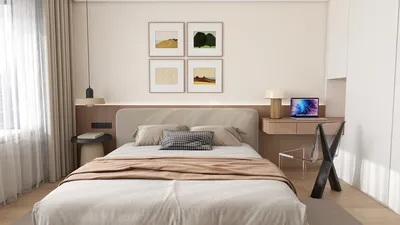


Finishing a basement wall goes beyond mere concrete coverage; it involves addressing moisture control, enhancing comfort, and creating a durable environment for everyday use. In my experience, the most effective DIY strategies harmoniously balance moisture management, thermal efficiency, sound absorption, and practicality. When executed correctly, a basement can be as inviting as any upstairs area while intelligently adapting to seasonal changes.
Supporting this approach is research on comfort and health. The WELL v2 guidelines advocate maintaining a relative humidity of 30–60% to foster respiratory comfort and minimize mold growth; implementing an intelligent wall system serves as the primary barrier in this regard (WELL v2, Thermal and Air Quality concepts). Furthermore, lighting and livability are critical components: the Illuminating Engineering Society recommends achieving a light level of 300–500 lux in work areas, a target many basements fail to meet without intentional lighting design (IES recommendations). According to studies by Gensler, environments that excel in thermal and visual comfort enhance user satisfaction and performance, proving that improvements in the building envelope and lighting are necessary for functional rather than just aesthetic purposes.
Plan Before You Frame
Begin with diagnostics. Identify sources of water intrusion (such as bulk leaks, capillary actions, or vapor transmission), examine the slab and wall for cracks, and monitor humidity levels over a week. If relative humidity consistently exceeds 60%, focus on enhancing drainage, employing dehumidification, and resolving external issues before beginning any interior work. Using a hygrometer, blue tape for mapping, and a flashlight will uncover 80% of concerns regarding moisture.
Next, plan your layout—mark partition lines, mechanical chases, and designated storage areas. When testing furniture arrangements or circulation paths (ideally 36–42 inches wide for comfortable movement), a room design visualization tool can facilitate pre-visualizing framing lines and door mechanics, such as those available through Homestyler.
Selecting the Ideal Wall System for Your Basement
This method features a versatile assembly. Begin with a capillary break beneath the sill (using sill gaskets or peel-and-stick options), a pressure-treated bottom plate, and either kiln-dried wood or 25-gauge steel studs. Ensure a one-inch gap between concrete and the framing to aid in moisture evaporation and alignment. For insulation, apply continuous rigid foam against the concrete (XPS, GPS, or foil-faced polyiso) with taped seams, then build a stud wall filled with mineral wool batts for enhanced sound and thermal performance. Avoid using interior poly sheeting; allow the structure to dry inwards instead.
Foam-backed panel systems can be installed quickly, integrate wiring channels, and provide a cozy interior finish. These systems are particularly advantageous when walls are plumb and you require rapid thermal enhancements. Always verify fire ratings and incorporate gypsum as specified by the manufacturer, ensuring all seams are meticulously air-sealed.
For spaces where every inch is critical, consider applying 1–2 inches of rigid foam directly to the concrete, sealing all seams and gaps, then adding hat channels or 1x3 furring strips to support 1/2-inch drywall. This approach enhances thermal continuity and minimizes thermal bridging. Utilize long masonry screws to fasten through the furring into the concrete. Plan electrical paths using surface raceways or through pre-cut channels in the insulation where code permits.
Moisture Management: The Essentials
- Address bulk water issues first: clean out gutters, extend downspouts by 6–10 feet, grade the yard to slope away by at least 1 inch per foot over 6 feet, and repair any visible cracks with hydraulic cement or epoxy injection as necessary.
- Install a continuous interior air barrier: using taped rigid foam or smart membranes helps prevent moist indoor air from contacting cold concrete surfaces.
- Avoid placing interior polyethylene on the warm side; it may trap moisture. Consider smart vapor retarders (variable-perm membranes) if your local building codes specify them.
- Maintain humidity levels within the WELL v2 guideline range of 30–60% RH. Oversized dehumidifiers can short-cycle; select one that suits the cubic footage of your basement and aim for a 2–4 air changes per hour (ACH) dehumidification rate.
Thermal Strategy: Comfort and Efficiency
I aim for effective continuous insulation of R-10 to R-15 on walls in colder and mixed climates; building codes typically mandate at least R-10 continuous or R-13 cavity insulation. Continuous foam helps mitigate condensation risks on drywall. In extremely cold climates, prioritize 2-inch polyiso or GPS outside the stud cavity to maintain appropriate dew points. Hot-humid environments require a strong focus on external drainage and air sealing, ensuring that assemblies are allowed to dry inwardly while controlling interior humidity with a dedicated dehumidifier.
Acoustic and Human Considerations
Basements serve multiple purposes—media rooms, workshops, and gyms. I enhance walls with mineral wool (3 lb/ft³ density) for sound absorption and only use resilient channels where upper-floor impact noise is a concern. Visually, maintaining sightlines and balance is key: ensure focal walls are aligned, follow a 60/30/10 color distribution, and incorporate softer textures at ear level to mitigate reverberation. Color psychology indicates that using muted greens and warm neutrals can help alleviate stress and foster concentration, particularly in spaces with limited windows (refer to Verywell Mind's insights on color effects).
Lighting: Layer for Functionality, Not Just Aesthetics
Aim for 300–500 lux on work surfaces as per IES recommendations. I utilize low-glare recessed or surface fixtures (with UGR-thoughtful trims), wall washing fixtures for depth, and task lighting strategically positioned at desks or workbenches. A color temperature of 3000–3500K contributes to a cozy atmosphere without compromising color accuracy; a CRI of 90+ is essential for craft and laundry tasks. Including dimmable options allows for an effortless transition from movie nights to morning workouts.
Framing, Fastening, and Clearances
- Maintain a 1-inch clearance from concrete to any framing when feasible.
- Employ masonry screws for securing bottom plates into the slab and use sill gaskets for isolation.
- Position electrical boxes to stand 1/4 inch proud of finished drywall, and apply vapor-tight gaskets where ducts or pipes penetrate the wall.
- Allow a 3/4-inch expansion gap at the floors for floating laminate or engineered wood and keep drywall half an inch above the slab to prevent moisture wicking.
Durable Drywall and Finishes
Moisture-resistant gypsum (not greenboard in wet areas) is suitable for basement use; remember to apply mold-resistant primer. In zones prone to scuffing—like home gyms or play areas—invest in abuse-resistant drywall or add a quarter-inch plywood underlayment behind drywall for unobtrusive blocking. Semi-matte finishes are ideal for managing glare in low-ceiling spaces and camouflaging imperfections.
Smart Storage Solutions, Services, and Access Panels
Design service corridors along one wall and use removable panels for access to cleanouts, valves, and junction boxes. For workshops, I recommend leaving a vertical chase open for future circuits and low-voltage wiring. If you're still arranging functional zones, a layout simulation tool, such as Homestyler, can assist in testing clearances and ensuring egress complies with the building's code.
Budgeting, Phasing, and DIY Timeframes
As a general guideline, DIY-friendly assemblies typically cost around: furring + foam + drywall being low; stud wall + foam + batts being mid-range; composite panels vary but are quicker to install. Plan for 3–5 weekends to complete 500–700 sq ft if you work systematically, extending the timeline as necessary for water mitigation and obtaining permits.
Regulatory and Safety Considerations
- Egress: Sleeping quarters must have egress windows or doors compliant with local regulations; check dimension and well requirements in your area.
- Fire: Maintain fire blocking at 10-foot intervals as well as within concealed spaces; follow fire-rated foam requirements where applicable.
- Electrical: Install GFCI where applicable; designate circuits for gym equipment or dehumidifiers as necessary.
- Combustion: Ensure appliances maintain adequate clearances and preserve combustion air if you use atmospheric equipment.
Step-by-Step: My Reliable Baseline Assembly Process
1) Address water issues, regrade the land, extend downspouts, and seal any cracks.
2) Clean the concrete surface, treat for efflorescence, and apply a spot-primer where necessary.
3) Install 1–2 inches of continuous rigid foam on the concrete; ensure all seams are taped and any gaps are foamed.
4) Place a sill gasket; install a pressure-treated bottom plate and top plate; frame using either steel or kiln-dried studs spaced 16 or 24 inches on center.
5) Run electrical wiring within the stud space; utilize mineral wool batts for enhancing acoustic comfort.
6) Only use smart vapor retarders if dictated by code and climate conditions.
7) Affix moisture-resistant drywall carefully; keep edges clear of the slab surface.
8) Proceed with finishing, applying a mold-resistant primer, and implementing paint and trim with composite baseboards in critical areas at risk of moisture.
When to Engage a Professional
For horizontal cracks exceeding 1/4 inch, bowing walls, or persistent hydrostatic pressure, enlist a structural engineer. Also, consult electricians for panel upgrades and waterproofing experts for interior drains or exterior membranes.
Trusted References
For guidance on appropriate lighting levels and visual comfort benchmarks, consult IES standards. For humidity management and health-related comfort recommendations, refer to the WELL v2 framework. For insights bridging workplace environments to home settings, Gensler Research provides valuable context. For an understanding of color psychology, Verywell Mind offers accessible summaries and references. These resources equip you to make informed decisions grounded in reliable standards rather than estimation.
FAQs
Q1: Is a vapor barrier necessary on basement walls?
A1: For most climates, avoid using interior polyethylene. Instead, place continuous rigid foam against the concrete for a thermal break and air control, and contemplate a smart vapor retarder only if necessary according to local regulations. The goal is to enable inward drying while preventing warm indoor air from impacting the cold concrete.
Q2: Which insulation type is optimal for concrete surfaces?
A2: Continuous rigid foam (polyiso, GPS, or XPS) is effective at minimizing condensation risks. Consider adding mineral wool within the stud cavity for acoustic benefits if desired. Directly placing fiberglass on concrete is risky without a preceding layer of continuous foam.
Q3: How much illumination should I allocate for a basement office or crafting area?
A3: Aim for 300–500 lux on work surfaces, following IES guidelines. Combine ambient fixtures with dedicated task lights and wall washers, keeping color temperature around 3000–3500K and CRI ratings above 90 to ensure color accuracy.
Q4: How do I manage a slightly damp wall with no visible leaks?
A4: Start by controlling external water sources and dehumidifying to maintain 30–60% relative humidity. Internally, utilize taped continuous foam to reduce vapor diffusion, maintaining an air gap when possible, and avoid interior polyethylene. After the wall is built, monitor it with a hygrometer for signs of moisture.
Q5: Are metal studs allowed in basements?
A5: Absolutely. Light-gauge steel studs resist rot and are less likely to warp over time. Use them with a pressure-treated bottom plate and place continuous foam against the concrete. Ensure that the correct fasteners are employed and isolate any contact with treated wood appropriately.
Q6: What is the best approach to soundproof a media room wall?
A6: Focus on a combination of mass and decoupling techniques: install 5/8-inch drywall, mineral wool within the cavity, and optionally resilient channels. Ensure all penetrations are sealed using acoustic-grade sealant, and consider addressing ceiling noise if footfall sounds pose a challenge.
Q7: Which finishes are most effective in resisting moisture and wear?
A7: Employ moisture-resistant gypsum with a mold-resistant primer to start. For baseboards, PVC or composite materials work well in high-moisture areas. Opt for semi-matte paints to minimize glare and conceal minor surface irregularities often found in basement environments.
Q8: How do I ensure access to shutoff valves and maintenance points?
A8: Construct shallow niches and cover them with magnetic or screw-fixed access panels. Before framing, map all utility locations and maintain a dedicated service chase where necessary.
Q9: What is a typical DIY timeline for such a project?
A9: For a space measuring 500–700 sq ft, expect to invest approximately 3–5 weekends in framing, insulating, drywalling, and finishing—all while allowing extra time for water remediation or necessary permits. Organizing tasks to respect drying times and inspections is vital for maintaining progress.
Q10: Do I still need a thermal break if I'm planning to install radiant floor heating?
A10: Yes. While radiant flooring enhances comfort, failing to insulate walls can lead to cold surface issues. Continuous wall insulation is crucial for minimizing heat loss and stabilizing mean radiant temperature, which is particularly noticeable in basement environments.
Q11: How should I approach outlet and circuit planning?
A11: Space general outlets according to code requirements, designate circuits for dehumidifiers and gym equipment, and ensure that wall-level outlets are included where furniture demands it. To minimize moisture movement, seal boxes to the air barrier effectively.
Q12: What if my basement features stone or uneven walls?
A12: Utilizing a secondary wall framing method is key: position treated bottom and top plates away from the stone, adjusting them to be plumb, and apply continuous foam between the framing and stone where necessary. Preserve vented cavities for historic assemblies requiring breathability—always refer to local preservation guidelines for best practices.
Looking to transform your space? Homestyler offers an easy-to-use online design tool alongside stunning 3D renderings and a wealth of design projects. Plus, enjoy DIY video tutorials that will inspire and guide you in creating your dream home. Start designing today with Homestyler!
Zaprojektuj teraz za darmo
































