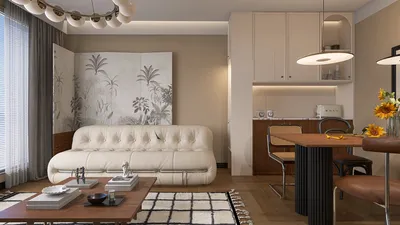


I often chuckle at the memory of a client who envisioned a koi pond in a bathroom that was merely 3 sqm — I almost drew it out, until the realities of water treatment hit me hard. That mildly chaotic experience taught me that designing an Asian-inspired bathroom involves not just materials, but a mindset, and that small areas often inspire the most innovative solutions. For instance, I began viewing the placement of Zen tubs as a solvable design challenge rather than just a gimmick.
1. Embracing Zen minimalism with natural elements
I adore incorporating warm stone, bamboo details, and clean lines to cultivate a serene, meditative atmosphere. This approach is both uncluttered and timeless, yet wood requires waterproofing and diligent upkeep — I consistently recommend treated bamboo and sealed natural stone to ensure lasting beauty.
save pin
2. Shoji screens and sliding partitions
Sliding screens infuse the space with a gentle Asian rhythm, facilitating privacy without compromising light. Although they appear delicate, they necessitate careful attention to moisture and hinges; for wet zones, I prefer using moisture-resistant acetate or treated wood.
save pin
3. Efficient wet room featuring a soaking tub
Japanese-style soaking tubs (ofuro) are a delight in compact bathrooms — they are deep, upright, and space-efficient. Planning proper drainage and slope is crucial, and I frequently create a 3D floor plan to test clearances; wet rooms provide freedom but require adequate waterproofing.
save pin
4. Lush, humidity-friendly greenery
Plants like bamboo, maidenhair fern, and philodendron enhance life and soften tile surfaces; they flourish in the humidity of bathrooms. Not only do these plants elevate mood, but I advise clients to monitor mold and strategically place them in well-lit corners or to incorporate grow-light strips.
save pin
5. Vibrant patterned tiles and sleek cabinetry
Striking oriental tiles or a glossy vanity can infuse color and personality without creating clutter. They provide a swift way to establish style, though overdoing patterned tiles can lead to them becoming outdated — I typically balance patterns with large, neutral areas and sometimes utilize AI interior design tools to preview different combinations.
save pin
FAQ
Q1: Which materials are ideal for an Asian-style bathroom?
A: Authentic materials include natural stone, treated wood or bamboo, matte ceramic tiles, and lacquered surfaces. It’s essential to prioritize water-resistant finishes and ensure proper sealing.
Q2: What strategies can I employ to make a small bathroom feel larger?
A: Implement vertical lines, reflective surfaces, sliding doors, and a muted color palette; utilizing mirrors and consistently tiling from floor to wall can create a sense of expanded space.
Q3: Are plants a suitable inclusion in bathrooms?
A: Indeed—opt for humidity-loving varieties and position them near light sources or add grow lights. Be cautious of mold and overwatering; good ventilation is vital for both plants and surfaces.
Q4: How crucial is ventilation in an Asian-themed bathroom?
A: Extremely vital. Adhere to ASHRAE ventilation guidelines (refer to ASHRAE Standard 62.2) for suitable air changes; a mechanical exhaust system prevents mold and protects wooden features.
Q5: Can patterned tiles complement a minimalist Asian aesthetic?
A: Definitely—use patterned tiles as an accent wall or in niches, balancing them with plain, muted surfaces to maintain a serene and intentional atmosphere.
Q6: Is an ofuro a feasible option in a compact apartment?
A: Absolutely, compact soaking tubs are specifically designed for small spaces, but they require careful planning for filling, drainage, and structural support; they are a luxurious but low-footprint solution.
Q7: What’s a cost-effective method to achieve an Asian-inspired look?
A: Start by repainting, selecting a statement tile for a backsplash, or updating vanity hardware; swapping a shower curtain for a simple sliding screen and adding a few plants can dramatically shift the mood without extensive renovations.
Q8: Where should I begin when designing my bathroom?
A: Start with a solid plan for wet/dry zones, ventilation, and materials, then visually test layouts—using simple design planners or tools like Homestyler can help you avoid the koi pond pitfall I almost fell into.
Transform your home design dreams into reality with Homestyler! This user-friendly online platform offers an advanced design tool, stunning 3D renderings, and a wealth of design projects. Plus, you can learn from engaging DIY video tutorials. Start creating your ideal space effortlessly today!
Projete agora para LIVRE
































