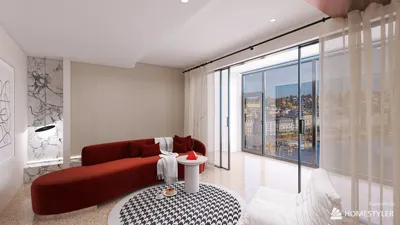


I've always appreciated how aqua can instill a sense of calm in a dining environment without diminishing its vibrancy. When executed properly, this color evokes a crisp, coastal, and modern aesthetic—radiant during the day and intimate during evenings. Aqua also harmonizes beautifully with materials like wood, stone, and metals, allowing you to easily transition the ambiance from casual brunches to candlelit dinners with just a few adjustments in lighting.
Color isn’t merely a decorative element; it significantly influences our emotions and behaviors. Studies in color psychology highlight that cool shades, such as blue-green, can reduce heart rates and lower stress levels while improving focus—an important balance for dining spaces where conversation and comfort are essential (source: verywellmind.com/color-psychology). Lighting also plays a crucial role: the Illuminating Engineering Society advises aiming for approximately 200–300 lux in dining settings, utilizing layered lighting for both mood enhancement and task clarity (source: ies.org/standards). In my approach, I aim for a color temperature of 2700–3000K for evening dining and up to 3500K for daytime meals, ensuring food appears vibrant and natural.
Selecting the Right Aqua: Hue, Value, and Chroma
Not all aquas are identical. In north-facing rooms, I prefer warmer aqua shades that incorporate a hint of gray to keep the space feeling cozy. Conversely, south-facing areas can opt for cooler, brighter aquas that maintain their vibrance against intense sunlight. As a general guideline, walls should have a Light Reflectance Value (LRV) of 40-60 to ensure the dining area feels fresh yet inviting; trim can go up to 70-80 LRV for a crisp contrast. For evening gatherings, you might choose a mid-tone aqua for the walls paired with a deeper teal to complement candlelight effectively.
Strategic Light Planning: Color Temperature, Dimming, and Glare Reduction
Dining tables deserve to be illuminated in a flattering way. I recommend a dimmable pendant lamp placed between 28-34 inches above the table surface to prevent glare that can disrupt dining experiences. Using a 2700–3000K LED with a Color Rendering Index (CRI) of 90+ ensures food looks delicious. According to IES standards, aim for around 200–300 lux at the seat height, which can be enhanced with wall washers or sconces to avoid harsh shadows. If you have an open-plan kitchen and dining area, consider adding an adjustable layer that can increase to 3500K during food preparation and dim down to 2700K for the dining atmosphere. For glossy aqua finishes, it's best to opt for diffused optics or fabric shades to soften reflective highlights.
Creating a Layout That Enhances Conversation and Flow
Aqua works its best magic when the layout encourages flow. Ensure a minimum of 36 inches of clearance around the dining table, with 42-48 inches being optimal for homes with high traffic. In elongated spaces, align the table with the room’s long axis and center the pendant light above it, while round tables facilitate better eye contact and suit square layouts nicely. If you're contemplating various table shapes or sizes for rugs, utilizing an interior layout planner—such as the Homestyler—can help you visualize clearances and sightlines before making purchases.
Pairing Aqua with Neutral Tones and Accents
Aqua beautifully complements textured neutrals. I recommend rift-sawn white oak flooring, honed limestone for sideboards, and matte black or aged brass for hardware. To maintain a sophisticated palette rather than a beachy vibe, introduce a single deep accent: options like charcoal, oxblood, or walnut add depth. If you're aiming for a more vibrant aesthetic, consider incorporating a single bold element like saffron or coral through art or upholstery—keeping such colors to 10-15% of the overall visual space is enough to invigorate the space without overwhelming it.
Material Choices and Finishes: Gloss, Sheen, and Durability
In dining rooms, the combination of durability and tactility is essential. Opt for wipeable, eggshell or matt finishes for aqua walls to maintain their freshness post gatherings. When selecting chairs, performance fabrics rated for over 30,000 double rubs provide resistance against wear; a soft pale aqua chenille can add tactile elegance without reflectivity. If you're contemplating lacquered aqua cabinetry or a credenza, balance that with low-sheen walls and a textured rug to minimize visual distraction. Sustainability is also key: choose furniture made from FSC-certified wood and low-VOC finishes to ensure better air quality during those extended meals.
Acoustic Comfort: Highlighting Conversations
Hard surfaces may amplify noise. To facilitate effortless conversations, lay down a thick rug under the table—at least extending 24 inches beyond on all sides to keep chairs on the rug when pulled out. Using upholstered dining chairs, lined drapery, and fabric-wrapped pendant lighting will reduce reverberation time (RT60) and keep voices clear. In open-concept spaces, consider using art on acoustic panels that look like canvases on adjacent walls to absorb more sound.
Wall Treatments: Painting, Paneling, and Wallpaper
Painted aqua walls offer a timeless appeal, but also consider using beadboard or narrow batten paneling at a height of 36-42 inches, painted in a slightly darker aqua for added depth. Above that, grasscloth in a subdued teal can introduce texture while also absorbing sound. For smaller dining nooks, an ombré mural that transitions from seafoam at the bottom to light aqua near the ceiling can elongate walls without overstating a theme.
Furniture Proportions and Ergonomics
Ensure a table width of 24 inches per person for comfort; place settings ideally require 28-30 inches in depth to avoid elbow clashes. The table height should range from 28-30 inches, with seat heights of 17-19 inches for optimal posture. If you choose armchairs, maintain a gap of 7-10 inches from the armrest to the tabletop for smooth sliding. Round pedestal tables of 54-60 inches in diameter can comfortably seat six and pair exquisitely with a floating aqua pendant light.
Artwork, Mirrors, and Visual Rhythm
Incorporate a mixture of art scales to keep the dining area dynamic. Start with one large piece, centered at 57 inches (gallery standard), then layer smaller coastal abstracts or black-and-white photographs with subtle aqua accents. Position mirrors across from windows to enhance daylight but avoid having bright fixtures reflect directly into diners’ eyes. Brass frames can beautifully balance the coolness of aqua with warm metallic tones.
Incorporating Greenery and Natural Elements
Aqua radiates next to greenery. Position a fiddle leaf fig or olive tree in a location with bright, indirect light; their organic shapes contrast nicely with geometric furniture. For table centerpieces, keep arrangements low—no taller than 12 inches—to maintain clear sightlines. Woven seagrass trays and linen runners help ground the color palette effectively.
Transitioning Between Day and Evening Moods
During the day, let in natural light, allowing the aqua to shine, and adjust the color temperature to around 3000-3500K for clarity. At night, dim to 2700K, turn on wall washers to highlight textured finishes, and introduce candles for an elegant sparkle. If your fixture allows, utilizing a dim-to-warm driver will help the light gradually warm as it dims, enhancing the tranquility that aqua brings.
Maximizing Small Dining Spaces with Aqua
In smaller areas, opt for lighter aqua walls to create an illusion of space, and mirror one full wall to double sightlines. Use armless chairs to conserve space and select a glass or ultra-matte table to minimize visual bulk. Match the rug color closely to the floor; stark contrasts can visually chop the area up. Store serving ware in a shallow, 12-14 inch deep credenza featuring fluted aqua fronts for texture without taking up excess space.
Navigating Open-Plan Dining Areas without Confinement
When your dining area shares an open space with a living room, consider painting the dining wall with a deeper aqua to distinguish the area, while echoing this hue through small accents in the living room. A linear pendant light centered over the table will help create a cozy zone; ensure 42-48 inches of clearance behind chairs for smooth circulation. If your layouts are flexible, test various table sizes and orientations using an interior layout planner before making any commitments: interior layout planner.
Table Styling: Layered Yet Light
Keep your table settings clean and simple: opt for white stoneware, brushed brass cutlery, and aqua linen napkins. Introduce one contrasting detail—like terracotta bud vases or smoky glass—to prevent the aqua from feeling overly uniform. Rotate seasonal arrangements, such as eucalyptus in winter and citrus branches during summer.
Ensuring Maintenance and Longevity
Utilize washable paint, protect your tabletop with heat-resistant pads during family-style meals, and choose fabrics with stain-guarding properties. LED lights boasting a lifespan of 50,000 hours reduce the frequency of bulb changes while maintaining color quality; look for ENERGY STAR or DLC certifications along with a CRI of 90+ for authentic color representation on aqua surfaces and wooden grains.
Frequently Asked Questions
Choose a warmer aqua with subtle gray or green undertones to counterbalance the coolness of daylight. Mid-light values (LRV 50-60) ensure the room remains bright without causing glare.
Aim for 200-300 lux at the table level as per IES recommendations, implementing dimming for evening settings. Wall washers or sconces will help soften any shadows.
For dinner settings, utilize 2700-3000K with a CRI of 90+. Daytime meals can increase to 3000-3500K for improved clarity without overpowering wood tones.
Absolutely. Aged brass or brushed gold accents can warm aqua’s chilliness. Ensure consistency in metals across hardware and lighting to achieve a cohesive look.
Ensure at least 24 inches of extension around the table on all sides so chairs remain on the rug when pulled out, aiding in acoustic comfort as well.
Both configurations work well. Round tables enhance conversation and soften angular rooms, while rectangular tables fit better in elongated spaces. Center your pendant over the table rather than the overall room.
Desaturate the primary wall color, layer in natural materials (like oak, linen, and limestone), and introduce one deep neutral like charcoal or walnut for visual balance.
Yes, consider using grasscloth in muted teal or an abstract print featuring 20-30% aqua. Pair it with painted millwork in a slightly deeper tone for depth.
Use lighter aqua walls, mirrors to extend sightlines, armless chairs, and a glass or ultra-matte tabletop. Minimize high-contrast transitions to keep the space feeling expansive.
Deepen the aqua in the dining zone, use a rug to ground the area, and center a linear pendant above the dining table. Maintain a clearance of 42-48 inches behind chairs for effective flow.
Prioritize FSC-certified wood, low-VOC paints and adhesives, and long-lasting LED lighting for solutions that enhance air quality while minimizing upkeep.
Reserve high gloss for smaller accents or cabinetry, balancing it with matte walls and textured fabrics to prevent glare and visual clutter.
Homestyler is your go-to online home design platform, perfect for all skill levels. With its easy-to-use design tool, stunning 3D renderings, and a wealth of DIY video tutorials, you can effortlessly create and visualize your dream home. Start designing today!
Design Now for FREE
































