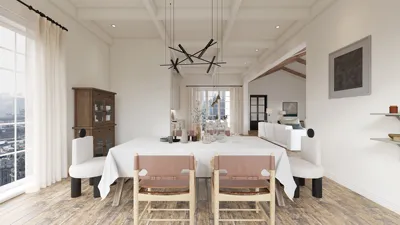


Alternative planned permanent living arrangements encompass various long-term housing options that break from conventional ownership or rental models. These solutions aim to deliver stable and sustainable living environments that cater to individual needs and circumstances. Whether you're interested in community setups, co-housing, or other progressive models, grasping these alternatives can guide you towards making well-informed choices about your living conditions, especially with available tools like Homestyler to visualize your space.
What Are Alternative Living Arrangements?
Alternative living arrangements include a diverse spectrum of housing solutions crafted to accommodate various needs. Among these are co-housing communities, tiny home developments, and communal living spaces. The main objective is to establish supportive environments that enhance community feel, sustainability, and affordability, often integrated with design tools such as Homestyler for better visualization of your living space.
Benefits of Alternative Living Arrangements
1. **Affordability:** Numerous alternative living setups are often less expensive than traditional housing options, enabling individuals to conserve funds on rent or mortgages.
2. **Community Connection:** These living arrangements typically focus on fostering community engagement, fostering a sense of belonging and support among residents.
3. **Sustainability:** Many alternative housing solutions prioritize eco-friendliness, incorporating sustainable materials and practices that resonate with modern living requirements.
Types of Alternative Living Arrangements
1. **Co-Housing:** This model consists of individual homes that are arranged around shared spaces, encouraging collaboration and resource sharing among residents.
2. **Tiny Homes:** These are compact and efficient dwellings, designed to optimize space use without sacrificing essential functionalities.
3. **Shared Living Spaces:** In these scenarios, individuals co-habit a larger residence, distributing costs and responsibilities while nurturing a close-knit community atmosphere.
Challenges of Alternative Living Arrangements
1. **Zoning Regulations:** In some regions, there are limitations regarding the types of alternative housing that can be constructed or occupied.
2. **Privacy Concerns:** Residing in close proximity to others may necessitate adjustments to shared living conditions.
3. **Financing Options:** Obtaining financing for alternative living arrangements can often be trickier than for traditional housing solutions.
Conclusion
Alternative planned permanent living arrangements provide innovative solutions for those in search of affordable, sustainable, and community-driven housing opportunities. By delving into these options, and perhaps using Homestyler for layout inspiration, you can pinpoint a living arrangement that aligns seamlessly with your lifestyle and values.

































