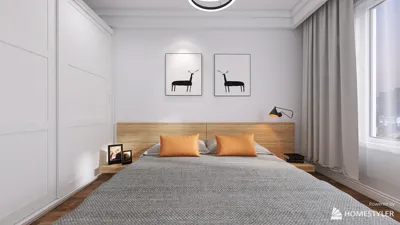


I create spaces that ensure comfort without complexity, achieving warmth in January, freshness in July, and stability during transitional seasons. To achieve comfort in any room, it is essential to choose the right heating and cooling systems in alignment with the room’s thermal envelope, usage patterns, and control mechanisms. Thermal comfort extends beyond mere temperature; it encompasses radiant balance, airflow, humidity, and noise levels collaboratively.
Research consistently indicates a strong correlation between comfort and productivity. According to studies by Steelcase, thermal comfort significantly impacts task performance and concentration. Discomfort can lead to increased error rates and diminished attention spans. The WELL v2 guidelines recommend maintaining operative temperatures between approximately 20–24°C (68–75°F) with relative humidity levels ranging from 30% to 60%, along with controllable air movement and zoning. These standards are vital for optimal year-round functioning that respects the building's physical properties.
In practical applications, the most effective single-room systems combine efficient equipment with excellent insulation and straightforward controls. Gensler’s workplace studies reveal that individual control is a key element driving satisfaction; even a minor dedicated thermostat or fan speed adjustment can significantly enhance perceived comfort. The ability to make choices and respond to individual needs is just as crucial as the metrics like BTUs and SEER ratings.
Evaluating the Room: Envelope, Loads, and Usage Patterns
I begin by examining the fundamentals: square footage, ceiling height, window area, orientation, and infiltration levels. A west-facing room with single-pane windows functions very differently compared to a snug interior den. Typically, heat loads for well-insulated bedrooms might range between 10 to 20 BTU/hr per square foot, while sunlit living spaces or poorly insulated additions could go beyond that. It’s also important to account for internal heat gains from people, appliances, or electronics; if the room houses a gaming setup or an exercise machine, increased cooling capacity and ventilation become priorities.
Compact Solutions for Year-Round Comfort
For most individual rooms, four main categories provide consistent comfort throughout all seasons:
Effective Controls, Sensors, and Setpoints
I focus on establishing a clear control strategy: a local thermostat for heating, fan speed regulation for airflow, and setpoints that follow WELL v2 recommendations (68–75°F, RH 30–60%). It’s important to steer clear of overcooling; lower relative humidity can create a cooler sensation at the same dry-bulb temperature. To enhance sleep quality, consider lowering setpoints by 2–3°F and utilizing low fan speeds to minimize noise and draft. Steelcase’s findings emphasize that daily comfort fluctuations affect cognitive load; adjusting setpoints according to occupancy is beneficial.
Ventilation, Filtration, and Indoor Air Quality
Thermal comfort cannot be achieved without adequate indoor air quality. Always keep minimum ventilation rates in mind and incorporate MERV 11–13 filters when the system permits. In dry winter climates, maintaining a relative humidity level near 40–45% can alleviate discomfort, while in humid summer months, ensuring the balance between sensible and latent cooling capacities is crucial to keep humidity under control. A small Energy Recovery Ventilator (ERV) can effectively stabilize humidity in tightly sealed areas. Utilizing auto-fan settings for light air circulation is advised when target temperatures are reached.
Noise, Acoustics, and Unit Placement
Acoustic comfort is particularly important in spaces such as bedrooms and home offices. Positioning indoor units away from beds and workspaces is essential. Inverter mini-split systems can operate almost silently at lower fan speeds, which is rarely the case for portable units. Implementing soft materials—like rugs and fabric panels—can help absorb high-frequency sounds from fans and prevent echoes.
Natural Light, Glare, and Thermal Equilibrium
While daylight is beneficial, it can also increase heat load and cause glare. I adhere to IES guidelines for glare management and task lighting: adjustable shades, solar screens, and warm white lighting (between 2700–3000K) for evenings. Direct sunlight on a unit’s temperature sensor can lead to inaccurate readings; using shade sensors when possible is advisable. It’s important to distinguish between radiant and air temperatures in your mind; sunlit walls can create a feeling of warmth that doesn’t match the thermostat setting.
Color Perception and Warmth
Colors can influence perceived warmth. Research from Verywell Mind indicates that warm shades (like muted terracotta or ochre) evoke feelings of coziness, while cooler shades (such as soft blues or greige) seem fresher. I incorporate warm muted accents in winter-focused rooms and cooler tones where summer cooling is essential, ensuring that color saturation remains restrained to prevent visual fatigue.
Energy Efficiency and Sustainable Practices
Opt for high-SEER mini-splits and prioritize variable-speed compressors. Ensure proper sealing and insulation—comfort fundamentally begins with the building envelope. If generating heat with electric resistance, keep run times minimal and rely on heat pumps when possible; their performance efficiency multiplies the energy input. Utilizing smart plugs and occupancy sensors can help reduce energy waste.
Strategic Layout for Airflow and Zoning
Position the indoor unit to effectively circulate air across the room's longest dimension, avoiding direct airflow at seating areas. Use deflectors sparingly; it’s preferable to adjust unit angles and fan speeds. In multipurpose rooms, consider creating micro-zones: a reading area with local lighting and gentle airflow; a desk space with smooth laminar flow to keep papers from fluttering. When planning furniture placement, using an interior layout planner like Homestyler can help validate distance needs and prevent air stagnation zones.
Using Your Space Efficiently
Materials Impacting Thermal Feel
The choice of flooring materials can significantly affect perceived warmth. Natural fiber rugs can mitigate radiant heat loss and provide comfort; leather seating tends to feel cooler than fabric upon initial contact. In winter, using a thin cork underlayer beneath floating floors can reduce thermal impact. Double-lined window treatments can minimize nighttime heat loss.
Ongoing Maintenance: Keeping Systems Quiet and Clean
Regularly clean filters every three months, inspect condensate lines for obstructions, and vacuum coils on an annual basis. Mini-splits can develop biofilm on their blowers; a professional cleaning ensures efficiency and hygiene are maintained. Regularly check thermostat accuracy and recalibrate if necessary.
Typical Room Categories and Recommendations
Bedroom: Utilize a quiet mini-split, implement sleep mode, opt for warm task lighting, blackout shades, and maintain 40–45% humidity in winter.
Home Office: Focus on stable temperature setpoints, low fan speeds, glare reduction in accordance with IES standards, and moderate daylight exposure.
Living Room: Require higher cooling capacity, integrate ceiling fans, and implement solar control strategies on west-facing windows.
Rental Spaces: Consider a window unit with heating capability, ensure precise caulking, and use a plug-in dehumidifier for transitional seasons.
Frequently Asked Questions
Begin by measuring square footage and assessing envelope quality. Typical bedrooms generally require about 6,000–9,000 BTU/hr, while sun-exposed living rooms may need 12,000–18,000 BTU/hr. Consider window orientation, infiltration, and internal thermal loads.
Following WELL v2 suggestions of around 68–75°F and 30–60% relative humidity is ideal. Aim for approximately 40–50% RH to balance comfort with mold prevention, adjusting as necessary per season.
While they are potential short-term or flexible solutions, expect possible increases in noise levels and lower energy efficiency due to their single-hose design. Generally, a ductless mini-split is the superior choice.
Certainly. Running the fan at a low speed can help mix air gently and reduce temperature stratification. In winter, reversing the fan direction can circulate warm air downward without creating drafts.
Absolutely. If your system allows, use MERV 11–13 rated filters. Good indoor air quality not only supports comfort but also enhances cognitive function; however, dirty filters can diminish both.
Yes, they can. Warm, muted colors convey coziness, while cooler shades evoke freshness. The perception of color can impact comfort levels, even at identical thermostat settings.
Indeed. Opt for inverter-based equipment, utilize sleep modes and lower fan speeds, position the unit a safe distance from sleeping areas, and incorporate soft materials to absorb sound.
In humid areas or transitional seasons, it is advisable. A dedicated dehumidification system can help maintain appropriate humidity levels when cooling needs are lower.
Incorporate solar control methods (like shades and low-e films), slightly enhance cooling capacity, and shield temperature sensors from direct sunlight to prevent inaccurate readings.
It is a suitable option for moderate loads and simple installations. Pair these systems with ceiling fans and consider a smaller cooling appliance for warmer months.
Maintain clean filters on a quarterly basis and schedule professional cleaning for coils and blowers annually. Periodically check condensate lines and remote batteries.
Yes, using furniture, partitions, and fine-tuning airflow can create distinct micro-zones. Implementing multi-directional vanes and adjustable fan speeds are effective tools for zoning.
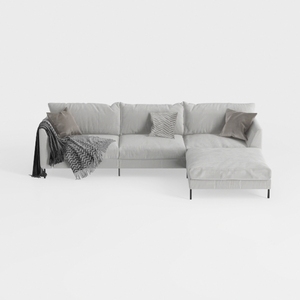
Minimalist Light Gray Fabric L Shape Sectional Sofa 3D Model

Minimalist Pink Fabric L Shaped Sectional Sofa 3D Model

Modern Marble Top Solid Wood Console Table With Decorative Accents 3D Model
Homestyler is the ultimate online home design platform for anyone looking to transform their space. Its user-friendly design tool, impressive 3D renderings, and a wealth of DIY video tutorials make creating stunning interiors simple and enjoyable. Unleash your creativity today!
지금 무료로 디자인하세요
































