

Direct Answer
An accent wall is ideal when you want to establish a visual centerpiece without overpowering the space. Conversely, painting the entire room in one hue creates a unified and immersive ambiance. The optimal choice varies based on the room's dimensions, lighting conditions, furniture arrangement, and the level of contrast the area can accommodate.
Quick Takeaways
Introduction
A frequent question during initial design consultations is whether to opt for an accent wall or paint the full room. From over ten years of experience in residential design, I’ve found that this choice depends less on paint colors and more on how the space is used.
Many homeowners lean towards adding an accent wall as it seems like a "safe" design choice. However, in practice, feature walls can sometimes make a room feel smaller, fragmented, or outdated if they don't align with the room's architecture.
Alternatively, painting a whole room in a single color fosters a calm and cohesive environment, allowing furniture, lighting, and artwork to stand out naturally. I often suggest clients try out different layouts using tools like Homestyler’s room planner to visualize furniture placement and wall focus, clarifying the painting direction.
This guide will explore how accent walls compare to full-room painting regarding aesthetic influence, budget implications, design adaptability, and long-term practicality.
What Is an Accent Wall in Interior Painting
Key Insight: An accent wall features one wall painted in a contrasting shade to highlight a focal point visually.
The principle is straightforward: instead of painting all walls uniformly, one wall is made to stand out. Designers typically select the wall behind a bed, couch, or fireplace, as these are natural anchors in a room.
A common pitfall is selecting the wrong wall for accentuating, which can make the effect feel misplaced if it doesn’t coincide with the room’s natural focal area.
Typical Accent Wall Locations:
According to design experts featured in Architectural Digest, accent walls are most effective when they emphasize an existing architectural element rather than trying to fabricate one.
Benefits of Painting an Entire Room One Color
Key Insight: Using one consistent color throughout all walls promotes visual harmony, often making spaces appear larger and more balanced.
While full-room painting may appear less bold than a feature wall, it is frequently the more refined choice from a design perspective.
Advantages include:
In smaller areas, a monochromatic approach minimizes visual fragmentation and prevents the perception of diminished space.
Clients often find it helpful to see realistic renderings created via Homestyler, which showcase how lighting and shadows interact with paint. This practical visualization often influences their final choice.
Visual Impact Differences Between Accent and Full Color
Key Insight: Accent walls introduce contrast and focus, whereas full-room color creates an enveloping and harmonious setting.
This distinction becomes clear upon entering the room.
Accent Wall Visual Effect: draws attention to a specific area by contrasting color or texture.
Full Room Color Effect: establishes flow and unity throughout the entire space.
Recent trends show a move away from arbitrary accent walls toward color drenching—painting walls, trims, and ceilings all in the same palette—to create immersive interiors, as highlighted by magazines like House Beautiful and Elle Decor.
Best Room Types for Accent Walls
Key Insight: Accent walls are most successful in rooms with a clear, existing focal point.
They aren’t suitable for every room but can create a striking effect when architectural features support their use.
Rooms ideal for accent walls typically include:
One common error is placing accent walls in rooms cluttered with doors or windows, which often disrupts visual flow and weakens the impact.
Designers frequently utilize interactive tools like Homestyler to simulate how accent placement affects overall room composition, ensuring the contrast complements rather than detracts.
When to Choose Between Accent Wall and Full Room Paint
If the room already possesses a natural visual anchor, an accent wall can emphasize it effectively. Otherwise, painting all walls the same color creates a more seamless and contemporary environment.
When Full Color Coverage Works Best
Key Insight: Uniform color across all walls excels in smaller rooms, contemporary designs, and complex floor plans.
Situations favoring full-room color application include:
Moreover, full-room neutral colors often photograph better in real estate listings and tend to attract a broader audience, enhancing resale value.
Cost and Effort Comparison for Each Approach
Key Insight: Although accent walls seem less expensive due to less paint usage, the price difference compared to full-room painting is usually minimal. Preparation and any design errors can introduce extra costs.
Homeowners often assume accent walls save money, but overall expenses are generally comparable.
Considerations include:
Painting an entire room tends to be more straightforward and quicker for contractors to complete.
Typically, the total price difference is less than 10% of the painting budget in most residential projects.
Final Summary
FAQ
Is an accent wall still trendy?
Yes, but their use has become more purposeful. Random placement is declining, while architecturally integrated accent walls remain fashionable.
Which option is better for small spaces: accent wall or full room paint?
Usually, painting the whole room works better in compact areas as it avoids visual interruptions that shrink the space.
Should the wall behind the TV be painted darker?
Darker shades behind a TV can minimize glare and naturally provide a point of focus.
What colors are recommended for accent walls?
Typically, hues two to three shades deeper than the other walls or complementary tones from the room’s color scheme.
Do accent walls make rooms feel bigger?
Sometimes, particularly when applied to the wall farthest from the entry to enhance depth perception.
Is it okay to have two accent walls?
Possible, but it demands careful balance and generally works best in larger rooms.
Is full room color considered more modern?
Yes. Many modern interiors favor continuous color schemes over starkly contrasting walls.
When should accent walls be avoided?
Rooms with multiple windows, doors, or irregular wall layouts often don’t benefit from accent walls.
Originally incubated at Autodesk, Homestyler has grown into one of the most widely adopted home design platforms in the world, now trusted by over 18 million users. Whether you're a homeowner exploring ideas or a professional designer delivering client-ready renders, Homestyler brings industry-leading 3D technology to your fingertips — no experience required.

Minimalist Glass Metal Coffee Table 3D Model
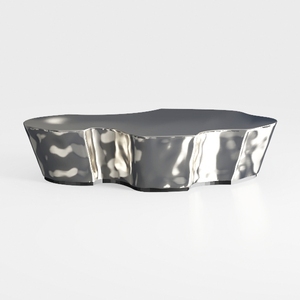

Modern Polished Metal Irregular Shaped Coffee Table 3D Model
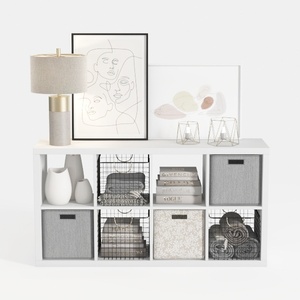
Modern Minimalist White Fabric Metal Storage Cabinet Console Table 3D Model
Homestyler is an easy-to-use online home design platform offering powerful 3D rendering, a vast collection of interior decoration projects, and helpful DIY video tutorials. It’s perfect for turning your design ideas into beautiful, realistic spaces effortlessly.
立即免费设计
































