

Having designed and constructed over a dozen cutting tables for sewing environments, I've found that the top models share some essential features: the right height, a stable surface, effective lighting, ample storage, and seamless movement. A well-optimized cutting table can significantly enhance your workflow. Research from Steelcase highlights that workspaces designed according to specific task requirements can boost both perceived productivity and well-being. The WELL v2 framework further underlines the importance of glare control and consistent lighting to minimize visual fatigue—an aspect that’s crucial when handling patterns, aligning grainlines, or trimming fabric. My designs incorporate these principles, ensuring that the table performs as vigorously as you do.
Height and ergonomic posture are essential factors to consider. Herman Miller suggests that the preferred standing work heights should roughly be at elbow level, usually between 36 to 38 inches for most adults, which helps alleviate the strain on the lower back and shoulders. Lighting is equally vital; I target a brightness of 500 to 750 lux on the work surface according to IES guidelines, with a color temperature between 4000 to 5000K to ensure accurate color perception. If you sew during evening hours or in spaces without natural light, think about incorporating dimmable task lighting to maintain contrast while avoiding glare. Steelcase also provides insightful research on how to align tasks with environments (steelcase.com/research).
Setting Your Cutting Table Objectives
Before you dive into construction, it's crucial to identify what functions the table needs to serve: accommodating 60-inch fabric rolls, supporting heavy quilts, storing rotary cutters, or being movable for multipurpose use. I usually draft a list of essential tasks before determining the size of the tabletop. For garment sewing with 45 to 60 inch fabric, a top size ranging from 36 to 40 x 72 inches is effective; quilters may often prefer a larger 48 x 84 inches. When space is limited, a compact 30 to 36 x 60 inch design with drop leaves can still offer a full-sized experience. For setups requiring frequent rearrangement or sharing, I recommend casters with total lock capabilities and a minimum combined weight rating of 220 lbs to stop any unintended movements while cutting.
Establishing the Right Working Height
To determine the perfect height, stand comfortably, bend your elbows at a 90-degree angle, and measure from the floor to your forearm. This often results in a comfortable height of 36 to 38 inches. If the table is used by various individuals, I’ve found success with a fixed height of 34 inches, combined with a 1 to 2 inch anti-fatigue mat for shorter users, and incorporating a 1.5 inch cutting mat to elevate the working surface for taller users. Adjustable designs—like those with threaded levelers or riser platforms—can provide extra height options while maintaining stability.
Selecting a Durable, Repairable Surface
The cutting table should be designed with three layers of surfaces for practicality and longevity: a structural top, a replaceable sacrificial top, and a cutting mat. For the structure, opt for 3/4 inch plywood or an MDF core with a hardwood apron, as these materials resist warping better than particleboard. I prefer a removable 1/8 to 1/4 inch hardboard (Masonite) or linoleum sheet on top for its smoothness and easy maintenance. Finally, a full-size self-healing cutting mat (such as 36 x 72 inches or modular pieces) offers grid lines for reference and blade protection. If you also press fabric in the same area, designate a heat-resistant section equipped with a wool pad and cotton cover; visually distinguishing this space helps avoid accidental burns and moisture issues.
Prioritize Lighting Before Color and Contrast
A well-lit surface across the entire table is more beneficial than relying on a single overhead light. I suggest combining ceiling ambient lighting with a linear task light directly above the table to achieve the desired brightness of 500–750 lux, thereby minimizing shadows. Neutral color temperatures around 4000 to 5000K ensure accurate fabric matching. The psychology of color suggests that calm neutrals on the tabletop (light gray, soft warm white) can decrease visual clutter, making gridlines clearer; additionally, a soft mid-tone surface minimizes eye strain compared to glaring high-gloss finishes. Matte surfaces are also adept at reducing glare, which can obscure the grid lines on cutting mats.
Organize Storage to Match Your Workflow
The most efficient workstations place essential tools within a quick reach. I’ve attached a magnetic strip on the front apron for scissors, added a shallow drawer for rotary cutters and chalk, and set up a vertical slot cabinet for rulers to avoid edge damage. For fabric, deep cubbies around 12 to 14 inches high help to neatly store folded pieces; full-extension slide bins are worth the investment as they allow you to see contents without unstacking. When choosing between open shelves and drawers, open storage allows for swift access during busy times, while drawers keep dust away during longer intervals.
Mobility, Stability, and Safety Features
Casters can maximize the usability of a small workspace. It's best to use casters with a diameter of 3 to 4 inches to facilitate smoother movement over rugs, and don’t forget to include at least two total-lock casters positioned diagonally for stability. To prevent twisting in a mobile design, I either cross-brace the frame or include a solid lower shelf that can also serve as storage. Edging the tabletop with a radius of 1/8 to 1/4 inch alleviates wrist pressure and avoids snagging. Consider integrating a recessed tool area to keep blades safe and below surface level, especially with children or pets around.
Intelligent Dimensions and Space Ratios
Leave adequate clearances just as critically as selecting table sizes. Maintain a minimum of 36 inches on the main working side and 24 to 30 inches on the secondary sides for overall comfort. In shared setups with a sewing machine, aim for a cutting-to-sewing surface ratio of about 1:1.3; for instance, pairing a 36 x 60 inch cutting table with a 24 x 46 inch sewing station can enhance task efficiency without making the space feel cramped. In tighter areas, consider a drop-leaf design featuring two 10 to 14 inch leaves for expansion only when needed.
Material Selection and Sustainability Options
Employ low-VOC plywood with a hardwood edge for a resilient core; using waterborne finishes contributes to healthier indoor air quality, especially in small sewing spaces. Linoleum (genuine linseed linoleum, not vinyl) makes for a robust and renewable surface with an attractive matte finish and easy upkeep. If recycling existing bases—such as two cube bookcases or a steel frame—assess racking strength and consider adding a perimeter apron or corner blocks. Ensure that fasteners are easily accessible for future disassembly, promoting the longevity of the table through relocations or updates.
Variety in Build Options: From Simple to Advanced
Setting up two 30 to 36 inch-wide bookcases with a gap of 24 to 30 inches creates instant storage solutions. You can bridge them using a 3/4 inch plywood surface topped with a 1/4 inch replaceable hardboard. Adding a full-size cutting mat allows for a sturdy table fitted with organized cubbies.
Construct a rectangular frame using 2x3 or 2x4 lumber along with a lower shelf, attach four casters, and attach 12 inch leaves on one or both long sides. Foldable supports or sliding brackets can enable the table to adapt to compact apartments and shared spaces.
Combine metal adjustable legs with a laminated surface to accommodate users requiring different heights. Incorporate threaded levelers to adjust from 1 to 1.5 inches. Ensure that the connection between the leg and top features corner plates or steel brackets to enhance stability during substantial cutting tasks.
Planning and Visualizing Your Layout
Before proceeding, I recommend modeling circulation paths, light sources, and storage positions to confirm accessibility and clearances. A quick and no-CAD method to assess space planning is to use a room layout tool like Homestyler, which can simulate table dimensions, circulation space, and lighting locations.
Considerations for Acoustic and Comfort
Whether quilting or garment making, often working late can be noisy; placing felt pads underneath bins and utilizing a wool pressing surface minimizes high-frequency sounds. A cork strip for pinning notes and swatches on the apron quietly collects information. For long periods of standing, using a 3/4 to 1 inch anti-fatigue mat alleviates pressure on knees and hips—small investments that prolong productivity without discomfort.
A Step-by-Step Overview of the Building Process
1) Determine the table dimensions based on your tasks and available space (e.g., 36 x 72 inches). 2) Create or set up bases 24 to 30 inches apart for stability. 3) Install an apron or braces to eliminate racking. 4) Add casters if desired, ensuring they lock diagonally. 5) Secure the structural top followed by the sacrificial layer. 6) Round off edges and apply a matte waterborne finish. 7) Install overhead task lighting, confirming a brightness of 500 to 750 lux at the surface. 8) Arrange the cutting mat, organize tools in shallow top-side storage, and test the reach for frequently used items.
Common Mistakes I Avoid
- Having a table set too low, leading to back pain. - Using high-gloss white surfaces that create glare under LED lights. - Omitting total-lock casters, which can cause unwanted table movement. - Deep storage that obscures frequently-used tools; keep these within 4 to 6 inches of edge. - Neglecting to engineer cross-bracing in mobile frames. - Not accounting for reach and clearances, resulting in awkward body positioning.
Frequently Asked Questions
To get the right height, measure from the floor to your bent elbow and allow for a 2 to 3 inch deduction; this usually brings the height to around 36 to 38 inches, aligning with ergonomic suggestions from Herman Miller for optimal standing work.
Aim for a lighting level between 500 and 750 lux on the workspace, maintaining a color temperature of 4000 to 5000K. Properly diffused task lighting reduces shadowing and ensures accurate color matching, adhering to IES recommendations for intricate tasks.
If the workspace is used by multiple people or requires frequent reconfiguration, opt for mobility. Choose 3 to 4 inch total-lock casters and consider a low shelf for added stability. For dedicated studios, a fixed yet braced base might provide a firmer feel.
The ideal choice for the surface is 3/4 inch plywood or an MDF core topped with a replaceable hardboard or linoleum layer, ensuring flatness, ease of repair, and cost-effectiveness. Finally, a self-healing cutting mat safeguards edges and blades effectively.
For accommodating 45 to 60 inch fabric, a comfortable table size would be 36 to 40 x 72 inches. If space is limited, consider a core of 30 to 36 x 60 inches with drop leaves to allow for larger patterns.
Absolutely—dedicate a heat-safe area with wool padding and a cotton covering, keeping the remainder for cutting tasks. Visual differentiation helps in avoiding heat damage to mats while managing steam moisture.
Store frequently-used tools (like rotary cutters, chalk, scissors) in a shallow drawer or on a magnetic strip within 6 inches of the edge. Rulers should be vertically stored in a protective slot to prevent damage.
Utilize matte finishes on the table top, enhance the work environment with diffused task lighting, and refrain from using glossy white colors. Neutral mid-tones on surfaces create adequate contrast for gridlines without harsh reflections.
If several individuals use the work table or transition between cutting and assembly, the inclusion of adjustable legs or risers is beneficial. Otherwise, establishing the proper fixed height paired with an anti-fatigue mat is generally sufficient.
Maintain a clearance of 36 inches on the primary working side to support full arm movement and 24 to 30 inches on secondary sides to facilitate smooth operation without obstruction.
What began as an Autodesk innovation has evolved into a design platform used by more than 18 million people around the globe. Homestyler combines powerful rendering, an intuitive editor, and a vast furniture library to help you turn inspiration into photorealistic designs — whether you're redesigning a single room or planning an entire home.
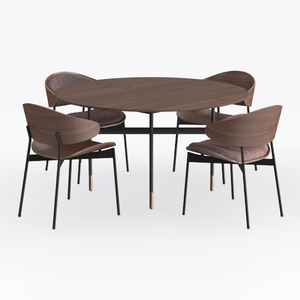
Modern Walnut Fabric Metal Oval Dining Table Chair Set 3D Model
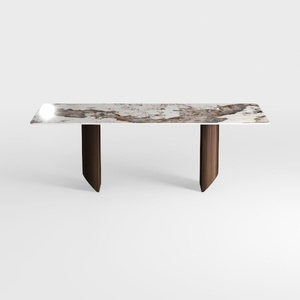
Modern Marble Top Walnut Wood Dining Table 3D Model

Fabric Accent Chair, Upholstered Armchair with
Discover the magic of home design with Homestyler! This user-friendly online platform offers a powerful design tool, stunning 3D renderings, a wealth of design projects, and inspiring DIY video tutorials. Bring your vision to life effortlessly and create the home of your dreams!
Diseño ahora GRATIS
































