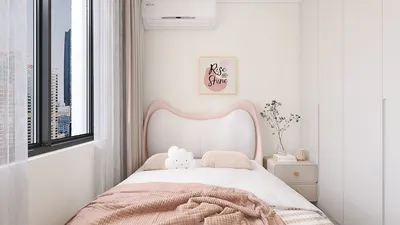


When aiming to enhance a room's softness, height, and acoustic qualities without extensive renovations, I turn to wall draping. Skillful fabric arrangement can redefine proportions, minimize glare, and direct focus to essential features. In spacious areas like living rooms and bedrooms, drapes effectively reduce visual clutter while introducing texture and color, particularly in spaces dominated by hard surfaces. Implementing these drapes using Homestyler can provide an exceptional visual representation of your design ideas.
Comfort extends beyond mere perception. Research from Steelcase reveals that unwanted noise ranks as one of the most significant complaints in workplaces and hinders cognitive function. Light fabric draping absorbs mid- and high-frequency sound, especially when layered with a slight air gap from the wall. The WELL v2’s Light concept emphasizes balanced brightness and glare reduction, and wall drapes with a matte weave help to diffuse intense light, decreasing the reflective glare that glossy paints or bare drywall often produce. This understanding shapes my fabric selections and arrangements in multi-functional spaces, particularly when paired with Homestyler for visualization.
The significance of color selection cannot be overstated. Insights from VerywellMind indicate that warm tones can invigorate, while cool shades promote relaxation. I apply this knowledge to my fabric choices—opting for sandy and terracotta shades in lively communal areas, and misty blue or sage in tranquil retreats. Given that drapes cover extensive areas, I typically favor earthy tones and mid-saturation colors to ensure they enhance rather than overwhelm the space, a concept easily visualized using Homestyler.
Soft-Frame Walls: A Unique Approach to Fabric Architecture
To add architectural appeal to a wall lacking detail, I create a 'soft frame' with vertical fabric panels complemented by sleek battens. Tall, floor-to-ceiling panels on either side of a central artwork or mirror introduce rhythm and an impression of height. Keeping panel widths within 20–30 inches maintains visual balance, while ensuring the gap between them mirrors one of the panel widths. I select materials like matte linen or cotton blends with a delicate texture to catch light without causing glare, and visualize this using tools like Homestyler.
Layered Sheers for Enhanced Light Management and Privacy
Sheer fabrics serve far more than mere window treatments. For windows exposed to bright light, a system of sheer panels softens the contrast across interiors. I typically employ a double-layer approach: a looser weave against the wall, followed by a finer weave in the foreground. This layering not only diffuses sunlight but also balances the luminance within a room, making transitions between light and dark areas more comfortable—an approach that aligns with the glare control principles highlighted in WELL v2.
Acoustic Draping: Quiet Spaces Without Extensive Renovation
For areas designated for TV viewing, reading, or home offices, I incorporate pleated, medium-weight fabrics to absorb sound and mitigate flutter echo. A small 1–2 inch standoff from the wall enhances sound absorption by trapping air, making this approach effective without appearing overly technical. Textiles like wool blends or dense cotton twill are ideal candidates for this application. When the space is dual-purpose as an office, I recommend placing the draped wall opposite hard floors or large windows to effectively balance reflections, which can be demonstrated using the innovative design capabilities of Homestyler.
Understanding Color Psychology in Fabric Choices
Wall drapes act as expansive fields of color, so I choose tones that serve specific functions. In creative environments, warm neutrals with terracotta nuances promote activity, while bedrooms benefit from subdued cool shades like dusty blues and greens that evoke tranquility. For dining areas, muted jewel tones such as forest green or aubergine create an intimate atmosphere by night, remaining sophisticated during the day. It's important to keep patterns subtle; micro-geometric designs or tone-on-tone jacquards add depth without contributing visual noise, a strategy readily supported by the design tools in Homestyler.
Ceiling-to-Floor Lengths to Alter Perceptions of Proportions
Rooms with low ceilings can appear taller if guided by vertical lines. Installing full-height drapes on the highest wall promotes a sense of elevation. Precision alignment of panel hems with the floor and ceiling lines, along with a slim contrasting band at the top, can create an illusion of height. In longer, narrower rooms, utilizing a short wall-to-wall drape at the opposite end compresses perceived depth and enhances the rhythm, and these concepts can be visually tested in Homestyler.
Concealing Storage with Wall Draping
In compact living environments, draping can effectively hide shallow shelves or desk niches. Utilizing a track-mounted fabric panel that slides open reveals storage and presents a chic accent wall when closed. I recommend using moderately dense fabrics to avoid showcasing shapes underneath, and a simple weighted hem ensures the panel hangs smoothly and straight.
Different Types of Textiles: From Sheer to Sturdy
• Sheer linen: Ideal for gentle light diffusion and daytime privacy.
• Cotton canvas: Durable, matte, and suitable for high-traffic areas.
• Wool blend: Offers excellent acoustic properties and is naturally flame-resistant—always check local codes.
• Velvet: Provides a rich texture perfect for media rooms; opt for performance velvet to resist flattening.
• Recycled polyester: A sustainable option that's dimensionally stable; look for low-VOC certifications to help with indoor air quality.
Intentional Mounting Techniques
• Slim track systems: Attached to the ceiling for a modern aesthetic and full-height impact.
• Discreet battens: Thin wood or metal strips that define fabric fields and offer subtle paneling.
• Hook-and-loop bands: A practical choice for rental spaces; coordinate with painted battens for a finished look.
• Tension rods: Quick and non-invasive option; ideal for temporary or seasonal installations.
Pattern and Texture Strategies
The mood of a room is significantly influenced by texture. Bouclé, slubbed linen, and ribbed weaves offer tactility that not only photographs beautifully but also conceals minor wall imperfections. Patterns should play along sightlines: vertical motifs on narrow walls to elongate them, and horizontal patterns on short walls to widen the space. If a room features prominent geometric flooring, calmer wall textures are wise to prevent visual competition, and these combinations can be explored in detail with tools like Homestyler.
Integrating Lighting with Draped Walls
For consistent illumination and minimized glare, placing wall washers or diffuse sconces alongside draped areas is advisable. I follow IES guidelines to reduce harsh luminance contrasts by employing dimmable fixtures with warm to neutral color temperatures (2700–3500K) in living spaces. Concealed LED strips behind sheer panels can cast a soft, lantern-like glow at night, perfect for bedrooms or cozy reading corners.
Seasonal Textile Rotations and Maintenance
I recommend seasonal rotations for textiles: light sheers in spring and summer, heavier weaves in deeper colors for fall and winter. Most fabrics benefit from gentle vacuuming with a brush attachment and occasional steaming for upkeep. For durability, I suggest selecting pre-shrunk or prescoured materials and sun-resistant fabrics near bright windows.
Planning Your Draped Layout
Prior to installation, mapping out panel widths and sightlines is essential. I prefer using a simple interior layout planner, such as those available in Homestyler, to visualize how panel rhythm interacts with furniture arrangements and focal points before finalizing the design.
cost-effective Solutions
• Employ painter’s drop cloths for sturdy, neutral panels; wash and iron them for a softer appearance.
• Pair a single standout fabric with coordinating solids to cut down on yardage expenses.
• Add contrasting tape edge bands to simulate custom finishes without complex sewing requirements.
• Use tension rods in rentals to avoid causing wall damage.
For an in-depth understanding of comfort and performance, I frequently consult workplace and wellness studies from Steelcase and WELL v2, particularly when addressing the balance of acoustics and glare in multi-use home settings. Discover more insights at Steelcase research and WELL v2 resources, or leverage Homestyler to bring your vision to life.
Frequently Asked Questions
Q1: Can wall draping genuinely minimize noise?
A: Medium-weight fabrics with soft pleats and a small air gap are capable of absorbing mid to high frequencies and controlling flutter echo. While they won’t replace acoustic panels, they significantly enhance speech clarity in hard-surfaced environments.
Q2: What fabric weights are most suitable for living room spaces?
A: Opt for weights between 8–12 oz per yard for a balanced feel. Wool blends, performance velvet, and dense cotton twill have substantial body, while layered sheers serve light control needs.
Q3: How can I select colors that won't dominate the space?
A: Choose mid-saturation hues that fit the room's function—cool, desaturated blues and greens for tranquil areas, and warm, earthy neutrals for social spaces. Ensure undertones are consistent with flooring and furniture finishes.
Q4: Can drapes mitigate glare from shiny walls?
A: Yes. Using matte fabrics with delicate weave patterns assists in diffusing reflections, which helps diminish luminance contrast. Pair these with dimmable sconces or wall washers set at 2700–3500K for optimal ambient lighting.
Q5: What are the safest mounting options for rentals?
A: Consider using tension rods or hook-and-loop bands affixed to painted battens, as they are removable and prevent extensive repair for wall damage later.
Q6: How can I effectively integrate drapes around artwork or television screens?
A: Encapsulate the focal area with symmetrical fabric panels. For television areas, opt for darker, matte fabrics that minimize peripheral reflections and enhance perceived contrast.
Q7: Are recycled or sustainable fabric options viable?
A: Yes, options such as recycled polyester and wool blends can provide durability while also being environmentally friendly. Always prioritize low-VOC certifications, especially for fabrics exposed to sunlight near windows to prolong their lifespan.
Q8: What is the recommended width for each panel?
A: For most spaces, a width of 20–30 inches per panel is effective. Maintain uniform spacing—generally one panel width between adjacent panels—to ensure rhythmic and balanced aesthetics.
Q9: Is it possible to backlight draped walls?
A: Certainly. Concealed LED strips placed behind sheer panels produce a gentle gradient. Utilizing warm-white LEDs and dimmers allows you to adjust the brightness for evening time.
Q10: What’s the simplest fabric to begin with?
A: Washed cotton canvas or linen-blend sheers are both forgiving and easy to work with, adapting to various styles while avoiding a heavy appearance.
Homestyler is the ultimate online home design platform for anyone looking to create stunning spaces. With its intuitive design tool, impressive 3D renderings, and a wealth of DIY video tutorials, you can easily transform your ideas into reality and explore endless design possibilities!
지금 무료로 디자인하세요
































