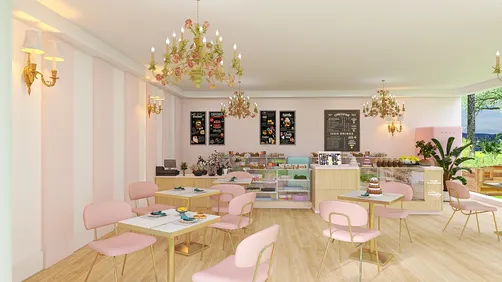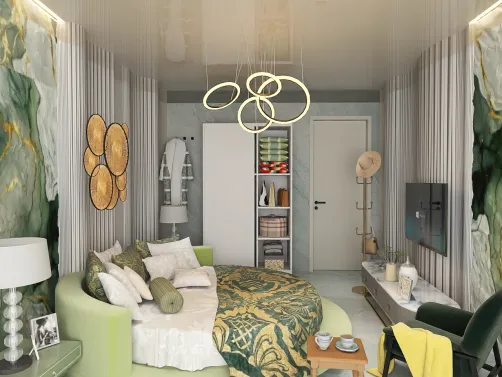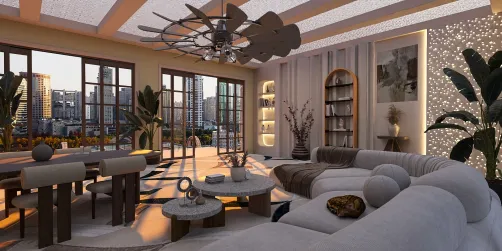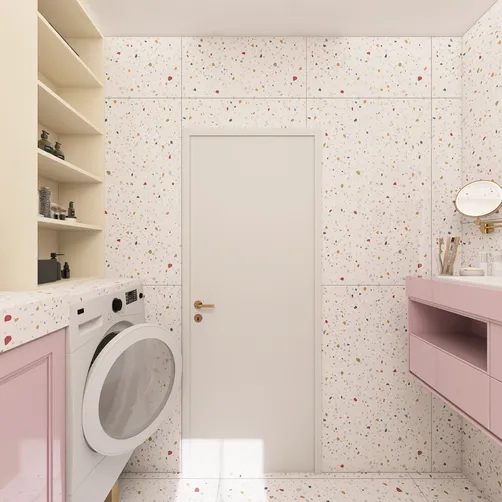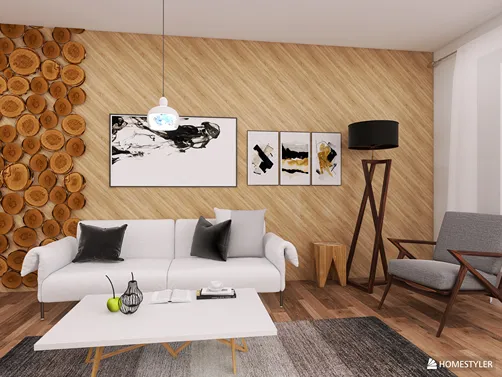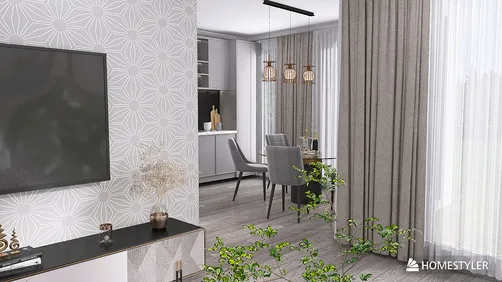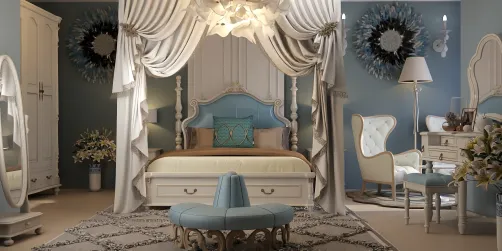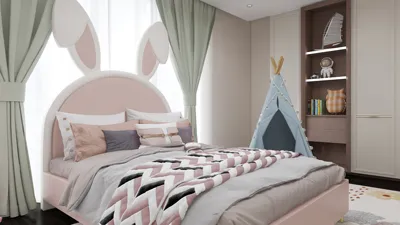
3D rendering represents a transformative approach in product design, enabling designers to craft and visualize their ideas with remarkable precision and depth. Whether you're involved in designing innovative gadgets, creating bespoke furniture, or developing intricate jewelry, 3D rendering offers the power to produce realistic representations of your product before it is physically realized. This innovative technology not only boosts creativity but also allows for meticulous planning of every aspect, significantly minimizing the likelihood of expensive modifications during production.
Exploring 3D Rendering in Product Design
To truly grasp the advantages of 3D rendering, it's vital to recognize its underlying process. Essentially, 3D rendering transforms three-dimensional models into two-dimensional images. These models are generated using computer-aided design (CAD) tools, which empower designers to adjust shapes, textures, and lighting to create the perfect visual representation. The resultant render can present the product in diverse settings, assisting clients in imagining how it integrates into their daily lives.
Advantages of 3D Rendering in Product Design
1. Superior Visualization: Through 3D rendering, stakeholders receive hyper-realistic visuals that clarify both the aesthetics and functionality of the product.
2. Cost-Effective Solutions: Detecting design errors early can lead companies to save considerably on manufacturing expenses while avoiding costly modifications later in the production cycle.
3. Marketing and Showcasing: High-quality renders can effectively enhance marketing efforts, presentations, and online product showcases, enticing potential buyers with captivating visuals.
Strategies for Successful 3D Rendering
1. Utilize Quality Models: Begin with high-grade 3D models to guarantee that your renders exude professionalism and sophistication.
2. Emphasize Lighting: The impact of proper lighting on your render cannot be overstated. Experimenting with various lighting configurations will help to showcase your product's distinct features effectively.
3. Add Realistic Textures: Incorporating lifelike textures can significantly elevate the visual appeal of the product, making it feel more concrete and relatable.
Software Solutions for 3D Rendering
Numerous software programs are available for 3D rendering, each with unique advantages:
Conclusion
The integration of 3D rendering into the product design workflow is rapidly evolving from a novel concept to a widely adopted standard that enhances innovation, efficiency, and promotional effectiveness. By harnessing this technology, designers can craft products that not only fulfill practical requirements but also connect with consumers on an emotional level through platforms like Homestyler.
Frequently Asked Questions
Q: How does 3D modeling differ from 3D rendering? A: 3D modeling is about creating a three-dimensional representation of an object, whereas 3D rendering involves producing a two-dimensional image from that model.
Q: Is 3D rendering suitable for marketing? A: Certainly! Stunning 3D renders are ideal for marketing, offering visually attractive images that can capture customer interest and effectively highlight product features.
Q: What is a good beginner-friendly software for 3D rendering? A: Programs like KeyShot and Blender are excellent for newcomers, offering user-friendly interfaces and invaluable resources to help them create impressive 3D renders.
Welcome to the Premier Home Design Software















![Design [4]](https://hs-designs.homestyler.com/production/design/images/07c2de3a-88ec-4be8-8910-ff255b795bc2/1731419398293/7841697.jpg?x-oss-process=image/resize,w_502,m_mfit/format,webp)