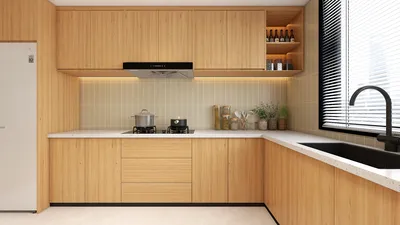


As we look towards the future, today's households are grappling with the challenges of multigenerational privacy, effective heat management, and optimal storage solutions. I view floor plans as early signs of what is to come. Insights from Houzz indicate that flexible living spaces and storage efficiency are consistently at the forefront of renovation priorities, which aligns perfectly with the designs of three-floor traditional house plans from Kerala that I have in my collection of prototypes. In this context, the home evolves into a dynamic interface, and I engage in the design process with the precision of an engineer combined with the creative touch of a poet, utilizing my spatial reasoning toolkit.
Ground Level Courtyard Spine
Design Thinking: A central nadumuttam serves as the core for thermal efficiency and social interaction, harmonizing the monsoon airflows with community gatherings; this vernacular grid aligns with future adaptability.
Flow: The movement goes from entry to verandah, then on to the courtyard, living room, dining space, and kitchen. This clear pathway effectively separates guests from private areas, ensuring smooth transitions.
Sightlines: The design features layered visual connections from the verandah to the courtyard and pooja room, creating a user interface of thresholds and gentle openings.
Storage Solutions: Built-in thaalam shelves, under-stair storage, and a concealed pantry—these setups enhance capacity in consideration of seasonal variations and practical needs.
Furniture Integration: Slim teak settees, 900mm dining space clearances, and a modular pooja pedestal—these elements are designed to work seamlessly with the flow of the home.
Conclusion: This foundational level operates like a stable server that supports daily activities and rituals while being prepared for future enhancements.
save pin
Second Level Family Grid
Design Consideration: Bedrooms encircle a shared lounge, creating a privacy-enhancing algorithm that caters to studying, telehealth, and peaceful caregiving.
Flow: The movement flows from the stair hub to the family lounge, then to the bedrooms and balconies, facilitating efficient, collision-free circulation.
Sightlines: Carefully controlled angles from the lounge to the doors enhance connectivity, while balcony views act as notification spaces that do not disrupt concentration during deep work periods.
Storage Features: Wardrobe walls, linen closets, and lofted areas over corridors create a hierarchical memory structure that keeps the living space uncluttered.
Furniture Design: Bed modules of 1600mm, 600mm study desks, and breathable cane chairs are designed with cross-ventilation in mind, balancing usability and comfort.
Conclusion: This level is designed with the future in mind, accommodating hybrid learning environments and aging-in-place scenarios, providing a calm and resilient atmosphere accommodating changes over five years.
save pin
Third Level Monsoon Terrace Lab
Design Concept: A semi-open thinnai with sloped clay tiles transforms rainfall into an engaging performance, with solar and water collection nodes fine-tuning the system for future needs.
Flow: The pathway leads from the stairs to a multipurpose studio, then to the terrace garden and utility edge, effectively routing spaces for relaxation, exercise, and micro-work.
Sightlines: Expansive views framed by the sky, parapet cutouts, and trellis shadows create an elevated user interface that enriches the horizon perspective.
Storage Options: Weather-resistant benches, a garden tool storage area, and foldable exercise mats—these resources are strategically placed for immediate access during activities.
Furniture Setup: Lightweight charupadi, 1200mm of yoga space clearance, and modular outdoor tables are calibrated to withstand wind and rain challenges.
Conclusion: The terrace functions as a research and development space—experimenting with climate routines, wellness practices, and community interactions while maintaining design integrity.
save pin
Final Thoughts
The designs of three-floor traditional house plans from Kerala represent a departure from mere nostalgia towards the creation of robust interfaces that support family activities, address climate considerations, and enhance ritual practices. In my Kerala-inspired designs, elements like the nadumuttam, verandah, and terrace work together like sophisticated software layers, compiling traditional wisdom for contemporary mixed-use living. The most intelligent three-level homes will not necessarily be larger; rather, they will focus on intentional airflow, distinct thresholds, and smart storage solutions. In my experience, even small spatial choices can significantly transform how families live and interact.
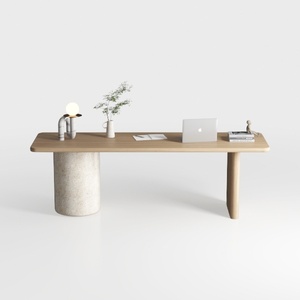
Minimalist Japandi Solid Wood Concrete Office Desk 3D Model
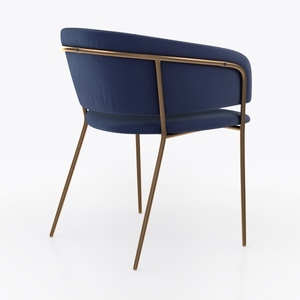
Modern Navy Velvet Gold Metal Frame Armchair 3D Model

Minimalist Boucle Fabric Armchair 3D Model
Looking to transform your home? Homestyler is your go-to online platform! With its user-friendly design tool, stunning 3D renderings, and inspiring DIY video tutorials, you can easily create and visualize your dream space. Start designing today and make your vision a reality!
立即免费设计
































