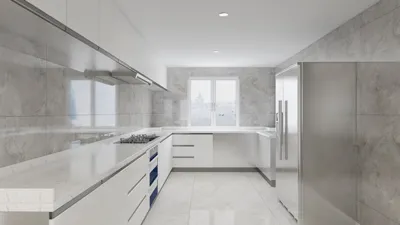


Transforming conventional corridors and lobbies through modular hall design enhances these spaces into dynamic, inviting, and multifunctional areas without the need for extensive renovations. In my work, I often find that halls serve a broader array of purposes than anticipated, such as serving as arrival spaces, navigation points, areas for quick interactions, displays, storage, and sometimes even quiet retreats. Gensler’s U.S. Workplace Survey revealed that merely 43% of employees feel their work environments are adequately accommodating hybrid activities. This highlights the importance of designing transition areas like halls with versatility in mind. The WELL v2 standard emphasizes the significance of circulation quality and light, indicating specific performance standards for glare reduction and illumination levels that significantly contribute to comfort and cognitive function.
Lighting plays a crucial role in modular hall functionality. The Illuminating Engineering Society suggests aiming for 100–200 lux for basic hall circulation; however, I advocate for a brighter 200–300 lux when these spaces serve as collaboration or display zones, with warmer lighting at 3000–3500K in relaxation areas and neutral-white lighting at 3500–4000K for clearer navigation and signage. Research by Steelcase has demonstrated that providing users with choices and control over their lighting can lead to increased engagement. I've witnessed this firsthand when users can easily adjust lighting for brief discussions or quiet passages. For effective glare management, it's beneficial to combine indirect wall washing with low-glare downlights while offering users simple dimming controls for quick tasks (pause, conversations, reviews).
Design Intent: From Passage to Purpose
Halls represent valuable real estate within a layout. I begin by mapping the user journey, outlining cues for entry, visual anchors, circulation patterns, activation zones, and reset points. Visual anchors such as artwork, plants, or distinctive lighting create memorable touchpoints, while activation zones equipped with seating, high tables, and wall recesses foster spontaneous use. When a hall is meant to serve various functions—be it a gallery space, collaborative area, or waiting zone—modular components can facilitate quick and clean transitions. For preliminary test fits or adaptive planning, utilizing a room layout tool such as Homestyler can expedite iterations and ensure optimal sightlines.
Planning Ratios and Flow
I strive to maintain a clear pathway width between 48–60 inches for one-directional traffic, which can expand to 72–84 inches for two-way navigation and micro-gathering scenarios. For collaboration pathways, I incorporate 24–30-inch deep alcoves or bays at intervals of every 20–30 feet to prevent obstruction of the main route. Introducing rhythm into these spaces combats visual fatigue, alternating solid and open segments at a 1:2 or 1:3 ratio (activation to circulation). Utilizing variations in ceiling design—such as slatted bands, soft cove lighting, or acoustic treatments—can define zones without straining financial resources or requiring added walls.
Modular Components That Work
- Mobile benches designed with integrated power (concealed side grommets, USB-C) for brief stops.
- Compact storage towers on wheels for rotating displays, personal protective equipment, or event kits.
- Magnetic display rails and snap-on acoustic panels for simple updates during brand refresh initiatives.
- Foldable cafe perches set at 42 inches high to promote brief collaboration without excessive crowding.
- Versatile lighting tracks where fixtures can be readjusted as the layout evolves, ensuring that maintenance is easily manageable.
Light, Color, and Comfort
Effective lighting strategies should consist of wall washing for direction, task lighting for nook areas (300–500 lux), and soft cove illumination for tranquility. Color selection is crucial: According to Verywell Mind, shades of blue and green can evoke calmness and concentration, while warm tones can enhance the sense of warmth and sociability. I opt for muted greens along extended corridors to minimize fatigue, enhancing them with warm wood finishes and bronze accents at strategic pause points to signal rest areas. Ensure a Color Rendering Index (CRI) of 90+ in proximity to artworks and signage. To manage glare effectively, maintain balanced luminance ratios and avoid placing high-output lights directly above glossy flooring.
Acoustics in Narrow Volumes
Halls can amplify sound significantly. Aim for a reverberation time (RT60) of 0.4–0.6 seconds in collaborative paths and 0.6–0.8 seconds in standard corridors. Break up parallel surfaces with acoustic baffles overhead, felt fins on one wall, and upholstered touchpoints. For areas with wheeled traffic, it’s wise to choose resilient flooring that provides a 15–20 dB reduction in impact sound. Ensure that the edges of panel systems are sealed and include soft-close features on storage solutions.
Ergonomics and Human Factors
Even short visits can benefit from ergonomic considerations. Seat heights should be around 17–18 inches, with perches at 28–30 inches (when seated) and 41–43 inches (when standing). The edges of handrails should have a gentle radius to alleviate pressure on forearms. When incorporating display technology, position screens at a height of 48–52 inches above the floor for most standing users, tilting them 5–10 degrees to reduce glare, while maintaining 36 inches of clearance in front for accessibility.
Material Strategy and Sustainability
Choose finishes that are both durable and easy to clean: high-pressure laminate or compact laminate for high-touch areas, PET or mineral acoustic felt made from recycled content, and water-based low-VOC paints. Ensure that flooring transitions are level; for visual zoning, alter tone rather than thickness. In high-slip scenarios, specify a minimum of 0.42 DCOF for wet locations. To enhance the biophilic effect, integrate real or preserved plants near daylight sources; where this isn't possible, opt for textured wall coverings that mimic natural textures to soften the corridor experience.
Wayfinding and Psychological Safety
Wayfinding should be instinctive: gradually reveal information from macro signage to more subtle floor cues. Implement contrast ratios that adhere to common legibility standards and ensure even illumination for signs. Psychological safety improves when individuals can predict their surroundings—consider installing low-profile mirrors at blind corners or utilizing partial glazing bands to maintain clear sightlines. Activate dead ends with art or small seating areas to avoid the impression of a purely functional passage.
Power, Data, and Flexibility
To future-proof a hall, ensure power outlets are located where individuals tend to pause. I recommend spacing integrated power sources at 12–16 feet along active edges. For transient events, distribute additional ceiling boxes on separate circuits, each with extra capacity. Strategically plan wireless access points, maintaining open sightlines to avoid interference from metal installations.
Daylight and Glare Control
When halls are adjacent to windows, natural light can be both an asset and a challenge. Maintain baseline illumination at 200–300 lux using sensors that adjust electric lighting. Incorporate microprismatic lenses or sheer fabric bands to mitigate angle glare at 20–40 degrees. If the hall functions as an exhibition space, consider installing motorized shades connected to a simple preset to shield exhibits while maintaining a bright atmosphere.
Quick Layout Scenarios
- Collaboration Spine: 72–84-inch clear pathway, 24–30-inch deep alcoves, accommodating 4–6 seats per 30 feet, targeting lighting at 300–350 lux at activation points.
- Gallery Corridor: 60-inch clear pathway, continuous wall washing at 200–250 lux, with CRI 90+, and perimeter plug points.
- Event-Ready Lobby Hall: 96-inch clear pathway, mobile storage tucked behind a slatted screen, ceiling boxes spaced every 12–16 feet, along with dimmable track lighting for focused presentations.
Rapidly test various layouts and sightlines using a visualization tool like Homestyler before making permanent modifications.
Common Pitfalls to Avoid
- Overcrowding pathways, hindering access for wheelchairs and service movements.
- High-contrast glare that detracts from the legibility of signage.
- Acoustic dead zones that accumulate noise near doorways.
- Reflective flooring beneath downlights causing visual distraction and fatigue.
- Insufficient electrical outlets at regular intervals along long corridors—leading to clusters that obstruct movement.
Implementation Checklist
- Verify unobstructed widths for peak periods of traffic and service access.
- Layer lighting effectively: wall wash, task lighting at nodes, and ambient glow; confirm lux levels through field assessment.
- Identify activation nodes early, ensuring both structural and electrical reserves are available.
- Combine durable, low-VOC materials with at least one sound-absorbing surface to optimize acoustics.
- Incorporate flexible elements—mobile seating, adjustable track lighting, and modular display systems.
- Establish a clear wayfinding hierarchy at the outset; synchronize with lighting to minimize shadows on signage.
- Conduct a week-long post-occupancy evaluation to refine lighting and furniture arrangements.
FAQ
Q1: What is the ideal illuminance for a modular hall?
A1: For basic circulation areas, aim for 100–200 lux; however, for multifunctional halls, target a baseline of 200–300 lux with enhanced levels of 300–500 lux in activity zones to facilitate reading, sketching, or brief reviews.
Q2: What color temperatures are optimal for halls?
A2: Utilize 3500–4000K for navigation and clarity, and 3000–3500K near lounge or art areas for a warmer ambiance. Consistency within each zone is key to avoiding visual flicker.
Q3: How can I minimize glare on shiny floors and signs?
A3: Transition to indirect wall washing, decrease beam angles, utilize matte finishes or low-sheen coatings on floors, and ensure luminaires are out of direct sightlines to signage.
Q4: What acoustical strategies are effective in narrow corridors?
A4: Use a combination of ceiling baffles, one-sided felt treatments, and upholstered seating options. Target an RT60 of 0.4–0.6 seconds for collaborative environments to maintain clarity while controlling sound levels.
Q5: How can I add seating without limiting circulation?
A5: Implement shallow (24–30-inch) alcoves and perches at 42 inches. Maintain a minimum clear route of 48–60 inches, widening to 72 inches where two-way traffic occurs frequently.
Q6: Which materials balance durability and eco-friendliness?
A6: Use high-pressure laminate in high-impact areas, PET acoustic felt incorporating recycled material, low-VOC paints, and durable flooring with safe slip resistance (≥0.42 DCOF in potentially wet areas).
Q7: How frequently should power outlets be placed?
A7: Position outlets every 12–16 feet along activation edges, complemented by additional ceiling boxes on separate circuits for events. Ensure USB-C support is integrated into mobile seating for efficient charging.
Q8: What is the most effective method for testing different hall layouts?
A8: Rapidly create iterations to assess sightlines, lighting falloff, and potential traffic bottlenecks, using an interior layout planner like Homestyler to simulate user experience before production.
Q9: Is it possible for halls to accommodate micro-meetings without excess noise?
A9: Yes—strategically position activation nodes away from doorways, use sound-absorbing back panels, and limit seating capacity at each node to 2–3 individuals to minimize noise propagation.
Q10: How can I create the illusion of a shorter corridor?
A10: Introduce rhythmic patterns: alternate ceiling treatments, texture segments, and activation points at intervals of 20–30 feet. Position a centerpiece or artwork at the corridor’s end to encourage movement.
Q11: Are track lights appropriate for modular hall designs?
A11: Definitely. Utilize low-glare, adjustable fixtures mounted on a continuous track, allowing for easy re-aiming for new displays or events without the need for rewiring.
Q12: What is a strategic wayfinding approach for hybrid workspaces?
A12: Combine prominent signage with subtle floor indicators and a consistent color scheme. Ensure adequate contrast and uniform lighting so that signs remain legible from various arrival angles.
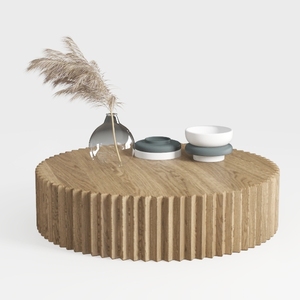
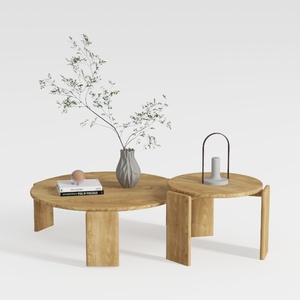
Minimalist Solid Wood Round Nesting Coffee Tables 3D Model
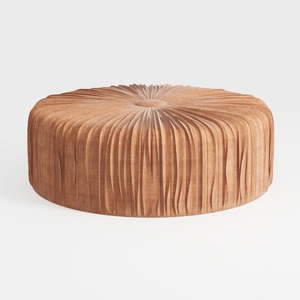
Minimalist Round Tufted Fabric Ottoman 3D Model
Homestyler is an amazing online platform for anyone looking to transform their home. Its user-friendly design tool allows you to create stunning spaces, while impressive 3D rendering helps visualize your ideas. Explore a wealth of design projects and DIY video tutorials to inspire your creativity.
今すぐ无料でデザイン
































