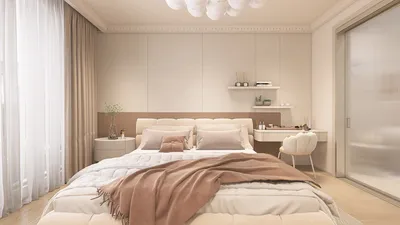


Transforming a teenage bedroom can be as simple as applying the right wallpaper, which can take the space from bland to uniquely personal over a weekend. It's important to select designs and textures that resonate with a teen's personality while allowing for evolution as their tastes shift. Wallpaper not only adds aesthetic value but also affects elements such as light reflection, sound absorption, and concentration levels. Research from Steelcase highlights that well-designed spaces can enhance overall wellbeing and engagement, meaning a bedroom should balance visual excitement with areas dedicated to relaxation and study. In terms of lighting, aligning the wallpaper finish with recommended ambient illumination levels helps minimize glare, making the room suitable for reading, gaming, or unwinding.
The selection of colors is key. According to insights from Verywell Mind on color psychology, shades like blue and green evoke calmness, while yellows can invigorate—crucial for delineating spaces meant for sleeping, studying, and creative pursuits. Furthermore, I consider WELL standards that emphasize visual comfort, aiming to prevent eye fatigue from prolonged screen usage. For a comprehensive refresh or furniture rearrangement, utilizing a room layout designer, such as Homestyler, can aid in visualizing the placement of feature walls and lighting before committing to any adhesive options.
Establishing a Vision: Merging Personal Style with Durability
My approach begins with a two-part strategy: understanding current identity and ensuring future adaptability. As teenagers often experience rapid changes in taste, the chosen wallpaper should accommodate this evolution. Graphics that are bold, painterly stripes, or subtle geometric patterns can create a striking visual presence without confining the room to a specific theme. I advocate for cohesive pattern stories that employ a straightforward color palette consisting of two main colors complemented by an accent, allowing elements such as bedding or desk accessories to unify the aesthetic.
Selecting the Appropriate Wallpaper Type
For those in rental spaces or who anticipate frequent style changes, removable vinyl wallpapers are an excellent choice. They are user-friendly during installation and can be removed easily without damaging the wall when properly prepped. It's wise to test a small section first to check for adhesive strength and color under different lighting conditions.
For more durability in corners and high-traffic areas, consider options with heavier paper or vinyl backing, which tend to handle seams better. When using textured materials like grasscloth or embossed papers, I recommend paste-the-wall varieties for more straightforward application and reduced stretch.
If the room caters to gamers or musicians, materials like cork veneers, fabric-backed vinyls, or micro-embossed wallpapers effectively reduce sound reflections. Pairing these choices with thick rugs and curtains can significantly mitigate noise fatigue and enhance comfort during extended use.
Color Psychology in Action
- Calm focus: softer blues, blue-greens, and grays on study walls help alleviate cognitive load and keep screen glare to a minimum.
- Energize and inspire creativity: warm neutral tones or muted terracotta and blush on a feature wall provide warmth without producing overstimulation.
- Achieving balance: if a teen is passionate about vibrant colors, I suggest concentrating the intensity on one wall while keeping adjacent surfaces lighter for reflectance balance, reducing harsh patches underneath LEDs or task lighting.
Pattern Strategy: Scale, Rhythm, and Balance
The scale of the patterns plays a crucial role in setting the room's mood. Large patterns convey a contemporary vibe; medium geometrics add rhythm, while small repeats are suitable for spaces like shelves or alcoves. It’s effective to align pattern breaks with furniture lines—such as the edge of a desk or width of a bed—to create a harmonious feeling throughout the space. Visual symmetry around beds creates tranquility, while asymmetry near creative areas introduces liveliness. For wallpapers featuring metallic or glossy finishes, testing under actual lighting conditions is essential to avoid glare when reading.
Creating Distinct Areas with Wallpaper
- Sleep area: tranquil colors and low-contrast patterns behind the bed encourage relaxation. When employing stripes, I opt for horizontal designs to give the illusion of space, keeping them subtle to minimize nighttime visual distraction.
- Study area: using a matte finish and medium-contrast pattern behind the desk fosters focus and diminishes the starkness of bare walls during video calls. Shades of blue, green, or neutral tones are particularly effective.
- Expression zone: a single wall adorned with striking patterns or removable photo-collage squares allows for creativity without overwhelming the room's balance. If you're rearranging furniture to establish these areas, using an interior layout tool like Homestyler can greatly enhance your planning process.
Managing Light, Glare, and Screen Use
It's critical to match the wallpaper's sheen to the room's lighting components. Matte or eggshell finishes help reduce glare from LED lighting and rings. For desk lighting, keeping levels between 3000 and 3500K ensures a comfortable atmosphere without harsh blue-light exposure during the late hours. To enhance ambient brightness, consider reflecting light off lighter wallpaper to increase perceived illumination. During application, I avoid placing high-gloss inks directly across from bare bulbs or screens to negate unruly glare.
Durability and Ease of Maintenance
Teen bedrooms experience significant wear and tear from books, cosmetics, and fragrances. For such areas, using vinyl-coated or wash-friendly wallpapers near bathrooms or entry points enhances durability. In households sensitive to allergens, I opt for smoother, low-VOC options over heavier natural materials that can trap dust. Always remember to prime walls with a stain-blocking, wallpaper-compatible primer to ensure smoother removal later on.
Eco-Friendly Choices
Seek out options with FSC certification or those made from PVC-free materials using water-based inks. Grasscloths and recycled-fiber nonwovens add texture while allowing for sustainable decorating. For bold patterns that might not last long in style, consider using them as panels—two framed wallpaper drops can create a compelling visual statement and minimize waste if styles shift over time.
Timeless Themes That Teens Will Love
- Modern botanicals: illustrations of oversized leaves, monochrome floral designs, or line-drawn vines using a two-tone scheme.
- Soft geometrics: friendly designs involving rounded grids and arcs that easily coordinate with bedding.
- Color-block murals: expansive fields of soft colors that feel artistic yet uncomplicated.
- Subtle textures: linen-like weaves, plaster finishes, or decorative micro-dots provide depth while avoiding overwhelming patterns.
- Graphic stripes: wide, color-washed stripes that mimic the height of headboards or window frames.
Practical Layout Advice to Prevent Rework
- Center the feature wall with the bed or desk, as opposed to the room itself, to ensure it anchors the space for daily usage.
- In cases of pattern transition to paint at inside corners, stopping the wallpaper pattern keeps the edges clean and avoids complex alignments.
- Envelop low-contrast textures around smaller spaces to avoid jagged transitions and disjointed visuals.
- For rooms with low ceilings, consider vertical pinstripes or a soft tint on the ceiling that corresponds with the wallpaper to elevate the perception of height.
Insights on Installation
- Order extra material, approximately 10–15%, to account for pattern matching and potential future repairs.
- Begin from the most visible corner of the room, working outward toward less noticeable edges for a polished look.
- Slightly warming peel-and-stick materials with a hairdryer at outlets and corners promotes a solid bond.
- Ensure freshly painted walls cure fully—typically two weeks—before applying wallpaper.
Cost-Effective Strategies
Make strategic use of wallpaper: whether behind the bed, within a converted closet-study, or as framed panels. Pair a luxurious wallpaper design with painted sections to maximize aesthetic appeal. Removable wallpaper options create opportunities for seasonal updates—especially beneficial as teens transition from high school to college, as it allows for change without extensive renovations.
Checklist Before Purchasing
- Lighting: check how swatches look under your actual lamps and LED fixtures.
- Sheen: opt for matte or eggshell finishes for screen-heavy environments; avoid high gloss where task lighting is present.
- Pattern scale: select patterns that harmonize with wall dimensions and furniture design.
- Durability: ensure the papers are scrubbable in areas with heavy use.
- Sustainable options: prioritize FSC-certified or PVC-free materials whenever feasible.
- Planning: utilize a digital layout tool like Homestyler to visualize the feature wall before proceeding with your design.
Frequently Asked Questions
Q1: Which wallpaper colors are ideal for a study-oriented teen?
A: Cool, muted hues of blue and green enhance focus, paired with matte textures to minimize glare. Maintaining moderate contrast and utilizing warm lighting (around 3000K–3500K) improves comfort for late-night study sessions.
Q2: How can I select the right pattern scale for a small bedroom?
A: Opt for medium to large patterns that feature considerable negative space, which can create a more open feel. Avoid overly intricate designs on all walls; placing a sizable motif on one wall while keeping adjacent ones lighter can cultivate a spacious ambiance.
Q3: Do peel-and-stick wallpapers offer enough durability for teenagers?
A: High-quality peel-and-stick options hold up well when applied to smooth, well-prepped walls. For frequently used areas or textured surfaces, traditional paste-applied vinyl or fabric options may prove more durable and better at concealing imperfections.
Q4: How can I reduce glare for content creators and gamers?
A: Select matte or low-sheen wallpapers, avoid reflective inks across from screens, and strategically position LED lights with diffusers. Always test swatches under your actual workspace lighting before fully committing.
Q5: What’s the best approach to zoning a teen room using wallpaper?
A: Utilize soothing tones behind the bed, a matte mid-contrast backdrop at the desk for online classes, and a more daring design for an expressive wall or framed area. Align pattern transitions with furniture edges to maintain visual simplicity.
Q6: Can wallpaper enhance acoustics?
A: Yes, thicker or textured wallpaper options—like cork or fabric-backed vinyl—are effective at diffusing sound. Combining these materials with plush rugs, curtains, and soft furnishings significantly reduces echo in spaces designed for games or music.
Q7: What sustainable wallpaper options should be considered?
A: Look for FSC-certified papers, PVC-free options, and those with water-soluble inks. If longevity is a concern, limit bold designs to easily replaceable panels to maintain style without excess waste.
Q8: How do I tie bedding and furniture to wallpaper themes?
A: Extract two primary colors and one accent from the wallpaper to coordinate with bedding and chairs. Maintain a neutral tone for larger furniture pieces to create a versatile backdrop, enhancing the space's character with lamps, art, and bulletin boards that evolve alongside the user.
Q9: Any suggestions for low ceilings?
A: Contemplate vertical pinstripes or a gentle ceiling color derived from the wallpaper to amplify height perception. Make sure to balance darker ceilings with light walls and ample illumination.
Q10: How much wallpaper should I purchase?
A: Carefully measure the space and factor in an extra 10–15% for pattern matching and potential future repairs. If dealing with large patterns or if you're inexperienced with installation, it’s safer to add more to your order.
Q11: How can I minimize the appearance of seams?
A: Opt for paste-the-wall nonwovens or heavier vinyl options, which provide better seam appearance. Ensure walls are smooth and well-primed, following the installation guidelines thoroughly. For distinctive patterns, it's best to start your application in the least visible corners to perfect the technique.
Q12: Is it possible to wallpaper just a portion of a wall?
A: Certainly! Framing two or three panels with simple molding can create striking oversized art pieces. This strategy is budget-friendly, easily removable, and perfect for showcasing vibrant designs.
Homestyler is your go-to online home design platform! With its user-friendly design tool, stunning 3D renderings, and a wealth of design projects and DIY video tutorials, you can effortlessly create and visualize your dream space. Start your design journey today!
Projete agora para LIVRE
































