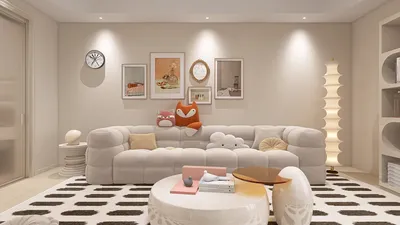


POP (Plaster of Paris) fall ceilings can elevate a living space, transforming it from mundane to remarkable by providing clarity, enhancing acoustic comfort, and allowing precise control of lighting. I view a POP ceiling as a subtle framework that harmonizes proportions, circulation, and ambiance. When combined with layered lighting and a restrained color palette, it serves as an effective overhead canopy—concealing services, modulating sound, and directing focus. Incorporating tools such as Homestyler can help visualize these transformations before implementation.
Effective ceiling designs prioritize functionality. The WELL v2 Light concept advocates for sufficient illuminance for visual tasks and glare management to minimize eye strain; maintaining balanced ambient light levels of 200–300 lux in social areas and 500 lux on reading surfaces significantly enhances comfort. According to Steelcase research, environments characterized by adjustable lighting options and controlled noise levels can boost perceived productivity and satisfaction; these principles are equally applicable in residential settings where the drawing room serves as a social hub and workspace. By adjusting ceiling layers, I create adaptable lighting scenarios while ensuring that fixtures remain out of direct sightlines.
Proportion is key in design. The relationship between ceiling height and room width determines whether elements such as recessed trays, floating bands, or coffered grids impart a sense of spaciousness rather than density. Typically, a ceiling height of 9–10 ft is compatible with a subtle POP tray featuring a shallow drop of 4–6 inches, whereas taller rooms may support deeper tiers. Warm, low-saturation whites (2700–3000K lighting) promote a welcoming atmosphere and alleviate visual fatigue, while cooler whites (3500–4000K) enhance art displays and evening reading conditions. I often choose to paint POP ceilings in a warmer off-white, slightly contrasting with the walls to guide the eye upwards gently.
Layered Tray Ceilings for Subtle Drama
A two-tier tray ceiling produces a gentle gradient from the edges toward the center. I incorporate indirect LED strips in the upper recess to provide an ambient glow and position dimmable downlights over seating areas. The inner tray’s geometry can be designed to reflect a rug’s shape, anchoring the furniture layout. Utilizing a room layout tool, such as Homestyler, assists in aligning ceiling structures with seating arrangements and artwork walls.
Floating Bands with Shadow Gaps
Floating POP bands, separated by defined shadow gaps, introduce a refined contemporary aesthetic. Align these bands with significant axes—like the sofa wall and window line—to lead the eye and diminish visual clutter. Concealed linear fixtures that shine into the gap provide low-glare ambient light, while minimal pin lights highlight conversation areas. This design is particularly suited for achieving a clean ceiling with layered appeal.
Coffered Grids for Structure and Acoustics
Lightweight POP coffers establish rhythm, conceal systems such as sprinklers or speakers, and diffuse sound gently. It's advisable to keep the grid size modest, opting for 3x3 or 4x4 coffers with 3–4 inch beams finished in micro-textured paint for enhanced acoustic performance. For rooms intended for movie nights, consider lining recessed areas with acoustic fabric panels behind perforated POP to minimize echo without adding excessive bulk.
Peripheral Recess for Wall Washing
A continuous peripheral recess facilitates wall washing—ideal for showcasing artwork and creating the illusion of height. I position linear luminaires 12–18 inches away from the wall for uniform light distribution and configure dimming settings for varied modes tailored to social, reading, and media environments. This strategy illuminates vertical surfaces, enhancing spatial perception while keeping the central area subdued.
Curved Profiles and Soft Corners
Gentle curves in the POP structure soften the room's outlines, making them perfect for drawing rooms designed for extended conversations. Rounded band edges and elliptical tray centers can mitigate harsh shadows, especially beneficial when glossy finishes or metallic accents are present, to minimize glare. Curved profiles complement warm 2700K LED strips and low-lumen decorative pendants effectively.
Centerpiece Niches for Statement Lights
A small POP niche can elegantly showcase a chandelier or sculptural pendant. It's crucial to ensure the luminaire’s diameter is proportionate to the niche, generally ranging from 0.5 to 0.6 times the length of the coffee table for a balanced appearance. I often add a subtle concentric ring to enhance depth, complemented by discreet downlights around the perimeter to avoid overwhelming the center.
Minimalist Monoplane with Integrated Lines
When the architectural elements are striking, a single POP plane with embedded linear channels appears clean and modern. I recommend aligning these lines along movement paths to facilitate circulation and avoiding placing luminaires directly above screens to reduce reflections. This approach is optimal for compact spaces with limited ceiling height, utilizing 3000–3500K LEDs and high CRI for accurate color rendering.
Contrasting Color Bands
Incorporating a subtle contrast band—such as a warm greige next to off-white—adds depth without overwhelming ornamentation. A slim reveal paired with upward-facing linear lights will reflect off the main ceiling, maintaining a low color contrast (ΔE modest) to promote serenity; the objective is to achieve a calm visual hierarchy, steering clear of sharp delineations.
Integrated Services: HVAC, Speakers, and Wiring
POP fall ceilings elegantly conceal essential services such as HVAC vents and wiring. I group service entry points within neutral ceiling areas, ensuring that supply and return flows are balanced to prevent drafts in seating zones. Speakers should be recessed within coffers or bands and spaced symmetrically to align with the room's visual flow.
Ergonomics and Human Factors
Ceiling designs can significantly influence user experience. Softer lighting near the edges fosters a relaxed atmosphere for conversation, while brighter task zones enhance reading and games. It's important to maintain clear pathways under the brightest illumination to diminish trip hazards. For multifunctional drawing rooms, I often program distinct scenes—social (200–300 lux ambient), reading (500 lux task), and film (50–100 lux ambient)—to accommodate various activities.
Materials, Finish, and Maintenance
Utilizing premium-grade POP with mesh reinforcement at seams minimizes the risk of cracking. A low-sheen, washable finish reduces glare while making maintenance easier. In areas prone to humidity, it's wise to incorporate moisture-resistant boards in concealed sections and to ensure proper airflow. Employing metal trims for detailing shadow gaps helps maintain sharp lines over time.
Sustainability Considerations
High-efficacy LED luminaires (≥90 lm/W) and dimmable features decrease energy usage. It’s advisable to select drivers that facilitate flicker-free dimming to enhance visual comfort. Choosing low-VOC paints and favoring reversible designs ensures future updates can occur without extensive demolition.
Lighting Design Notes
I create a balance of ambient, task, and accent layers while keeping glare in check. The beam angles of recessed downlights should be consistent—typically between 36 and 60 degrees for living areas—and positioned outside the usual sightlines when seated. Color temperatures should align with activities: 2700K for cozy evenings and 3000–3500K for focus or art clarity. Following best practices from WELL v2 and lighting industry standards helps maintain a space that is both visually appealing and comfortable.
For lighting comfort and glare reduction, I often reference the guidance provided by WELL v2. Insights derived from workplace environments, such as those available at Steelcase's research library, offer valuable context that can be applied to enhancing the comfort of residential social spaces.
Planning the Layout
Before settling on the finer details, I sketch out arrangements for furniture clusters, sightlines, and service routes. It's crucial to align the centers of trays with focal points of seating and to avoid orienting linear fixtures in alignment with reflective surfaces like TVs. Utilizing interior design visualization tools, like Homestyler, helps clarify the interactions between ceiling and furniture configurations.
FAQ
Q1: What ceiling height works best for POP fall ceilings?
A1: Standard ceilings of 9–10 ft are ideal for shallow trays (4–6 inches). Taller areas can accommodate deeper tiers or coffers. In smaller spaces, it's advisable to keep drops modest to prevent a feeling of heaviness.
Q2: How much light should I target in a drawing room?
A2: For social settings, ambient lighting levels around 200–300 lux feel comfortable; aim for approximately 500 lux on surfaces intended for reading. Utilizing dimmable lighting systems enhances flexibility for evening activities and viewing.
Q3: Which color temperature is most flattering?
A3: Warm light in the 2700–3000K range promotes relaxation and complements skin tones well; 3000–3500K yields clearer visibility for art and reading materials. Maintaining a consistent color spectrum throughout layers avoids undesired hue shifts.
Q4: Can POP ceilings assist with acoustics?
A4: Indeed. Coffered designs, curved elements, and micro-textured finishes can effectively disperse sound. If echo is a concern, consider integrating unobtrusive acoustic panels into recessed sections.
Q5: How do I prevent glare?
A5: Implementing indirect lighting within recesses and positioning downlights away from the primary sight lines reduces glare. Selecting well-shielded luminaires with consistent beam profiles ensures even light distribution.
Q6: What’s a reliable method for planning the ceiling around furniture?
A6: Centering trays over seating areas and aligning floating bands with main sightlines (such as the sofa wall or window) maximizes visual harmony. Early visualization with design tools, like Homestyler, assures that fixtures and focal points are appropriately coordinated.
Q7: Are POP ceilings high maintenance?
A7: With reinforced joints and low-sheen washable surfaces, maintenance is relatively straightforward. Regular inspections for minor cracks and ensuring adequate ventilation are key to preventing humidity issues.
Q8: How do I seamlessly integrate HVAC and speakers?
A8: It's best to cluster vent and return systems within neutral zones, balancing airflow to mitigate drafts, and to recess speaker grilles within coffers or shadow-gap bands for a polished aesthetic.
Q9: What about energy efficiency?
A9: Opting for high-efficacy LED lights (≥90 lm/W), implementing dimmable drivers, and selecting finishes with low VOCs contribute to energy conservation. Programming lighting scenes helps reduce energy consumption by avoiding peak output unnecessarily.
Q10: Can I combine decorative pendants with recessed lighting?
A10: Certainly. A modestly sized pendant centered within a POP niche can add character, complemented by dimmable downlights situated around the perimeter to maintain an aesthetic balance and minimize glare.
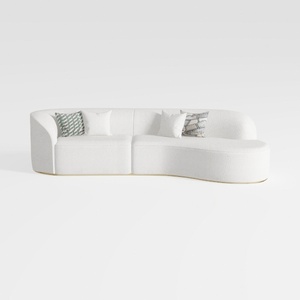
Minimalist Boucle Fabric Curved Sectional Sofa 3D Model
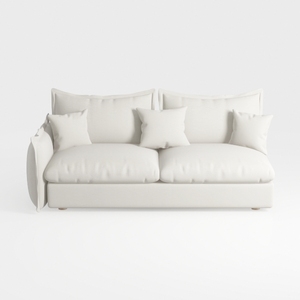
Minimalist White Fabric Loveseat Sofa with Throw Pillows 3D Model
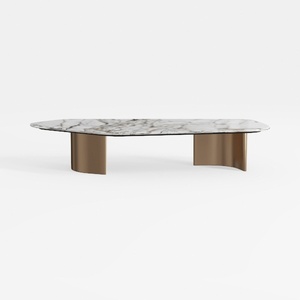
Modern Marble Top Brass Base Coffee Table 3D Model
If you're looking to transform your home effortlessly, Homestyler is your go-to platform. Its user-friendly online design tool, alongside stunning 3D renderings and a wealth of inspirational design projects, empowers you to create beautiful spaces. Plus, the DIY video tutorials make it easy to learn as you design!
Design Now for FREE
































