

When seeking to infuse energy, definition, or a curated focal point into a living room, I often gravitate towards wallpaper accent walls. Selecting the right pattern can effectively anchor furniture, enhance flow, and influence mood, while still maintaining comfort and embracing natural light. A thoughtfully chosen feature wall allows for personal expression with a sense of control—crucial for achieving balanced proportions and long-term comfort.
In spaces designed for prolonged gatherings of 2–4 hours, visual comfort is just as critical as soft seating. Color plays a significant role in shaping emotion and behavior: studies summarized by Verywell Mind indicate that hues like blue and green evoke feelings of calm and stability, whereas yellows tend to promote warmth and optimism. For multifunctional living rooms, these insights can guide both wallpaper selection and placement. Furthermore, the WELL Building Standard emphasizes the importance of visual ergonomics—factors such as contrast, glare, and brightness uniformity—since overstimulation can detract from comfort and concentration. We incorporate these principles within residential designs to minimize fatigue and distractions.
The scale of the wallpaper truly matters. Gensler’s research on workplaces indicates that spaces featuring clear visual anchors and defined zones foster better focus and social interaction; when this concept translates to living rooms, an accent wall serves as a visual anchor that organizes furniture arrangement, frames media elements, and indicates the primary functionality of the room. It's essential to maintain moderate contrast: while a high-contrast pattern behind a television may enhance readability, too much visual activity can compete with content presented on the screen. Strive for a harmonious rhythm between the accent wall, furnishings, and ambient lighting.
Choosing the Appropriate Wall
I typically select the wall that intuitively positions itself as the focal point of the room: this could be behind the sofa, the fireplace, or the media center. If the living space features asymmetrical windows or an awkward nook, directing attention through a wallpaper accent can help balance perception. When planning circulation routes, it's crucial to assess sightlines from the entryway and seating areas to ensure the pattern is easily readable. If you're exploring different layouts, utilizing a room layout tool like Homestyler can aid in visualizing how the scale of the wallpaper interacts with the dimensions of the furniture.
Understanding Pattern Scale and Spatial Ratios
Large-scale patterns work well in expansive wall areas and rooms with high ceilings; they can stretch visual perception while simplifying clutter through fewer, more striking elements. Conversely, smaller motifs are ideal for compact living rooms, particularly when paired with solid upholstery to maintain a serene atmosphere. I recommend that the accent wall comprise about 30–40% of the room’s total visual activity: if the pattern is quite busy, opt for calming elements elsewhere—such as plain curtains, soft textures, and understated artwork. If the wallpaper has a more subtle design, consider layering textures on adjacent surfaces—like bouclé, linen, or ribbed wood—to avoid a monotonous feel.
Exploring Color Psychology in Living Rooms
For versatile, day-to-night living areas, it's wise to select warm neutrals featuring colored undertones—such as mushroom complemented by moss, or sand paired with blush—to maintain adaptability. Shades of blue and desaturated teal encourage tranquility and social interaction, while terracotta injects warmth without being overwhelming. Yellow tones can light up north-facing rooms but should be muted to avoid glare. Greens enhance connections to nature and work harmoniously with biophilic design elements. For rooms catering to both media consumption and reading, it's important to keep color saturation moderate to prevent visual exhaustion while preserving legibility of contrasts.
Incorporating Textured Wallpaper for Enhanced Acoustic Comfort
Subtle textures enrich depth and enhance light diffusion, minimizing specular glare, particularly under focused lighting. Wallpapers made from grasscloth, cork veneer, or fabric-backed vinyl can softening mid- to high-frequency sounds, which is beneficial for lively households. While they do not replace acoustic panels, such options contribute to a sense of softness—especially when balanced with area rugs and upholstered furnishings.
Lighting Considerations: Managing Color Temperature and Glare
Accent wallpaper truly shines under layered lighting. For evening comfort, it's ideal to use warm-white lamps with a color temperature of 2700–3000K; conversely, cooler daylight can be balanced with dimmable fixtures during morning hours. Installing wall washers or angled ceiling lights can highlight textures without causing hotspots. Choosing matte or eggshell finishes for wallpaper can help avoid reflections near shiny media units. Strive for soft luminance ratios—it's best to avoid placing extremely bright task lighting adjacent to a dark, high-contrast pattern, as the eye generally prefers smoother tonal transitions.
Balancing Wallpaper with Furniture and Art
To anchor a patterned wall, consider using a solid-color sofa to prevent visual competition. If the wallpaper features strong geometric shapes, introduce softer, organic forms—such as rounded coffee tables and lamps—to tone down the visual rhythm. You can hang artwork directly on the accent wall, but it's best to keep frames minimal and maintain a consistent color palette to avoid chaos. Alternatively, you could move artwork to adjacent walls, allowing the wallpaper to serve as the primary visual statement.
Coordinating with Flooring, Rugs, and Window Treatments
Wood floors with prominent grain patterns benefit from more subdued wallpaper choices to avoid overwhelming the space visually. If your rug has a pattern, consider reversing the typical dynamics: opt for a patterned rug combined with plain wallpaper, or a plain rug paired with patterned wallpaper. Window treatments should be more subdued than the accent wall—consider sheer or lightly textured fabrics that enhance rather than compete. Ensure there are two repeating color notes throughout the room elements (for instance, a deep green in the wallpaper echoed in cushions and a vase).
Effective Placement Strategies: Fireplace, Media, or Sofa Wall
When placing wallpaper behind the fireplace, be cautious to select heat-resistant materials while avoiding metallic foils that may warp due to heat exposure. For wall space behind televisions, prefer mid-value, low-gloss wallpapers to minimize on-screen reflections. The area behind a sofa often serves as the safest choice, allowing space for art and lighting to frame the overall composition. Corner accent walls can also work effectively in open-plan spaces, using patterns that gradually taper in intensity near transition areas.
Sustainable Material Selection
Choose low-VOC adhesives and wallpapers that have received third-party certifications wherever possible. Natural fiber wall coverings, including jute and grasscloth, bring tactile warmth but should be handled carefully in humid environments. Washable vinyl wallpapers are ideal for families with pets, particularly in high-traffic zones. For those prioritizing longevity, it's best to select classic textures, such as linen weaves or subtle wood-effect prints, which will age gracefully.
Trends to Watch for 2024–2025
The current trends I observe include calming botanical themes, soft geometric shapes, and micro-textures within nearly monochromatic color palettes. Metallic inks are adopting a more subdued aesthetic—favoring champagne or pewter accents over high-chrome finishes. Murals remain popular, but I recommend applying them selectively—one wall, one story only. Gradual color shifts in wallpaper—where hues subtly change across panels—add sophistication without overwhelming the senses.
Installation Guidance and Edge Detailing
Prepare the wall surface by filling, sanding, and priming. Align the initial wallpaper drop perfectly vertical; the subsequent drops will follow that alignment. Consider adding a painted return at outside corners to ensure the pattern ends neatly without wrapping into adjoining areas. For niches, wrap the inside faces with the wallpaper to enhance depth. If there's a possibility of removing the wallpaper later, seek out strippable substrates.
Visualizing Layout and Planning
Before making a commitment, visualize proportions by using blue tape to outline the intended width or printing a scaled section to test how the pattern scales against your furniture. If you are rethinking seating or media placements, use an interior layout tool like Homestyler to assess sightlines and achieve focal balance: a room design visualization tool.
Maintenance Tips for Longevity
Opt for washable finishes in high-touch areas and avoid placing them in direct sunlight to prevent fading; consider using shades or UV-filtering sheer curtains. Spot clean with a damp cloth and mild soap as needed. If a wallpaper panel becomes damaged, keep an extra roll on hand for future repairs, ensuring dye lot consistency for matching purposes.
Expert Insights
The impact of color on behavior is discussed extensively in accessible resources, such as the color psychology information available at Verywell Mind. Simultaneously, visual wellness considerations align with WELL v2 recommendations regarding light, glare control, and comfortable environments. Although these frameworks mainly focus on broader health impacts, they seamlessly translate to residential living rooms when planning accent walls.
Frequently Asked Questions
Identify the wall that naturally forms the focal point of your space—typically found behind the sofa, the fireplace, or the media unit. Confirm sightlines from the entry and primary seating to ensure that the pattern is clear and impactful.
Yes, it can be effective if the pattern's repeat is not overly busy or high-contrast. Opt for medium to small repeats, limit competing patterns, and pair them with solid furniture to maintain a sense of spatial calm.
For evening comfort, I recommend using bulbs with a color temperature ranging from 2700 to 3000K, and incorporate layers of ambient and accent lighting. Position fixtures strategically to highlight textures without causing glare on metallic inks or glossy wallpaper finishes.
Yes, lightly textured materials, such as grasscloth or fabric-backed vinyl, can help soften reflections within mid- to high-frequency ranges. While they are not replacements for acoustic panels, they do enhance perceived comfort.
Keep the number of frames minimal and ensure the color palette remains consistent. Alternatively, consider relocating art to perpendicular walls, allowing the wallpaper to serve as the primary visual element.
For the wall behind a TV, opt for wallpapers that are mid-value, matte, or low-sheen to minimize reflections. Avoid high-contrast micro-patterns that could create visual noise around the screen.
Absolutely, but they should be used sparingly. Opt for a single wall to showcase the mural, ensuring that it aligns with the room's overall purpose. Pair it with neutral furnishings to prevent overpowering the space.
End patterns neatly at outside corners using a painted return. For niches, wrap the inside faces to create intentional depth. Ensure the first wallpaper drop aligns perfectly to prevent cumulative errors.
Favor matte finishes and mid-tone colors to effectively manage glare and fading issues. Utilize sheers or shades to soften intense midday sunlight and safeguard the integrity of the colors.
Selecting washable vinyl or coated nonwovens will help resist stains and simplify cleaning. Combine these with low-VOC adhesives for improved indoor air quality.
Outline the intended area using tape or print a scaled sample to evaluate how the wallpaper interacts with your furniture placements and circulation patterns before making a final decision.
Yes, but it's important to reverse the visual emphasis: use a bold rug with subtle wallpaper or vice versa. Maintain a cohesive color theme throughout the space to unify the overall design.

Modern Minimalist Blue Fabric L Shaped Sectional Sofa 3D Model
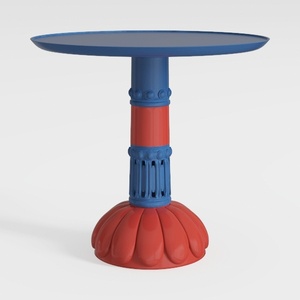

Contemporary Two Tone Decorative Round Side Table 3D Model

Homestyler is your go-to online home design platform for a stunning makeover. With its user-friendly design tool, rich 3D rendering features, and an array of DIY video tutorials, you can effortlessly create and visualize your dream spaces. Start designing today and unleash your creativity!
Zaprojektuj teraz za darmo
































