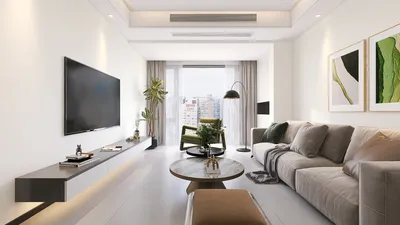


With over a decade of experience in home design, I cherish the joy that wallpaper brings in creating spaces that blend personality with functionality. When utilized effectively, wallpaper can enhance the brightness of a room, minimize noise, and profoundly impact your initial impression as you enter. Notably, color plays a significant role; studies highlighted by Verywell Mind illustrate that yellow tones evoke feelings of optimism and vibrancy, while blue shades promote tranquility and concentration. This is particularly advantageous for achieving a brighter ambiance without the need for harsh lighting. The quality of illumination is equally important; the Illuminating Engineering Society suggests that living areas should aim for a target brightness of around 300–500 lux, a standard that wallpaper can support by improving reflectance and softening glare, especially when combined with tools like Homestyler.
In dedicated home office spaces, insights from Gensler's workplace studies reveal the importance of diversity in visual patterns and personal control on perceived productivity and well-being. A feature wall adorned with a subtle, patterned micro-print can inject variety without overwhelming chaos. Remember to consider WELL v2 standards, which emphasize the creation of comfortable, glare-free environments; while glossy wallpaper choices reflect light, excessive sheen can lead to undesirable hot spots. Opting for a matte or eggshell finish typically results in a more even and brighter light distribution, enhancing the overall atmosphere, a design approach easily visualized using Homestyler tools.
Experimenting with Scale: From Micro-Prints to Bold Designs
Small-scale designs (such as delicate florals, polka dots, or subtle geometric patterns) instill a sense of airiness, ideal for compact bedrooms or narrow hallways. They can visually widen walls and reduce the likelihood of pattern fatigue. Conversely, larger designs—think oversized florals, whimsical scallops, or expansive mural-style images—add a dramatic flair and depth, particularly on feature walls or in rooms with higher ceilings. To gauge placement in a constricted area, utilizing an interior layout planner tool can help you avoid disrupting critical pattern repeats adjacent to doors and windows, a feature readily accessible through Homestyler.
Color Combinations that Encourage Light
In north-facing rooms with cooler light, I prefer warm shades of blush, creamy yellows, or soft apricot wallpapers to counteract bluish tones, adding a touch of warmth. For south-facing spaces, cooler tones like mint green, soft blues, and lavender can manage intense sunlight effectively. For optimal brightness, select wallpapers with a high light reflectance value (LRV)—like muted whites or pastels—and overlay a mid-tone pattern to bring definition without overwhelming brightness. It's also advisable to keep metallic accents subtle and diffuse; a light pearlescent print can enhance brightness without creating glare, complemented by tools like Homestyler for visualization.
Joyful Designs for All Ages
Playful designs do not need to come off as childish. Patterns featuring hand-drawn botanicals, whimsical illustrations of animals, gingham designs, and celestial motifs can feel both fun and sophisticated. I often opt for watercolor-inspired designs as they introduce movement and depth, adding visual interest without being overly loud. For those renting, peel-and-stick wallpaper options offer a playful touch while ensuring you maintain your security deposit. Always search for repositionable adhesives and durable materials to prevent bubbling, a task made easier through the customizable layouts on Homestyler.
Accent Walls Versus Full Room Coverage
Creating an accent wall behind a sofa or bed channels attention where it is most naturally drawn. In particularly confined spaces, using a small print on all four walls can create a cozy atmosphere that blurs the room's boundaries. If low ceilings are a concern, vertical stripes or vine-like patterns can elongate the appearance, while softer horizontal designs can add a friendly feel to tall rooms.
Transforming Ceilings, Niches, and Other Surprising Areas
Don't forget the fifth wall; ceilings can be whimsical spaces for wallpaper. Patterns like clouds or stars on the ceiling can add a delightful lift without cluttering your walls. I also enjoy wallpapering the interiors of bookshelves, alcoves, or wardrobe spaces—these small joyful details can brighten your everyday life. If your room doubles as a workspace, framing a panel of patterned wallpaper behind your desk can provide a neat and appealing backdrop, supported by design tools like Homestyler for planning.
Combining Paint with Wallpaper
Using half-wall applications with a chair rail can keep playful patterns anchored. Paint the lower half in a complementary solid hue and adorn the upper part with your chosen wallpaper; this saves on materials while making a strong impact. Another clever idea is using border tapes or 2–3 inch trims around doors and windows, giving them an attractive ribbon-like effect that elevates simple rooms.
Texture, Softness, and Acoustic Comfort
Textures like nonwovens, grasscloth-style vinyl, or linen fabrics help absorb echoes in rooms with hard flooring. Although dedicated acoustic panels provide significant sound management, even basic textured wallpaper can help mitigate the harshness present in smaller areas. For those sensitive to noise, avoiding high-gloss materials and selecting soft-touch finishes with a fibrous backing can enhance comfort levels.
Eco-Friendly and Low-VOC Options
Seek out wallpapers made from low-VOC inks and PVC-free backing materials. Several nonwoven supports are cellulosic and breathable, aiding humidity control. In spaces like nurseries or small bedrooms, prioritize third-party certifications and water-based adhesives. Sustainability also involves durability—washable and scrub-friendly surfaces will retain brightness longer, thus reducing the frequency of replacements, a factor manageable through design simulations in Homestyler.
Pairing Patterns Harmoniously
Employ a mix of scales without creating chaos: match a micro-dot with a medium gingham, or combine a loose floral with a tiny stripe. Maintain one consistent color across patterns—like a gentle coral—so everything feels cohesive. In tighter spaces, limit your selection to one standout pattern and one supporting texture to preserve visual balance.
Lighting: Enhancing Wallpaper Techniques
Utilize a layered lighting approach: a primary ambient ceiling light aimed at achieving 300–500 lux for general tasks, complemented by warm accent lamps (2700–3000K) that highlight the wallpaper's texture, plus dedicated task lights for reading. Direct wall washers at a shallow angle to minimize glare on semi-gloss finishes. Opt for dim-to-warm bulbs to create a cozy evening atmosphere that enhances the color palette, perfectly synergizing with designs visualized on Homestyler.
Room-Specific Wallpaper Highlights
Opt for soft floral or starry themes behind a bed, using matte finishes and blackout curtains to mitigate glare during mornings.
Choose oversized floral designs on one wall, with micro-patterns on built-in shelving. Maintain understated upholstery to let patterns shine.
In small areas, employ geometric or grid patterns to stabilize focus without overwhelming visual attention. A framed wallpaper panel creates a clean backdrop. If planning desk placement against a patterned wall, using a room design simulation tool like Homestyler can confirm sightlines before committing design decisions.
Peel-and-stick wallpapers make for effortless updates; utilize water-based inks and washable surfaces. Opt for child-friendly designs featuring animals or alphabet patterns to merge playfulness with education.
In high-traffic areas, consider scrubbable wallpapers in stripes or scallops for a corridor's elongation; adding recessed LED lighting can introduce a gentle sheen.
My Tried-and-True Installation Tips
I always recommend ordering 10–15% extra wallpaper to accommodate patterns and for future touch-ups. Start hanging from the main sightline outward, ensuring that seams fall away from focal points. Allow the wallpaper to acclimate for 24 hours prior to installation. For renters, it’s useful to test a small area on painted walls first to ensure clean removability. Additionally, document the lot numbers upon delivery, as different lots can produce subtle color discrepancies when viewed in warm light.
Frequently Asked Questions
Q1: What colors contribute to a brighter feel in a room without the need to repaint?
A1: Wallpapers with high LRV backgrounds—soft whites, creams, pale blush, or mint—are known to reflect more light. Adding a mid-tone pattern can create depth, and opting for matte or eggshell finishes eliminates glare.
Q2: Are glossy wallpapers superior for brightness?
A2: Although they reflect more light and can enhance brightness, glossy finishes might produce hot spots. Choosing low-sheen or pearlescent inks helps balance light and comfort, particularly when complemented with wall washers.
Q3: Which pattern sizes work best in smaller rooms?
A3: Smaller prints and subtle geometrics help in creating the illusion of expanded walls. For a dramatic effect, designate one large-motif feature wall while keeping the other walls subdued.
Q4: How can I pair multiple playful patterns harmoniously?
A4: Combine various scales (small and medium) while maintaining a unifying color across patterns. Restrict selections to one primary pattern plus one supporting texture for compact rooms.
Q5: Can wallpaper assist with sound absorption?
A5: Textured and fibrous wallpapers can diminish harsh reflective surfaces slightly, providing some sound softening. To achieve significant acoustic control, combine these with rugs, curtains, and acoustic panels.
Q6: What illuminance levels are advisable for living areas featuring wallpaper?
A6: Strive for brightness levels around 300–500 lux for general ambience; utilize layered accent lights to enhance texture. Ideally, maintain color temperatures of 2700–3000K for inviting palettes.
Q7: Are peel-and-stick wallpapers durable enough for high-traffic areas?
A7: Quality peel-and-stick products with durable materials and repositionable adhesives perform well on smooth walls. Select easily cleanable finishes, especially beneficial in entryways and children's rooms.
Q8: How can I manage pattern alignment around doors and windows?
A8: Initiate from the primary sightline, organizing cuts in less visible corners. An interior layout planner can assist with aligning furniture and openings pre-installation.
Q9: What wallpapers are best suited for nurseries?
A9: Choose washable wallpapers made from low-VOC and PVC-free materials featuring gentle designs like soft animals, celestial patterns, or delicate florals, finished in a matte style to ensure comfort.
Q10: Will dark, playful patterns make my room appear smaller?
A10: Dark bases can create a cocooning feeling. Balance these with high-contrast trims, lighter fabrics, and layered lighting to ensure the space remains bright.
Q11: How much extra wallpaper should I purchase?
A11: Generally, 10–15% more is advisable to cover pattern repeats, errors, and future repairs—especially crucial for directional patterns.
Q12: What’s the easiest way to experiment with a daring pattern?
A12: Create a removable panel or a sample board, and live with it for a week in varying daylight conditions; capturing photos of the pattern can help assess its appeal within your space.
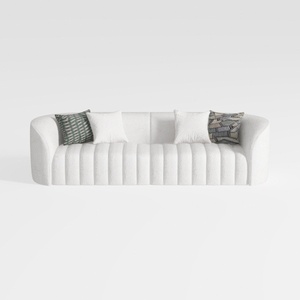
Minimalist Boucle Fabric Channel Tufted Sofa 3D Model
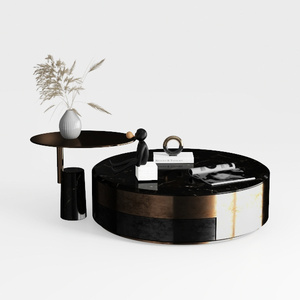

Modern Marble Metal Round Coffee Table and Side Table Set 3D Model

Modern Houndstooth Fabric Black Metal Wood Top End Side Table 3D Model
Discover the ease of home design with Homestyler! This user-friendly platform offers an intuitive online design tool, stunning 3D renderings, and a wealth of inspiring design projects. Plus, with engaging DIY video tutorials, you can transform your ideas into reality effortlessly. Start your design journey today!
Design Now for FREE
































