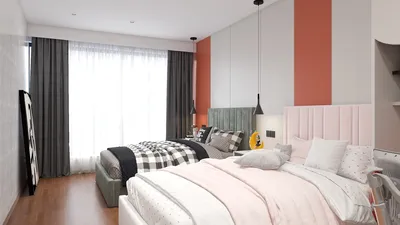


Designing a hotel-style room service tray at home focuses on meticulous arrangement, organization, and ambiance. I view the tray as a miniature stage where every item holds significance, characterized by its placement, height, and function. Beyond aesthetic appeal, a well-planned setup minimizes spills, maintains the temperature of hot dishes, and enhances the overall dining experience, turning it into a truly relaxing occasion.
By emphasizing lighting and ergonomics, you can transform a basic tray into a sophisticated one. The WELL Building Standard suggests that comfortable, glare-free lighting enhances visual comfort, with WELL v2 underscoring the importance of minimizing glare and optimizing task lighting for user contentment. Research from Gensler indicates that elements such as light, acoustics, and ergonomics significantly contribute to user satisfaction and performance, a concept that seamlessly applies to hospitality at home, especially when using tools like Homestyler for visual adjustments.
Color and its psychological effects play an essential role as well. An overview by Verywell Mind indicates that warm colors like soft ambers evoke feelings of coziness, while cooler shades promote tranquility; by strategically balancing both through various linens and accent pieces, you can effectively influence the atmosphere without overwhelming the senses.
Curate the Tray: Scale, Balance, and Hierarchy
I recommend starting with a sturdy tray that measures 16–18 inches across for a single setting—large enough to accommodate dinnerware, glassware, and a petite vase, yet compact enough for easy transportation. Establishing a visual hierarchy is key: position lower items (cutlery roll, napkin) at the base, mid-range items (bread plate, condiments) in the center, and taller pieces (water carafe, floral bud vase) at the top. By placing the tallest items in one corner, the line of sight remains unobstructed over the main plate, ensuring stability with the main plate centered and the beverage either to the upper right for right-handed users or upper left for left-handed users. This subtle ergonomic adjustment aids in reducing overreaches and accidental spills.
Plateware and Linens: Texture Sets the Tone
Select porcelain or stoneware plates with gentle rims that help contain sauces. Using matte glazes minimizes glare during the evening. Pair these dishes with crisp cotton or linen napkins, which serve as a tactile element and noise absorber—the fabric helps soften the sound of cutlery, enhancing the dining experience. For liquid-heavy meals like soup, consider using handled bowls to prevent accidents; a serrated knife should be included in the cutlery roll if steak is on the menu, rather than added as an afterthought.
Cutlery Positioning: Intuitive, Not Fussy
Bundle cutlery within the napkin for easy movement; once unwrapped, arrange the fork to the left, knife to the right, and spoon above or to the right based on the dish being served. Position condiment spoons beside their respective containers to prevent contamination. If you’re preparing a multi-course tray, include a dessert fork and spoon neatly preset in a small sleeve to avoid extra trips.
Beverage Strategy: Temperature and Safety
Opt for lidded cups or pour-over servers with silicone grips for hot drinks, while cold beverages should be served in tempered glass to prevent thermal shock. Ensure that drinks are set back from the edge of the main plate, and use coasters to manage condensation. When serving wine and water, varying their heights can prevent visual clutter: position a lower water tumbler at the front, with a taller wine glass behind.
Lighting and Atmosphere: Hotel Calm at Home
Opt for warm-white lighting (around 2700–3000K) to create a cozy ambiance without bothersome reflections. A small lampshade or adjustable sconce placed near the dining area can enhance visual comfort, consistent with modern lighting standards referenced by WELL. To avoid distractions, limit the use of reflective metal surfaces, opting for matte finishes on trays and plates to prevent eye-catching hot spots.
Acoustic Comfort: Quiet Details That Count
A well-organized setup fosters a pleasant auditory environment: use felt pads under the tray, soft coasters, and fabric-lined cutlery holders. A quiet atmosphere is synonymous with excellent hospitality. For service to a bedroom, reduce noise by placing a non-slip mat underneath the tray.
Spatial Flow: From Kitchen to Bedside
Before plating, plan the route carefully: make sure door swings are clear, verify the stability of nightstands, and prepare a designated area for the tray. When arranging furniture or bedside layouts, I often utilize a layout simulation tool like Homestyler to visualize distances and surface heights for optimal convenience in tray placement.
For service to a single guest, ensure the bedside height of 24–28 inches aligns well with typical seated comfort on mattresses. Position the tray’s front edge flush with the table to prevent tipping and to avoid overhang. When serving in living spaces, secure the tray on a coffee table using a sturdy runner to prevent slipping.
Temperature Control and Food Safety
Warm plates beforehand for hot meals while chilling dessert plates for colder dishes. Lid dairy-based sauces if transporting from kitchen to room takes longer than a few minutes. Use insulated carafes for coffee and tea to maintain their temperature without requiring reheating. Employ a discreet thermometer to ensure meat safety and consistency.
Color Psychology and Styling Touches
Incorporating warm neutrals like beige, caramel, and soft taupe provides a welcoming foundation, while a single cool accent (like a slate napkin or eucalyptus sprig) introduces freshness. Insights in color psychology indicate that warm palettes can enhance appetite and comfort, and bright reds should be reserved for small accents (such as berries or a stripe on the napkin) to prevent overstimulation.
Working With Condiments and Mini Bar Elements
Transfer condiments into small ramekins or containers to maintain visual tidiness. A slim caddy can effectively store salt, pepper, chili flakes, and honey. For rooms with a mini bar, consider adding a small tasting option—such as nuts or olives—in a lidded bowl to preserve aroma and ensure cleanliness during service.
Florals and Scent: Keep It Gentle
A small bud vase filled with lightly scented flowers (like ranunculus, spray roses, or chamomile) adds character without overpowering the meal’s scent. Avoid placing strongly fragrant candles near food; instead, consider a subtle diffuser positioned away from the dining area.
Cleaning, Reset, and Storage
After the service, clear plates into a separate container to avoid lingering odors. Stack dishware by size, wrap cutlery, and store the tray upright on felt spacers to prevent scratches. Maintain a dedicated caddy filled with napkins, coasters, and spare ramekins to facilitate swift and consistent setups for future use.
Sample Tray Layout for One
Center: main plate. Upper right: beverage (water or tea). Upper left: small vase or carafe. Lower left: napkin roll with cutlery. Lower right: dessert plate and spoon. Middle right: condiments in a narrow caddy. This arrangement achieves a balance of mass and reach, minimizing cross-limb movements while keeping sight lines clear.
FAQ
An ideal size is about 16–18 inches wide—sufficient for a full setting yet manageable for service.
Warm-white light around 2700–3000K supports a cozy, hotel-like environment while reducing glare in comparison to cool-white options.
To ensure safe transport, select a sturdy tray with high-friction surfaces, utilize coasters for liquids, and place taller items toward the center instead of the edges.
Position the cutlery on the dominant side (upper right for right-handed users, upper left for left-handed users) to make access comfortable.
Opt for matte porcelain or stoneware plates, tempered glass for cold beverages, and natural textiles like cotton or linen for napkins.
Indeed, but keep them subtle and unscented to avoid clashing with food aromas—think of a simple bud vase with light blooms.
Transfer condiments into small ramekins or jars and neatly store them in a caddy adjacent to the plate’s edge.
Employ a dimmable shaded lamp or a wall sconce with diffused light to eliminate glare, consistent with WELL v2 recommendations for visual comfort.
Absolutely. Consider an interior layout planner to visualize clearance and reach; tools like Homestyler can assist with testing bedside arrangement.
Warm plates for hot meals, chill dessert dishes for colder items, and use insulated carafes for preserving hot drinks.

Minimalist Solid Wood Linen Fabric Extra Long Sofa 3D Model

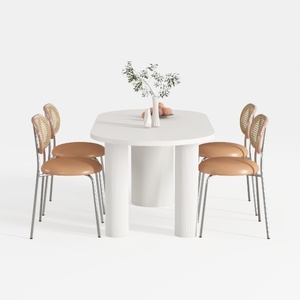
DUOMAY Modern Boucle Dining Chairs Set of 2,
Homestyler is your go-to online platform for transforming home design dreams into reality. With its user-friendly design tool, stunning 3D renderings, and inspiring DIY video tutorials, you can easily create and visualize your ideal spaces—perfect for both beginners and seasoned decorators!
Concevez maintenant gratuitement
































