

I once had a client who wanted their small studio to exude the ambiance of a moody New York loft — while avoiding a cave-like appearance. Initially, my first design draft was too dark, risking the entire project. However, I revised it by utilizing a beloved case study that illustrated how depth and light can harmonize on a dark gray wall. This experience taught me that transforming a small space with dark paint can open up a vast realm of creativity, an idea I often share with clients about using tools like Homestyler for visualization.
1. Combining Warm Gray with Wood and Brass
Pairing a warm, dark gray with oak elements and matte brass fixtures creates a rich atmosphere without a cold feel. The warmth of the wood softens the gray's depth, but it's essential to be mindful: Excess warm tones might age the space, hence the importance of balancing them with bright white accents or cooler textiles.
save pin
2. Two-Toned Walls for Height Illusion
By painting the lower third of the wall in a dark gray and the upper two-thirds in a lighter neutral, you can effectively create the optical illusion of greater ceiling height. This method is budget-friendly and easily reversible, though it requires precise tape lines and a steady hand—or the expertise of a professional painter—to ensure smooth transitions.
save pin
3. Matte Dark Gray in Kitchen Nook
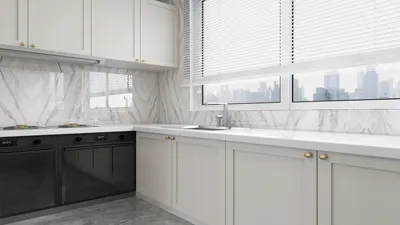
Utilizing charcoal matte on a focal kitchen wall can make open shelving and copper cookware stand out beautifully — creating a striking backdrop that is perfect for photography. To envision this in a cooking layout, I frequently demonstrate kitchen layouts to clients. Bear in mind that matte finishes can show fingerprints more readily, so opt for a slightly washable formulation in high-traffic areas.
save pin
4. Textured Paint or Plaster for Added Depth
When a flat gray appeared too one-dimensional, I recommended using Venetian plaster or a subtle sponge technique. This approach introduces movement without altering the color, adding artisanal charm while concealing minor wall imperfections. However, this method can be more costly and requires a skilled applicator for that refined, layered finish.
save pin
5. Layered Lighting to Enhance Gray Walls
Dark gray can evoke different feelings depending on the time of day, so it’s vital to plan for layered lighting: ambient, task, and accent. I demonstrated this in a small living room where the inclusion of a warm floor lamp and a directional sconce brought the wall to life; however, it's crucial to avoid relying solely on overhead cool lighting, which could make the gray appear dreary.
save pin
Practical Tips & Budget Considerations
An essential principle I follow is to sample large paint panels and observe them for a week under your actual lighting conditions. Factors like paint finish, light direction, and surrounding materials can affect perception more significantly than the color code itself. For a quick overview, consider using Homestyler for an AI-generated room concept or test swatches on a full cardboard sheet; it could save you from repainting hassles later.
save pin
FAQ
Q: Is dark gray paint appropriate for small rooms?
Absolutely, as long as you complement it with vibrant textiles, mirrors, or well-placed lighting. Dark gray can contribute depth and make a small space feel thoughtfully designed rather than cramped.
Q: What paint finish is best for dark gray walls?
Typically, satin or low-sheen eggshell finishes are ideal, as they reflect some light to prevent dullness while concealing wall imperfections better than high gloss. While matte appears luxurious, it may highlight scuffs in areas with high foot traffic.
Q: How do I pick between warm and cool dark gray?
Test swatches during both morning and evening to see how they interact with your main furniture; warm grays may lean towards brown or taupe, while cool grays exhibit blue or green undertones. Your choice should be guided by the colors in your flooring and textiles.
Q: Will dark gray diminish natural light?
While it won't physically reduce the illumination, it may feel darker due to the absorption of light by deeper surfaces. To maintain a vibrant atmosphere, incorporate reflective materials and layered lighting.
Q: Is it hard to repaint over dark gray walls?
Not particularly, but covering deep charcoal often requires a primer or tinted primer to prevent needing several finish coats. Preparing with sample panels can help minimize surprises later on.
Q: Can I apply dark gray on kitchen cabinets?
Definitely — dark gray cabinets can appear sophisticated when paired with contrasting countertops and hardware, although matte finishes tend to show fingerprints. Opt for a durable, easy-to-clean finish for kitchen cabinetry.
Q: Any professional guidance on undertones and lighting?
Certainly — paint manufacturers like Sherwin-Williams recommend testing colors in your specific lighting and provide guidance on undertones; refer to Sherwin-Williams for detailed charts and lighting tests.
Q: How can I mix textiles with dark gray walls?
Incorporate one bold accent color (mustard, teal, or blush) along with a couple of neutrals in varied textures to maintain a layered palette. Rugs and throws offer budget-friendly swaps to refresh the ambiance without the need for repainting.
save pin
Homestyler is your go-to online home design platform! With its user-friendly design tool, stunning 3D renderings, and a wealth of inspiring design projects and video tutorials, you can easily create your dream space. Transform your home design ideas into reality effortlessly!
Design Now for FREE
































