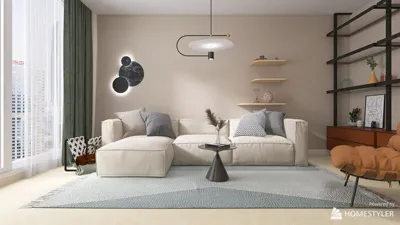


Creating a memorable intimate gathering requires attention to ambiance, comfort, and a well-thought-out flow. In Wilmington, NC, the top small venues seamlessly blend character with essential amenities, featuring aspects like adaptable seating arrangements, warm illumination, and acoustically designed spaces. When tailored correctly, these elements can transform a gathering of 30 to 100 participants into an engaging experience without feeling cramped or underwhelming.
The size of the space is crucial. According to research by Steelcase, the effectiveness of collaboration increases significantly in smaller, well-balanced environments. Varied spatial designs enhance both focus and social interaction for groups of 5 to 25 individuals. Additionally, WELL v2 guidelines suggest maintaining ambient lighting levels between 150 to 300 lux for social gatherings and between 300 to 500 lux for tasks, ensuring attendees feel alert without experiencing glare or eye strain.
Best Small Event Venues in Wilmington, NC
I've compiled a selection of venues suitable for 20 to 120 guests, emphasizing a pleasant atmosphere, flexibility, sound quality, and lighting. Always verify occupancy limits and local regulations prior to making a reservation.
Loft spaces with brick-and-beam architecture in downtown Wilmington provide an intimate setting, featuring high ceilings and versatile floor plans. The natural acoustics of these venues are enhanced with soft design elements such as area rugs and upholstered seating, effectively managing sound reverberation. Aim for a reverberation time of 0.6 to 0.8 seconds for speeches and acoustic performances, with ambient lighting around 200 to 300 lux complemented by adjustable warm-white fixtures (2700–3000K) to maintain a welcoming atmosphere.
Local art galleries serve as fantastic venues for small receptions and pop-up events. The artwork acts as a striking backdrop, while the compact layout benefits from a clean and linear design. For a standing reception catering to 60 to 80 guests, ensure two serving stations are positioned along traffic paths to avoid congestion. Optimal lighting at 3000K with a CRI of 90+ will accurately display art while enhancing the appearance of skin tones.
Charming outdoor courtyards surrounding Wilmington’s historic homes can comfortably accommodate 30 to 70 guests. Factors like wind and external noise must be considered in the design; place your bar and DJ away from adjacent walls to minimize sound reflection. Decorative string lights illuminate the space; aim for a lighting level of 150 to 200 lux overall, with focused light around food stations and pathways. Always have backup plans for inclement weather, such as a small tented area with sidewalls to manage both rain and sound.
Intimate hotel meeting rooms by the riverfront come with built-in facilities like ADA-compliant access, catering services, audio-visual tech, and restrooms. These venues often support banquet or cocktail setups. For an elegantly arranged dinner for 48 to 64 guests, maintain table spacing of 48 to 60 inches to ensure adequate service clearance and comfort. Warm neutral tones help minimize visual distractions, combined with a dimmable lighting setup at 3000K and acoustic ceiling tiles to enhance speech clarity.
Repurposed warehouse spaces offer a unique vibe and flexible capacity for 40 to 120 guests. To reduce echo, incorporate soft partitions, vertical garden walls, and fabric baffles into the design. Ensure task lighting is concentrated during significant moments—like greetings, toasts, and performances—while keeping ambient illumination around 250 to 350 lux. If hosting workshops or tasting events, consider creating separate zones for various activities to manage noise levels effectively.
Strategies for Layout in Small Gatherings
An efficient floor plan should emphasize clear traffic flow, micro-zoning, and appropriately sized furniture. For events where seating turnover is frequent—such as tastings, panels, or receptions—lightweight chairs and narrow tables enhance flexibility. To assess sightlines and spatial dynamics, utilizing a room layout tool can streamline the process and facilitate stakeholder discussions.
For a gathering of 60 to 80 attendees featuring short presentations, maintain the distance from stage to first row at about 8 to 10 feet to retain a sense of intimacy. Avoid creating dead zones by angling aisleways toward focal points. Round tables are conducive to conversation, while rectangular options optimize space for plated service. If including a dance area, allocate about 10 to 12 square feet per guest during high-energy moments.
Establishing two bars or service areas alleviates queues in groups exceeding 50 participants. Ensure entry, coat check, and restroom pathways are away from main social interactions to prevent congestion. Position catering preparation along the longest wall, introducing sound-absorbing barriers (like mobile screens or drapery) to minimize noise.
Utilizing Lighting and Color to Create Atmosphere
Color and lighting significantly influence behavior. According to Verywell Mind, warm tones can enhance sociability, while cooler blues and greens promote tranquility and clarity. I recommend a multi-layered lighting scheme: ambient light at 200 to 300 lux, task lighting at 300 to 500 lux for activity areas like buffets or check-ins, and accent lighting for artwork or floral arrangements. Use diffusers and indirect light sources to manage glare, keeping the color temperature at around 2700 to 3000K for evening events and 3000 to 3500K for daytime gatherings.
In smaller spaces, sound tends to amplify. Incorporating upholstered seating, tablecloths, area rugs, and ceiling sound absorbers can effectively reduce reverberation. When planning for amplified music, keep the sound pressure level below 85 dB for a more comfortable atmosphere, positioning speakers to direct sound toward the dance floor rather than conversation areas.
Essential Planning Considerations
Micro-events require precise scheduling and realistic guest capacity. For a gathering of 50 to 70 participants, a 3-hour timeframe works best: 20 minutes for welcoming, 60 to 90 minutes for the main program, and 45 to 60 minutes for relaxed socializing. Ensure ADA pathways are unobstructed and use minimal yet clear signage. Verify the venue's power capacity if incorporating features like photo booths or live music.
Opt for durable, low-VOC finishes and reusable decor items. Choose fabrics and drapery that provide sound absorption qualities. If permitted by the venue, use potted plants that can serve as acoustic diffusers as well as charming post-event giveaways.
Sample Conceptual Floor Plans
• Cocktail with Program (60–80 guests): perimeter seating arrangement, a central mingling area, short-throw projector at one end, two bar stations at opposite corners.
• Seated Dinner (48–64 guests): four to six rounds seating 8–10 per table, maintaining 60" between tables, with a designated dance area near the DJ employing soft sound dampeners.
• Workshop Session (24–40 guests): rectangular tables grouped with 6–8 participants, material staging in the back, along with portable whiteboards.
Frequently Asked Questions
Optimal attendance for most micro-venues ranges from 30 to 80 guests. Always check fire code compliance and exit routes with the venue manager before finalizing arrangements.
Ambient lighting around 200 to 300 lux creates a comfortable setting; areas designated for tasks like buffets or registration benefit from 300 to 500 lux. A color temperature of 2700 to 3000K is ideal for creating warmth in the evening.
To improve acoustics in smaller spaces, add soft furnishings like rugs, drapes, and upholstered seating along with movable sound panels. Aim for a reverberation time close to 0.6 to 0.8 seconds to ensure clarity of speech.
For gatherings with over 50 guests, having two service stations can significantly reduce waiting times and streamline movement throughout the venue.
Round tables encourage conversation, while rectangular configurations maximize space in tighter environments. Ensure there’s 48 to 60 inches of space between tables for smooth service flow and guest comfort.
Yes—utilizing smaller speaker arrays aimed toward the performance area while keeping sound levels under approximately 85 dB ensures a comfortable listening environment. Providing quiet seating areas away from active sound zones is also recommended.
Warm hues are known to foster sociability, while cooler tones promote calmness. Combine these with warm-white lighting to enhance skin tones and create an inviting atmosphere.
Three hours is an effective duration for events, allowing for welcoming, core programming or dining, followed by a leisurely closing social period to maintain vibrant energy without overwhelming guests.
Indeed, small venues offer integrated services—catering, AV assistance, ADA compliance—while also providing a controlled acoustic environment, thus simplifying your event planning process.
Using an interior layout planner can help visualize guest flow, capacity, and sightlines, which can then be discussed with your catering team and AV technicians. Check out this excellent room design visualization tool: room layout tool.
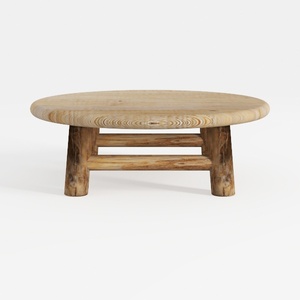

Rustic Solid Wood Round Coffee Table 3D Model
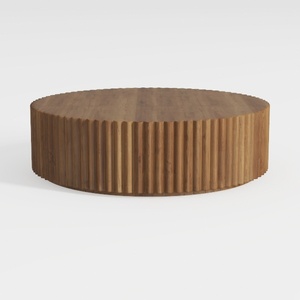
Minimalist Solid Wood Fluted Round Coffee Table 3D Model
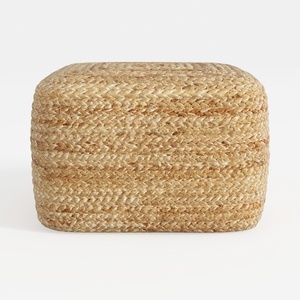
Natural Rattan Woven Square Ottoman 3D Model
Homestyler is the ideal online platform for turning your home design dreams into reality. Its user-friendly design tool, stunning 3D renderings, and rich collection of DIY video tutorials empower you to explore endless creative possibilities—all from the comfort of your own home!
Desain sekarang Gratis
































