

Gariahat stands out with its vibrant blend of culture, diverse cuisine, and convenient services, making it an excellent spot for hosting weddings, receptions, milestone birthdays, and corporate events. To choose the perfect banquet hall in this area, efficient evaluation criteria are essential: look into capacity, acoustics, lighting quality, circulation flow, and the compatibility of vendors. Research in workplace environments has shown that the quality of space directly relates to guest satisfaction. For example, studies by Gensler indicate that well-designed venues enhance users' comfort and performance metrics, a concept that applies to event spaces as well. Additionally, the WELL v2 guidelines on lighting emphasize the significance of vertical illuminance and appropriate color temperature, highlighting their roles in alleviating fatigue and enhancing visual comfort during lengthy events, a considerable benefit for programs lasting several hours.
From an ergonomic perspective, the height of chairs and tables significantly determines comfort and the duration attendees remain engaged. Research by Steelcase has consistently proven that proper posture and ergonomic support can reduce early departures during events, thanks to comfortable seating and clear movement pathways. For acoustics, the background noise level should ideally hover around 55 dBA during meals and remain below 65 dBA for speeches, ensuring clarity without straining audio equipment. Both the Illuminating Engineering Society (IES) and WELL v2 identify glare and uneven lighting as critical factors that can detract from perceived quality, underscoring the importance of assessing lighting arrangements before booking a venue. For further insights on environmental performance, check out WELL v2’s resources on Light and Sound (v2.wellcertified.com) and Steelcase's research (steelcase.com/research).
Crafting Your Event Brief in Gariahat
My approach begins with analyzing the event's flow—considering the sequence of guest arrivals, registration, photo opportunities, seating arrangements, stage use, the timing of food and beverages, and dance floor activation. A well-defined brief is crucial to avoid overspending on unused space or misestimating service areas. Typically, allocate 10–12 sq ft per guest for banquet-style seating with a stage. If you're incorporating a central dance floor and live band, increase this to 15–18 sq ft. Ensure buffet lines are positioned away from main traffic areas to prevent congestion during food service. For a quick visualization of layout choices, employing a room layout simulation tool can be incredibly useful for comparing round versus rectangular tables, aisle widths, and service paths, ideally using an interior layout planner like Homestyler.
Understanding Capacity, Volume, and Sightlines
Capacity is not merely about the number of guests; it encompasses factors like volume (ceiling height), column spacing, and sightlines. For mixed events that include speeches and dancing, a minimum ceiling height of 12–14 feet helps to reduce heat build-up and enhances audio distribution. Although columns can add character, they should not interfere with key sightlines to the stage and screen. Aim to position columns outside the 30–40° cone of vision from the majority of the seating. If the venue has movable partitions, inquire about their STC (Sound Transmission Class) rating to ensure they don’t disrupt the main acoustic field during speeches.
Managing Acoustics and Noise Control
Banquet venues located in bustling areas of Gariahat may experience street noise. Inquire about wall construction, double glazing, and the noise reduction coefficient (NRC) values of ceiling tiles (0.7 and above can effectively manage reverberation). Aim for a reverb time of around 0.8 to 1.2 seconds for speech-focused sessions; for live performances, a slightly more resonant 1.2 to 1.4 seconds can create a rich sound. Position subwoofers away from lightweight partitions to avoid transmitting noise into preparation areas. Implement soft finishes—like carpet runners and upholstered panels—to minimize slap echo against long walls.
Creating the Right Lighting Atmosphere
The lighting design must adapt from the welcome hour to the first dance. I recommend a layered lighting approach: use warm ambient lighting (2700–3000K) for dining, neutral task lighting (3500–4000K) at buffet service, and accent lighting directed at florals and backdrops. Control glare by angling downlights at 30° and avoiding fixture placements that create harsh shadows on faces. If the venue features RGB effects, ensure there's a dedicated channel for white light to maintain natural skin tones during photographs. I also advocate for vertical illuminance behind the stage backdrop to eliminate silhouette issues for speakers.
Ensuring Power, AV, and Technical Readiness
Verify that the venue has adequate dedicated circuits for DJs or bands, catering, and lighting; it’s crucial to separate audio from high-load kitchen circuits to minimize interference. Ask for a clean audio feed for video recordings, blackout curtains for projection purposes, and relay monitors for extended spaces. Robust Wi-Fi is vital for cashless transactions and live streaming. If rigging will be needed from the ceiling grid, check load ratings and access restrictions ahead of time.
Flow, Safety, and Service Logistics
Successful events rely heavily on seamless back-of-house operations. Position service entrances within 20–30 feet of buffet lines but away from photo backdrops. A minimum of 5 feet of circulation space should surround table clusters, with 7–8 feet near service stations, and exits should never be obstructed—ensure the venue complies with posted occupancy limits and egress widths. For plated meals, allow 48–54 inches between tables to facilitate server movement. If the hall layout is complex, utilize a room design visualization tool to instantly assess alternative table maps and guest and staff pathways, ideally with a tool like Homestyler.
Materiality, Décor, and the Psychology of Color
The colors chosen for décor can significantly influence behavior. Warm tones (soft ambers, coral highlights) promote social connections, while cooler shades (greens and blues) bring calmness, especially during formal toasts. Avoid placing high-chroma colors near food stations to prevent unintended color reflections on dishes. Select low-VOC finishes and flame-retardant curtains; always check their certifications. For linens, matte textures work best under mixed lighting conditions. Opting for sustainable choices—such as LED lights, reusable floral arrangements, and ethically sourced wooden signage—can lessen environmental impact while maintaining visual appeal.
Food & Beverage Strategy That Complements the Venue
Tailor your service to the specific space. Opt for double-sided buffet islands to significantly reduce queue times compared to traditional single-sided setups. Keep live cooking stations close to water supply and adequate exhaust systems to maintain air quality; avoid routing air across guest seating. For enhanced experiences, consider setting up a satellite bar near the dance floor and a quieter lounge bar for older attendees. Place dessert and coffee stations away from main entrances to prevent post-cake traffic bottlenecks.
Booking Considerations for Gariahat Banquet Halls
- Confirm capacity based on standard and adjusted seating layouts
- Assess ceiling height, column layout, and stage location
- Examine acoustic treatments, NRC ratings of ceiling tiles, and door seals
- Ensure lighting is dimmable, with controllable color temperatures and spotlight locations
- Map out power distribution and ensure separate circuits for audio-visual and kitchen requirements
- Evaluate the air-conditioning capacity and fresh air flow rates (request details on tonnage and coverage)
- Clarify loading lift dimensions and access protocols for vendors
- Plan for parking options or valet services during peak hours in Gariahat
- Check the privacy and amenities of bridal rooms or green rooms
- Understand on-site coordination policies, vendor requirements, and corkage fees
Budgeting and Value Engineering Strategies
Break down your budget into categories such as venue, décor, AV, food and beverage, staffing, and a contingency fund (10-15%). Prioritize spending on elements that impact guests’ experiences the most: lighting control and acoustics are often more beneficial than overspending on one-time decorative pieces. If expenses rise, consider decreasing the height of centerpieces, switching to intelligent uplighting, or revising the seating configuration to lower linen and floral costs. A thoughtful layout can reduce rental needs—fewer, larger tables may help maintain intimacy while cutting down cost.
Seasonal and Local Considerations
Gariahat's event calendar experiences fluctuations in demand—early reservations are key during busy seasons. For monsoon dates, prioritize dry drop-off areas, non-slip flooring in the foyer, and dehumidification solutions to protect floral arrangements and equipment. During hotter months, select venues with zoned HVAC systems to keep the dance floor comfortably cool while ensuring seated areas are also pleasant.
Prototyping Sample Floor Plans
- Classic Reception: accommodate 250-300 guests with 60-inch round tables, head tables along short walls, and a centrally located dance floor
- Cocktail Style: allocate 40% lounge seating, high-tops by the bar, scattered canapés, and a photo wall as a focal point
- Ceremony + Reception Transition: orient ceremony seating along the long axis; facilitate a swift transition while guests enjoy a foyer bar during photos
Test these configurations and circulation routes using an interior layout planner prior to site visits: interior layout planner.
Key Attributes of the “Best” Banquet Hall in Gariahat
- Proven acoustics and adaptable lighting controls
- Accurate capacity information with comfortable spacing rather than focusing solely on the maximum number of guests
- Clear vendor policies, robust power capabilities, and straightforward load-in processes
- Good sightlines, camera-friendly décor palettes, and backstage logistics support
- An on-site manager capable of providing scaled layouts, power distribution maps, and sample seating arrangements
Frequently Asked Questions
Q1. What capacity should I target for an event with 200 guests that includes a stage and dance floor?
A: Plan for 12-15 sq ft per person. For 200 guests, this equates to approximately 2,400-3,000 sq ft of net guest space, plus an additional 15-25% for circulation and service areas, depending on your service style.
Q2. How crucial is ceiling height for audio-visual setups?
A: Extremely important. A clear height of 12-14 feet enhances sound distribution, lessens heat build-up from lighting, and permits clean projection without obstructing attendees’ views.
Q3. What lighting temperatures are optimal for dining and photography?
A: Warm ambient lighting at 2700-3000K is flattering for skin tones; task and buffet lighting should be between 3500-4000K for visibility. Ensure RGB fixtures have a dedicated true white option.
Q4. How can I manage echo in an active hall?
A: Seek out venues with an NRC of 0.7 or above in ceiling tiles, add drapery to parallel walls, use carpet tiles, and arrange soft seating in corners to mitigate flutter echo. Aim for reverb times around 0.8-1.2 seconds for clarity in speech delivery.
Q5. What’s an efficient buffet arrangement to minimize queuing?
A: Opt for double-sided buffet islands and keep salad and cold dishes separate from hot items. Ensure guests can grab plates and utensils before the food to streamline the flow.
Q6. How can I ensure safe circulation throughout the event?
A: Maintain aisles of at least 5 feet around clusters of tables, 7-8 feet near bars and service points, keep exits clear, and position the dance floor away from primary escape routes.
Q7. Which acoustic or lighting standards should I consult?
A: Refer to the WELL v2 Light and Sound features for baseline comfort standards and review IES guidelines for glare management and uniform lighting levels in event spaces.
Q8. What vendor policies should I consider when budgeting?
A: Be aware of potential corkage fees, preferred vendor lists, late fees for AC or generator usage, and charges related to drape rigging; request an itemized pricing schedule upfront to avoid surprises.
Q9. When should I secure a hall in Gariahat during peak seasons?
A: It’s sensible to book six to nine months in advance for weekends and festival dates. For popular wedding dates, even earlier reservations are advisable.
Q10. Any tips on color psychology for event décor?
A: Use warm neutrals with amber accents to promote a friendly environment; cooler greens and blues can help create calming spaces for older guests. Steer clear of heavy reds near food setups to prevent color distortion in photos.
Q11. What’s the best way to integrate technology without creating a mess?
A: Use centralized power runs, cover cables at crossing points, and position relay monitors strategically in longer rooms to minimize the presence of extensive speaker setups.
Q12. How can I test various seating plans efficiently?
A: Prototype layouts using a room layout tool, assess sightlines, aisle measurements, and proximity to buffets, then finalize a plan for your decorator and caterer.
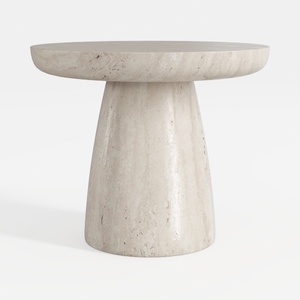
Minimalist Travertine Round Side Table 3D Model
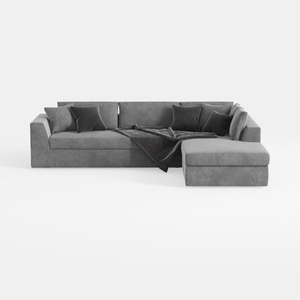
Minimalist Gray Fabric Sectional Sofa with Throw Pillows and Blanket 3D Model


Modern Pink Velvet Curved 3 Seater Sofa with Decorative Throw Pillows 3D Model
Homestyler is your go-to online home design platform! With its easy-to-use design tool, stunning 3D renderings, and a plethora of design projects alongside helpful DIY video tutorials, you can create your dream space effortlessly. Unleash your creativity today!
立即免费设计
































