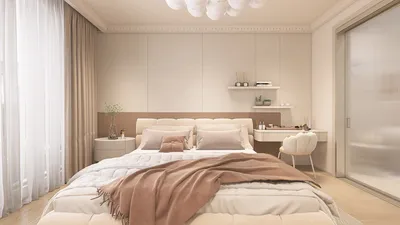


The ceiling of your living room plays a crucial role in establishing the atmosphere of the entire area. Factors like proportion, light quality, and acoustic comfort are predominantly influenced by the ceiling. A thoughtfully designed ceiling can enhance the perception of space, creating a taller and more serene environment, while a poorly executed ceiling can lead to issues such as glare and increasing noise levels. A recent study by Steelcase found that 73% of employees believe noise negatively affects their productivity. Similarly, in residential settings, ceilings engineered for sound absorption or diffusion are pivotal for comfortable living. Moreover, WELL v2 Lighting guidelines emphasize the importance of using a variety of lighting layers (task, ambient, accent) with controlled glare to support circadian rhythms and visual comfort throughout the day, further emphasized by using modern design tools like Homestyler for planning.
Ceiling design goes beyond mere comfort; it significantly impacts the perceived volume of a room. Research from Gensler links spatial clarity and lighting quality to overall satisfaction, demonstrating how ceiling aesthetics affect feelings of space and comfort. Color plays a vital role as well; according to Verywell Mind’s report on color psychology, warm neutrals create a comforting atmosphere, whereas cool shades give a sense of calmness and expansiveness. Subtle ceiling colors can enhance mood without the need for drastic changes in wall or furniture color. For expert guidance, IES standards highlight the importance of uniformity and glare control measures, crucial for the successful implementation of recessed or indirect lighting in your living area.
Enhance Intimacy with Coffered and Tray Ceilings
Coffered ceilings introduce rhythm and shadow, transforming a standard ceiling into a work of art. For smaller rooms, I recommend shallow coffers (2.5 to 4 inches) to maintain a light feel, while deeper coffers work better in spacious settings. In the case of tray ceilings—where the center is lower than the edges—they create an illusion of height and provide a concealable space for LED strip lights, generating a soft ambient glow that minimizes glare. The spacing of beams should generally be 1.2 to 1.5 times the narrowest wall's width to keep the space from feeling enclosed. To validate proportions and compatibility with furniture layouts, a room layout tool like Homestyler can prove invaluable before any construction begins.
Soothe Your Space with Smooth Indirect Lighting
Creating a gentle wash of light around the perimeter of your ceiling through indirect cove lighting can eliminate bright spots, fostering a calm environment. Aim for LED lights with a temperature of 2700 to 3000K for evening relaxation, and choose those with a Color Rendering Index (CRI) of 90 or higher to retain the richness of materials. Dimming features are essential; combine them with wall washers or adjustable downlights to highlight artwork while keeping general lighting soft. To adhere to established comfort guidelines, refer to WELL Lighting recommendations, which advocate multi-layered strategies that address both circadian needs and work tasks, all while following IES standards for glare and light uniformity.
Striking Moldings and Sleek Minimal Profiles
In traditional setups, detailed crown moldings can envelop the ceiling in elegance—however, avoid overly ornate designs unless the scale matches the room’s decor. For modern interiors, consider ultra-thin shadow gaps (approximately 3/8 to 1/2 inch) at the ceiling’s edge; this provides a floating sensation and sharp lines. I frequently integrate linear openings for HVAC and lighting within these gaps to create a neat appearance.
Innovative Paint Techniques: Balancing Color and Sheen
Using color on ceilings tends to be overlooked. A soft gray-blue can visually elevate the ceiling in south-facing areas, while a creamy off-white can diffuse harsh northern light. In high-ceiling spaces, a slightly darker tint extending onto the ceiling helps reduce vertical echo. Opt for flat or matte finishes to mitigate glare from lighting fixtures; utilize eggshell only in areas where durability and washability are key. Color theory indicates that warm shades invite comfort, while cool colors evoke tranquility—use them judiciously to complement your furnishings effectively.
Acoustic Enhancements: Panels, Slats, and Serenity
With hard surfaces like floors and glass, sound bounces back to the ceiling rapidly, making it an ideal target for acoustic improvements. Utilize solutions like micro-perforated gypsum, fibrous panels, or wood slat systems with sound-absorbing properties to diminish echo and introduce texture. Arrange slats with 1 to 1.5 inch spacing; layering them behind a dark acoustic veil can create a sophisticated look whilst hiding services. Research by Steelcase highlights the correlation between reduced noise levels and heightened cognitive performance; you'll notice an improvement in the ambiance during conversations or movie nights.
Visible Beams: Style Meets Structural Integrity
Exposed beams add character and define the spatial layout. In renovation projects, faux beams can align with furniture arrangements to subtly designate areas designed for seating or media. Maintain a proper beam depth proportionate to the room height—typically between 6 to 8 inches in a 9 to 10 foot room—and consider hidden LED uplights placed between beams to distribute light evenly and attractively.
Textured Ceilings: Exploration of Materials
Applying a light plaster finish or limewash technique introduces depth without overpowering patterns. It’s crucial that the texture softly interacts with light rather than dominating it. In areas devoted to media, consider tensioned fabric ceilings to conceal speakers and wiring, thereby enhancing acoustics. It’s important to pair rough textures with smooth wall surfaces to maintain visual clarity.
Utilizing Skylights for Daylight Optimization
Skylights can radically change the feel of compact living spaces, but careful control of diffusion is imperative. Opt for low-solar-gain glass and consider employing double diffusers or adjustable shades to mitigate glare. A suitable skylight structure would follow a 1:2 width-to-length ratio to channel light deep into the room, creating dramatic effects on the ceiling. Combining natural light with adjustable artificial lighting ensures a consistent atmosphere from morning till night.
Invisible Technology: Harmonizing Systems and Design
The most successful ceilings seamlessly incorporate various systems. This includes slot diffusers for air, flush-mounted speakers, and sleek sprinkler systems designed to maintain unobtrusive aesthetics. When coordinating multiple fixtures, carefully map sightlines from main seating areas to achieve visual symmetry; tools like an interior layout planner can assist in testing both furniture and fixture placement to ensure a cohesive look.
Human-Centric Design: Proportions and Interactions
Begin any design by considering human scale—factors like seated eye level (approximately 43 to 48 inches), standing sightlines, and paths of movement. Ceiling motifs should correlate with these elements. A prominent feature (such as a chandelier or a skylight) can anchor conversation zones, while supporting elements can direct circulation. Uniform fixture spacing is recommended—linear lights are best spaced at about 1.0 to 1.2 times their length in relation to one another to ensure even distribution and preserve key sightlines.
Eco-Friendly Selections: Materials and Upkeep
Consider using FSC-certified wood slats, low-VOC paints, and LED options that offer longevity. Designing for easy access to panels where systems are concealed will reduce future maintenance complications. Thoughtful material choices not only enhance aesthetic appeal but also contribute to better indoor air quality and lower long-term maintenance expenses.
Design Considerations Based on Ceiling Height
• For 8 to 8.5 ft ceilings: Focus on indirect perimeter lighting, shallow tray designs, and matte finishes to minimize glare. Heavy beams should be avoided.
• For 9 to 10 ft ceilings: Implement subtle coffers, slim beams, or slats, and layer ambient and accent lights for a balanced effect.
• For ceilings over 10 ft: Maximize space with deeper trays, prominent chandeliers, acoustic enhancements, and skylights; ensure large fixtures are proportionate and use zoning principles effectively.
Aim for a lighting temperature of 2700 to 3000K during evenings for warmth and 3000 to 3500K during the day for clarity in living rooms. The best approach involves layers of dimmable linear LEDs, flexible downlights (narrow floods for accent, broader floods for ambient), and table lamps, all creating a layered comfort. Keep Unified Glare Ratings (UGR) low by leveraging diffusers, shielding, and indirect lighting techniques; consulting IES guidelines will provide specific metrics for optimal results.
Frequently Asked Questions
Q1: What is the best ceiling light temperature for a living room?
A: During evenings, 2700 to 3000K creates a warm and relaxing ambiance; 3000 to 3500K provides a crisper look for daytime. High CRI (90+) is essential for true color rendition.
Q2: How can I lessen echo in a room with hard surfaces?
A: Incorporate acoustic ceiling features—such as felt panels, micro-perforated gypsum, or wood slats with sound-absorbent backing. Adding soft furnishings can also help based on research from Steelcase which shows that lower noise levels boost focus, and it can greatly enhance your home experience.
Q3: Are coffered ceilings viable for smaller spaces?
A: Absolutely, just ensure coffers remain shallow (around 2.5 to 4 inches) and are proportionally spaced to prevent feeling too heavy. Use lighter colors and integrate indirect lighting for an airy aesthetic.
Q4: What sheen should I use for ceiling paint?
A: A flat or matte finish will help reduce glare from lighting fixtures. Reserve eggshell sheen for spaces where cleaning is a priority.
Q5: How can I incorporate speakers and HVAC components without clutter?
A: Utilize slot diffusers, concealed speakers, and harmonious placements that match ceiling patterns. Evaluate sightlines from seating areas and use layout simulation tools to test visual balance.
Q6: Can skylights cause excessive glare in living areas?
A: Indeed, they can. Selecting low-solar-gain glass, implementing diffusers or shades, and designing wells thoughtfully can diffuse the light. It’s best to combine these with adjustable artificial lighting to maintain a comfortable ambiance throughout the day.
Q7: What ceiling designs can create the illusion of higher rooms?
A: Try perimeter cove lighting, lighter paint hues, slim shadow gaps, and tray ceilings to enhance height perception. Keep fixtures closely aligned to the ceiling and avoid bulky beams.
Q8: What criteria should I follow for selecting chandelier sizes in tall rooms?
A: For larger spaces, aim for chandeliers with diameters approximately 1/12 to 1/10 of the room's shortest measurement, ensuring they hang low enough to maintain sight lines. Balance this with additional ambient lighting to avoid stark contrasts.
Q9: Are wood slat ceilings practical in media areas?
A: Yes—they bring warmth and improve sound quality, especially when backed with sound-absorbent materials. Employ darker fabric behind the slats to camouflage wiring neatly.
Q10: What are the best standards to follow for glare control?
A: Consult IES standards for guidelines on uniformity, shielding, and Unified Glare Ratings (UGR), and adhere to WELL Lighting principles for a layered and comfortable lighting design.
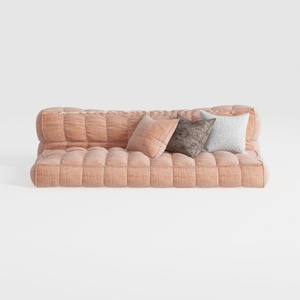

Minimalist Blush Fabric Tufted Contemporary Sofa 3D Model

Minimalist Solid Wood Linen Fabric Three Seat Sofa 3D Model
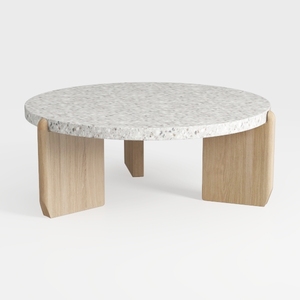
Minimalist Terrazzo Solid Oak Round Coffee Table 3D Model
Discover the joy of home design with Homestyler! This exceptional online platform offers a user-friendly design tool, stunning 3D renderings, and an abundance of inspiring design projects. Plus, get creative with DIY video tutorials that guide you every step of the way. Unleash your inner designer today!
Design Now for FREE
































