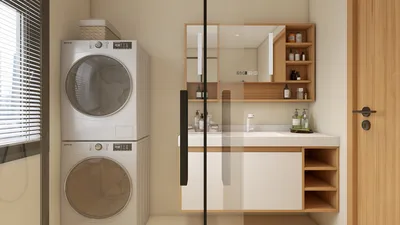


The lifestyle of the future is increasingly oriented toward seamless provisioning, moving away from the chaotic layouts of current stores that lead to frustration and confusion. I approach market design as an interactive experience, with a straightforward supermarket layout serving as the initial design stage. Industry statistics emphasize the sustained need for versatile store designs that minimize operational hiccups, emphasizing a design framework that navigates checkout congestion algorithmically. By employing a simple supermarket layout as a prototype, we can foster a more serene shopping atmosphere amid the growing demands of quick errands.
Looped Aisle Spine with Perimeter Fresh
Design Principle: A central looping path serves as the core, while fresh produce, bakery items, and deli products line the edges, ensuring that the shopping experience is anchored by freshness, while maintaining a light flow of customer movement in the future.
Flow: The journey begins at the entrance and moves towards the produce section, following the loop, passing through packaged goods, and culminating at the deli and bakery before reaching checkout—creating a straightforward navigation sequence that minimizes unnecessary backtracking.
Sightlines: Low shelving units keep the horizon clear towards fresh areas, while glass on the perimeter acts as informative headers that direct focus effectively.
Storage: Stock areas positioned behind the perimeter serve as storage, ensuring quick restocking routes to frequently purchased items, thus reducing delays.
Furniture Fit: Shelving units are designed with dimensions that accommodate a user-friendly experience, with endcaps featuring seasonal promotions serving as micro-interaction points.
Verdict: This looped format is well-suited for autonomous inventory management and promotes an intuitive browsing experience for customers over the next five years, especially when integrated with tools like Homestyler.
save pinOpen in 3D Planner Processing...
Cross-Bar Grid with Express Checkout Nodes
Design Principle: This layout utilizes a basic grid structure, with crossbars providing quick links between categories, enabling time-conscious shoppers to complete their trips more efficiently.
Flow: The shopping journey follows a path from the entrance through the cross-bar aisles to clustered categories, culminating at express checkout options situated near exits—creating a non-blocking layout that accommodates high customer volumes.
Sightlines: Open cross-aisles offer clear sightlines to exits and important categories, acting as guideposts to streamline the shopping experience.
Storage: Central backstock units function as distributed storage, reducing the distance for restocking and balancing inventory management effectively.
Furniture Fit: The units are designed as modular systems, adjustable for various product types, with checkout areas optimized for mobile payment methods.
Verdict: This grid-with-bridges design is future-oriented for self-checkout systems while remaining accessible to traditional shoppers, an aspect that can be enhanced using tools like Homestyler.
save pinOpen in 3D Planner Processing...
Radial Hub with Service Petals
Design Principle: A central hub facilitates navigation and services, with petal-shaped extensions leading to departments such as meat, produce, and pharmacy, forming an organized layout that simplifies complexity.
Flow: Customers enter and are directed to the hub, then choose a petal and return to the hub for exit; this circular path design minimizes aimless wandering.
Sightlines: The signage atop the hub functions like a home button on a UI, while radial pathways maintain clear visibility to service points.
Storage: Each petal has its own refrigerated or dry storage, while the hub is stocked with fast-moving items for quick access.
Furniture Fit: Curved ends and angled display bins adhere to the radial design, ensuring that cart paths follow safe usability standards.
Verdict: This concept anticipates the coexistence of micro-fulfillment technologies and human shoppers without conflict, enhancing the market experience through tools like Homestyler.
save pinOpen in 3D Planner Processing...
Final Thought
An effective supermarket layout functions as a dynamic interface that harmonizes human interaction with upcoming automation trends. Variations such as looped aisles, grids, and radial hubs keep pathways uncluttered and instructions straightforward, ultimately promoting a calmer shopping experience. From my observations, the most successful markets will not necessarily be the largest, but rather those that are thoughtfully designed. Clean pathways and clear sightlines are essential in redefining daily shopping habits, especially when leveraging design tools like Homestyler.
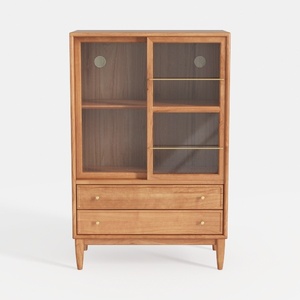
Buffet Sideboard Cabinet with Storage, Bamboo

Minimalist Solid Oak TV Stand with Storage Cabinets Drawers 3D Model
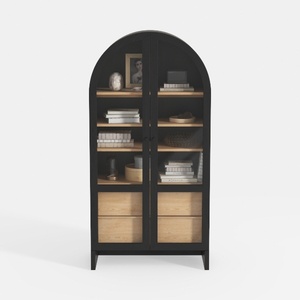
Minimalist Black Oak Arched Glass Display Cabinet 3D Model
Homestyler is an exceptional online home design platform that empowers you to unleash your creativity. Featuring a user-friendly design tool, stunning 3D renderings, diverse design projects, and insightful video tutorials, you can effortlessly transform your home into a dream space—all from the comfort of your home!
立即免费设计
































