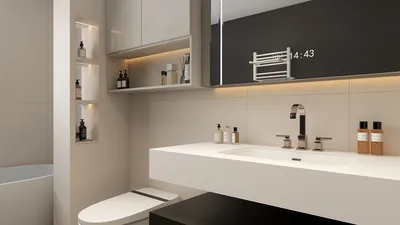


The future of living is focused on simplifying routines while enhancing tranquility, addressing today's common issue of navigation through cramped spaces. Industry analytics continually reveal a significant preference among buyers towards efficient traffic flow rather than mere square footage. This is evident in the H Block Brigade 6 Series floor plan, which embodies a lifestyle where contemporary behaviors are seamlessly integrated into living spaces—representing a future that is already on the horizon. Utilizing tools like Homestyler can help visualize this spatial reasoning.
In the H-shaped residences of my clients, I conceptualize corridors as essential pathways, rooms as functional nodes, and storage as a strategic tool that minimizes disruptions in daily activities.
Bridge Spine + Dual Courtyard
Design Logic: The central spine serves as a connector between the two residential sections, akin to a data bus, facilitating the synchronization of daylight and daily routines; future households require adaptable privacy paired with communal wellness areas.
Flow: The layout follows this path: entry → spine gallery → communal living space → adjacent bedrooms; the service core runs parallel, ensuring effortless maintenance.
Sightlines: The long axial view along the bridge intertwines with cross-views into courtyards, providing layers of information that distinguish public and private spaces.
Storage: Integrated wall bays along the spine serve as storage; hidden utility closets at strategic nodes maintain an unobstructed pathway.
Furniture Fit: A slim console (12–16 inches in depth) and sectional couch designed for 36–42 inches in circulation space; the dining table acts as a central meeting point, ideally 72–78 inches in length.
Verdict: Over years, this spine effectively organizes activities—events unfold smoothly without disruption, with natural light enhancing the ambiance.
save pin
Winged Bedrooms + Shared Service Core
Design Logic: Each wing is designed for rest and focus, while the shared core combines kitchen, laundry, and bath facilities—modern trends favor aggregated utilities to minimize energy waste.
Flow: The path moves from wing entry → wardrobe node → sleeping area → study nook; service pathways are efficiently looped to the kitchen and bathroom.
Sightlines: Attention to layered views ensures door-to-window alignments that provide immediate context while maintaining privacy for sleeping quarters.
Storage: Spacious double-depth wardrobes (24–30 inches) paired with overhead compartments; linen towers near bathrooms offer quick access.
Furniture Fit: A queen bed measures 60x80 inches with 30 inches of clearance on each side; desks range from 48-60 inches, while swivel chairs help avoid path obstructions.
Verdict: These wings evolve gracefully—privacy expands, routines shift, and mechanical systems operate quietly, much like a stable core.
save pin
Living Hub + Flexible Node Grid
Design Logic: The hub serves as the interactive space; movable partitions and anchor points allow it to adapt for various activities—whether working, dining, or hosting—without complete disruptions.
Flow: The sequence includes the kitchen peninsula → dining bar → lounge area → balcony; nodes are arranged for short and efficient loops.
Sightlines: Triangulated views connect the workspace to the entry and windows; a hierarchy akin to UI design places work areas upfront and relaxation zones deeper inside.
Storage: Toe-kick drawers, a deep pantry (18–24 inches), and a media wall with a mixed-cache layout facilitate quick organization.
Furniture Fit: The peninsula measures 30–36 inches in depth, complemented by sofas ranging from 84–96 inches, coffee tables at 18 inches high, and chairs that rotate on arcs of 24–28 inches.
Verdict: The hub maintains its flexibility; over the next five years, it continually incorporates new traditions while retaining clarity.
save pin
Final Takeaway
The H Block Brigade 6 Series floor plan exemplifies a well-designed interface: private wings, a connective spine, and a hub for daily activities. This H-shaped arrangement and its related elements—bridge spine, dual courtyard, and winged bedrooms—emphasize movement over size, reflecting the future’s need for intuitive living patterns. Thoughtful attention to efficient corridors and grouped utilities enhances the plan's viability. Based on my experiences, even minor spatial adjustments in this framework significantly impact my clients' lifestyles, integrating tools like Homestyler for visualization and flexibility.

Minimalist Solid Oak Fluted TV Stand with Black Metal Legs 3D Model
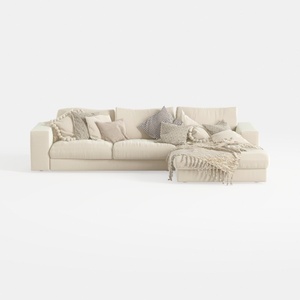
Minimalist Beige Fabric L Shaped Sectional Sofa with Throw Pillows 3D Model
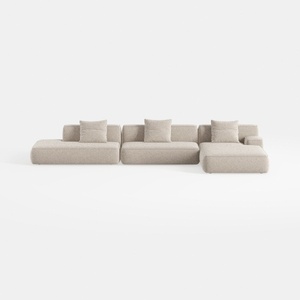
Minimalist Boucle Fabric L Shaped Sectional Sofa 3D Model
Homestyler is your go-to platform for effortless home design! With its user-friendly online design tool, stunning 3D rendering capabilities, and a wealth of DIY video tutorials, turning your vision into reality has never been easier. Dive into your next design project with confidence!
立即免费设计
































