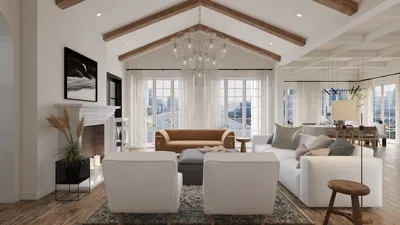


I've always felt that a living room should not only offer a space to unwind but also inspire activity. A swing sofa embodies this balance perfectly, introducing a playful motion, inviting seating, and an overall soothing vibe to the home's core. Beyond just being an intriguing piece, it has the potential to alleviate stress and foster conversations—provided that its design and sensory aspects are carefully considered, along with safety measures.
Research Insights: Comfort, Stress Management, and Visual Comfort
Studies consistently show that gentle, rhythmic motions can help alleviate stress and contribute to emotional stability. According to guidance on color psychology from Verywell Mind, calming colors like soft blues and muted greens can effectively decrease perceived stress levels, while warm neutrals promote feelings of safety and comfort (verywellmind.com/color-psychology). To achieve visual safety, the Illuminating Engineering Society suggests maintaining light levels between 300 to 500 lux in living spaces, ensuring clarity in the swing’s hardware and the surrounding area without causing glare (ies.org/standards). These recommendations lay the groundwork for effective lighting and color choices around a moving seat.
Essential Elements of an Effective Swing Sofa in a Living Room
From a practical standpoint, it's crucial for a swing sofa to be engineered with proper structural load pathways, ergonomic seat design, and a layout that accommodates the swinging arc. I typically aim for unobstructed floor space that matches the length of the sofa plus an additional 24 to 36 inches at both the front and back of the arc to ensure safe movement around coffee tables and wall edges. According to WELL v2 standards, incorporating acoustic comfort is vital for overall indoor wellness, and while living rooms might not be formal workplaces, applying this principle remains beneficial: soft surfaces and irregular hard materials can significantly mute sounds produced by chains and suspension components (wellcertified.com). For households with children, I recommend rounded edges on nearby furniture and plush rugs to cushion any unintended falls.
Structural Integrity and Mounting: Prioritizing Safety
It’s vital to avoid suspending a swing sofa solely from drywall. Always identify or create sturdy load-bearing points. For wooden joists, I seek dimensions of 2x8 inches or larger, carefully verify wood type and grade, and consult with a structural engineer to ascertain load capacities when necessary. A typical two-person swing sofa can weigh anywhere from 80 to 140 pounds; consider the additional load from 2 to 3 adults (ranging from 300 to 450 pounds) combined with dynamic forces (1.5x), and it’s easy to exceed a design load of 750 pounds. Using properly rated hardware such as forged eye bolts with locking nuts, alongside durable chains or marine-grade ropes, mitigates potential risks. If ceiling installation isn't feasible, a floor-standing A-frame designed for indoor use, featuring non-marking feet and a stabilizing spreader bar, can help minimize lateral movement.
Ergonomic Considerations: Depth, Height, and Motion
Comfort is fundamentally linked to dimensions. For most adults, a seat height of 17 to 18 inches is optimal, and a depth of 20 to 22 inches encourages comfortable sitting without causing slouching. Angles between 100 and 110 degrees for the backrest allow for a natural spine alignment. When considering swing movement, smaller arcs of 8 to 12 inches provide a calming experience, while anything exceeding 16 inches tends to be more whimsical than restful. I prefer wider, fabric-covered armrests for secure grip during motion, adding lumbar cushions to maintain a neutral posture during gentle swings.
Illuminating the Moving Seat
Movement can create shadows and enhance glare. Therefore, I recommend a layered lighting approach: use diffused ceiling light at 300 to 400 lux for ambient brightness, wall washing to soften transitions, and task lighting with a shielded shade placed out of the swing's direct path. Opt for a color temperature of 2700 to 3000K for evening ambiance; if reading is frequent, a temperature of 3000 to 3500K along with a high Color Rendering Index (CRI of 90+) ensures that skin tones and textiles are accurately represented. Including dimmer controls allows for adjusting brightness when guests swing, as a moving seat should not cast sharp, flickering shadows that cause eyestrain.
The Psychology of Color and Material
Colors frame the mood surrounding the swing. Utilizing cool, low-saturation colors helps anchor the movement and minimizes visual distractions. When it comes to materials, I opt for tightly woven performance fabrics that resist wear and friction, steering clear of slippery leather upholstery that can diminish grip and stability. Textures like chenille or bouclé add tactile richness that complements gentle motion. For households with pets, selecting stain-resistant microfibers and machine-washable, removable covers is a wise choice. Additionally, using sustainably sourced hardwoods and low-VOC finishes helps reduce indoor pollutants while facilitating air circulation around the moving seat.
Ensuring Acoustic Comfort: Minimizing Noise from Motion
Hardware can produce sounds like creaking. To minimize such noise, I suggest employing bushings in the hangers, selecting ropes or webbing that do not produce squeaks, and incorporating felt washers where fittings meet plates. A plush area rug beneath the swing, combined with wall-mounted acoustic panels or textile art, can prevent the sound from becoming echoey or overly lively as the seat shifts. Furthermore, keeping metal-on-metal contact to a minimum and using rated carabiners with silicone sleeves can also help reduce noise.
Creating a Fluid Layout: Movement, Flow, and Sightlines
A swing sofa naturally draws attention; use it to sculpt social interactions. I favor creating a triangular conversation area, positioning the swing sofa opposite a fixed couch at a distance of 8 to 9 feet, accompanied by a lounge chair slightly offset to preserve open leg space. Coffee tables should be located outside of the swing path—opting for nested or oval shapes can diminish the risk of collisions. If you're trialing various configurations, a room layout tool can assist in visualizing swing clearance, traffic flow, and sightlines to ensure that the seat does not obstruct access to doors or TV viewing positions.
Family Safety Guidelines
Establish household guidelines: no standing or jumping on the swing, and limit to one user at a time for more compact models. Incorporate a cushioning zone beneath the swing—a rug that extends at least the width of the seat—to provide a safe landing for any missteps. Maintain a clearance of at least 12 inches from walls and 18 inches from sharp edges. For children's use, consider a lower seat height (16 to 17 inches) and using capped chains for added security. For older adults, providing stable armrests and minimizing the swing’s arc enhances feelings of security.
Seamless Style Integration: Making It Aesthetically Pleasing
Regardless of whether your living room embraces a modern, boho, or coastal vibe, consider the swing sofa as you would any centerpiece: ensure its visual weight is balanced. If the frame is robust, lighten surrounding pieces with furniture featuring slender legs and open bases. Conversely, if the swing is more lightweight in design—like those made from rope and cane—incorporate one denser item, such as a sturdy credenza, to ground the ensemble. Repeating a material in several elements (like a rope accent on a lamp or cane on a side table) helps to slowly transition the swing from a playful novelty into part of the overall decor theme.
Maintenance and Durability
Seating that incorporates motion wears differently compared to stationary options. Conduct assessments on hardware every three months to identify any loosening; re-tighten using the torque specifications provided by the manufacturer. Regularly vacuum fabrics with a soft brush to prevent the buildup of dirt. Additionally, where ropes connect with eye bolts, ensure to rotate or flip sections biannually to evenly distribute wear. For fabrics marketed for outdoor use but used indoors, opt for gentle upholstery detergents and rinse thoroughly to eliminate any residue that attracts dust.
Common Pitfalls to Avoid
Three common mistakes I observe: misjudging structural load capacities, positioning the swing too close to surrounding tables, and excessively bright lighting from bare overhead fixtures that create distracting shadows. Addressing these issues early ensures the swing transitions into a soothing heartbeat for the living room rather than a source of anxiety.
Frequently Asked Questions
Allow for the length of the sofa along with 24 to 36 inches at both the front and rear of the swing path, with a minimum of 12 inches from walls and 18 inches from sharp edges.
This is feasible provided that you properly anchor it into rated structural members and utilize forged, rated hardware. Always verify joist dimensions and load capabilities, and consult a structural engineer for larger models or uncertain situations.
Aim for layered, diffused lighting at about 300 to 400 lux for the ambient setting, 2700 to 3000K for evening warmth, and high-CRI task lighting set outside the swing trajectory to prevent glare.
Durable fabrics such as microfiber, chenille, and bouclé provide both grip and longevity. Steer clear of slippery leather options that could compromise stability while the swing is in motion.
Opt for bushings, felt washers, and silicone sleeves on carabiners while selecting ropes or webbing known for low-friction performance. Incorporate soft furnishings in the room to absorb sound.
Absolutely. Balance visual weight, repeat similar materials throughout the room, and ensure a refined color scheme. When harmoniously integrated, the swing will transform into a sculptural accent rather than merely a functional piece.
Aim for seat heights of 17 to 18 inches, depths of 20 to 22 inches, and a backrest angle around 100 to 110 degrees. Smaller swinging arcs (8 to 12 inches) tend to provide a calming effect for daily use.
Establish guidelines (e.g., no standing), consider lower heights for children, minimize the swinging arc for older adults, and ensure soft flooring surrounds the swing area.
Employ an indoor-rated floor-standing A-frame or wall-mounted brackets designed to channel load into studs. Always double-check ratings and floor protection measures.
Regularly inspect hardware, rotate points of rope contact every six months, and maintain fabric cleanliness with gentle upholstery soap to mitigate wear.
Colors like soft blues, muted greens, and warm neutrals promote stress alleviation and familiarity. Save stronger accents for minimal use to avoid becoming overwhelming visually.
Certainly, but make sure it is positioned outside the swing's pathway. Opt for oval or nested tables to reduce collision risks and facilitate easy movement.

Modern Pink Fabric Gold Legged 2 Seat Sofa 3D Model
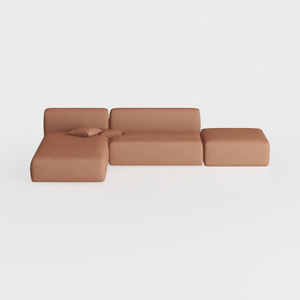
Minimalist Brown Fabric Modular Sectional Sofa 3D Model

Modern Brown Leather Modular Sectional Sofa with Throw Pillows 3D Model
Looking to transform your space? Homestyler is your go-to online design platform! With an easy-to-use design tool, stunning 3D renderings, and inspiring DIY video tutorials, you can effortlessly create and visualize your dream home. Dive into design projects that spark your creativity today!
Progetta ora GRATIS
































