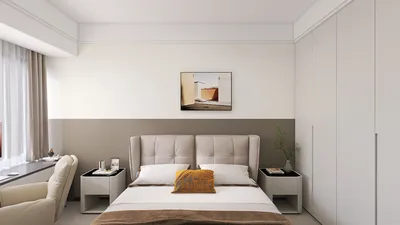


The evolution of worship is increasingly becoming hybrid, community-oriented, and profoundly human. A significant challenge we face today is the inflexibility of traditional worship spaces, characterized by static pew arrangements that are ill-suited for weekday activities, interfaith gatherings, or digital liturgies. Recent AIA data indicates a rise in renovations over new constructions as congregations adapt their aging facilities. This trend is supported by Zillow and Houzz, highlighting a move towards interiors that are flexible and technologically equipped. In this context, a church's floor plan evolves into a comprehensive language that reflects the community's aspirations for the next decade, serving as a toolkit for spatial reasoning that translates faith into practical use. As we look to the future, I find myself already sketching out these innovations with tools like Homestyler.
Nave-as-Forum: Versatile Central Hall
Design Concept: The nave evolves from a traditional audience format to a civic forum, accommodating multi-purpose schedules and fostering engagement in the age of streaming. The architecture resembles open code with expansive spans, movable seating, and modular riser arrangements.
Flow: The central processional axis remains central, while side aisles serve as alternative pathways for entry, socialization, and reconfiguration, preventing bottlenecks during rituals and weekday events.
Sightlines: Tiered mobile platforms establish a clear visual priority, positioning the altar or podium as the primary focal point, the choir/media area as secondary, complemented by adaptable congregation zones.
Storage: Under-riser drawers and wall-integrated credenzas provide storage for chairs, music stands, and AV equipment, facilitating quick loading and unloading to minimize delays.
Furniture Specifications: Stackable seating of 20-22 inches at a 34-inch pitch, along with reconfigurable lecterns and 6'x8' riser tiles. Additionally, cable troughs establish essential limits for electrical access.
Conclusion: This nave design can accommodate multiple functions without compromising its spiritual essence, making it ready for the upcoming years of blended gatherings.
save pin
Cross-Axis Commons: Narthex as Social Transition Space
Design Concept: The narthex transforms into an interface space for the congregation, offering hospitality and announcements while also serving as a coworking area during the week, effectively managing high traffic and quiet moments alike.
Flow: The entry leads to a welcome point that branches out toward the nave, classrooms, and courtyard, functioning like a load balancer to ease weekend congestion.
Sightlines: Low counters and glass partitions ensure the altar's presence remains visible while enhancing bulletin visibility and wayfinding near the entrances.
Storage: Benches with lift lids, coat racks, and stroller parking create micro-storage solutions that keep traffic flowing smoothly at entry points.
Furniture Specifications: Café-style tables clustered in configurations with soft seating ensuring 36-inch clear pathways and mobile kiosks connected to floor outlets.
Conclusion: This design concept fosters a welcoming atmosphere for arrivals, enhancing dwell times, and my clients use this space as a stress-free third place during the week.
save pin
Chapel + Classroom Space: A Midweek Resource
Design Concept: The side chapel coexists with modular classrooms, catering to inter-generational initiatives and the need for intimate services alongside educational programming.
Flow: The chapel's entry is separate from the main axis, and classrooms encircle a communal preparation area, allowing for short, logical transitions between contemplation and learning.
Sightlines: Frosted glass bands at eye level help maintain focus, while clerestory openings allow ambient light to filter in without causing glare.
Storage: Tall lockers provide a place for curriculum kits, and flat files accommodate liturgical materials, preserving a cycle of seasonal and semester updates.
Furniture Specifications: Flip-top tables (24"x60") combined with nesting chairs; chapel seating is designed to be 20" wide with a 42" clearance at the altar, with acoustic panels acting as invisible functional elements.
Conclusion: This adaptable space promotes activity throughout the week and can expand to accommodate crowds on Sundays, proving to be a reliable asset for evolving attendance patterns.
save pin
Final Thoughts
The concept of a church floor plan has transformed into a dynamic framework that aligns religious rituals, community engagement, and the demands of today's broadcasting perspective. Innovations like flexible nave arrangements, welcoming narthexes, and hybrid chapel-classroom layouts ensure that worship spaces are future-ready without necessitating extra physical expansion. From my experiences, the most strategically designed places of worship are not necessarily larger; they are simply more purposeful. I consistently observe that minor spatial alterations can significantly influence how communities come together.
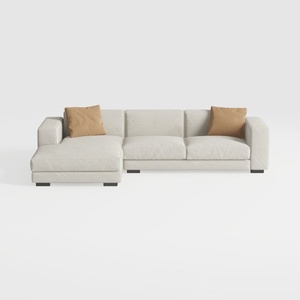
Minimalist Fabric L Shape Sectional Sofa with Throw Pillows 3D Model
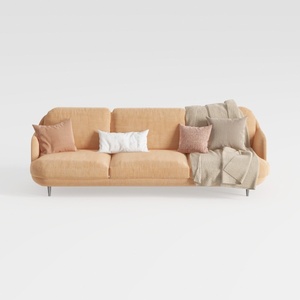

Modern Minimalist Peach Fabric Sofa with Throw Pillows and Blanket 3D Model
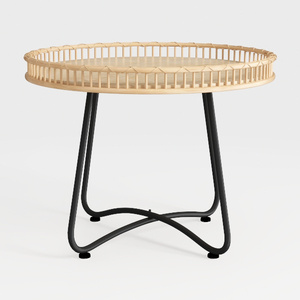
Minimalist Rattan Metal Round Side Table 3D Model
Homestyler is your go-to online home design platform! With its user-friendly design tool, stunning 3D renderings, and a wealth of DIY video tutorials, you can effortlessly create and visualize your dream spaces. Transform your ideas into reality today with Homestyler!
立即免费设计
































