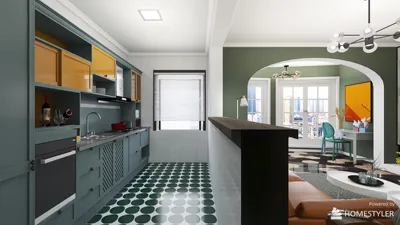


I often chuckle when reminiscing about the moment I almost hung a lavish crystal chandelier above a petite two-seat dining table, based on the client's insistence that it would add a touch of grandeur — spoiler alert: it felt akin to dining beneath a disco ball. This little blunder taught me the importance of scale and the necessity of sustaining flow in open dining areas. In a particular project, I transformed an awkward alcove into an inviting nook with built-in seating and a slender table, which made the entire open-plan layout feel more intentional and cohesive. This cozy corner design became my ace in the hole.
Whether you're dealing with a compact or expansive space, an open dining area can ignite boundless creativity. Here, I present five practical ideas for open dining room designs that I apply in real projects — each concept highlights its effectiveness, specific strengths, and candid observations from my hands-on experiences.
1. Define Areas with Rugs and Lighting
I always prioritize defining spaces; a strategically placed rug visually anchors the dining zone, while targeted lighting illuminates the table in the evening. This method provides immediate clarity — guests recognize where to sit, stroll, and congregate. However, one must be mindful of scale; selecting a rug that is too diminutive can make it appear merely tacked on, while overly bright lighting can engulf the living zone.
Budget tip: opt for a mid-range rug paired with a statement pendant light for a refreshed look without breaking the bank.
2. Built-in Banquette for Narrow Spaces
I have a particular fondness for banquettes against walls in tighter spaces, as they maximize seating while minimizing the footprint, fostering a warm, curated atmosphere. They are fantastic for family breakfasts and can cleverly conceal storage beneath the seating; however, they do lack the flexibility of standalone chairs when hosting larger gatherings.
Construction note: it’s crucial to carefully plan seat height to align with table standards, and choose wipe-clean fabrics if children are involved — I once salvaged a banquette by using a removable, washable cover after a mishap with tomato sauce.
3. Adaptable Furniture and Slim Dividers
For particularly complex open plans, I often incorporate foldable tables, slender consoles, and a discreet divider, like a low bookshelf or glass partition, to imply separation without enclosing the area. This tactic maintains clear circulation and allows the dining space to adapt for work, crafts, or social events. One of my projects quickly evolved into a multifunctional hub thanks to the selection of modular pieces that can be stacked or easily tucked away. The Homestyler approach to open-plan flow illustrates how minor adjustments in furniture arrangement can significantly alter movement patterns.
The challenge here lies in maintaining organized storage — flexible arrangements require a designated spot for additional items to prevent the room from appearing cluttered.
4. Visual Consistency: Flooring and Colors
To enhance the cohesiveness of an open dining area with surrounding spaces, I prefer using continuous flooring and a harmonious color scheme. This visual consistency enlarges the perceived space and allows the dining area to feel purposeful rather than an afterthought. While you do forfeit a bold ‘separate room’ identity, the benefit is a serene flow, ideal for contemporary living.
Pro tip: consider applying a slightly warmer tone to the dining wall or incorporating textured wallpaper for understated accentuation without disrupting the flow.
5. Kitchen-Adjacent Dining: Islands and Peninsulas
When the dining area is adjacent to the kitchen, an island or extended peninsula serves as a seamless connector. It facilitates casual dining, doubles as a buffet for larger gatherings, and cultivates a comfortable flow. I've curated numerous layouts where a narrow peninsula enhanced the anchoring and social aspect of the dining zone. Check out the kitchen-to-dining layout example I implemented to improve sightlines and preparation flow.
Caveat: ensure that cooking pathways and dining seating don’t overlap — providing at least 36 inches of clearance behind seated guests can avert many awkward encounters.
FAQ
Q1: What size rug should I place under my dining table?
A rug should extend a minimum of 24 inches beyond the table's edge on all sides, so chairs remain on the rug when pulled out. This ensures a grounded appearance and enhances comfort during seating.
Q2: Can an open dining area work in a studio apartment?
Absolutely — utilizing multifunctional furniture like drop-leaf tables, stackable chairs, or a storage-concealing banquette enables a flexible and compact-friendly dining area.
Q3: How do I select lighting for an open dining room?
Choose a pendant or chandelier that is proportionate to the table (approximately 50–75% of the table width for rectangular tables) and suspend it 30–36 inches above the surface to strike a balance between intimacy and sightlines.
Q4: What type of flooring is best suited for open-plan dining areas?
Continuous flooring like engineered hardwood or tile maintains visual flow. Area rugs can be utilized to delineate the dining area without disrupting the overall aesthetic.
Q5: How much space is recommended between the dining table and surrounding furniture?
Ideally, maintain a minimum of 36 inches behind chairs for smooth circulation; 42–48 inches is more comfortable in high-traffic homes or when hosts need to navigate between the kitchen and table.
Q6: Are built-in banquettes beneficial for resale?
They can indeed enhance resale value if designed well and styled neutrally. Built-ins that contribute storage and complement the home’s design are often seen as thoughtful upgrades.
Q7: How do I effectively manage an open dining area while hosting larger groups?
Prepare adaptable surfaces: a folding table leaf, extendable dining tables, or utilizing the kitchen island as a service area can simplify scaling and keep the area functional during events.
Q8: Where can I find expertise on professional layouts or standards for kitchen and dining flow?
Professional associations like the National Kitchen & Bath Association offer standards and planning resources for kitchen and dining layouts (NKBA: https://www.nkba.org). These guidelines assist in ensuring ergonomic clearances and optimal workflow.
Homestyler is your go-to online home design platform! With its user-friendly design tool, stunning 3D renderings, and a wealth of DIY video tutorials, you can effortlessly transform your living space into your dream home. Start designing today and unleash your creativity!
Design Now for FREE
































