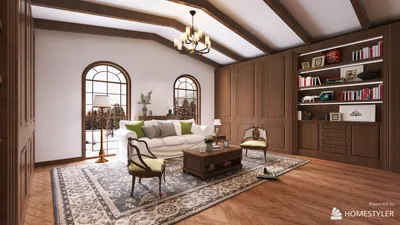


One time, I mistakenly painted an entire feature wall in an incorrect shade due to assessing the sample under fluorescent lighting. As a result, my living room transformed from a cozy haven to a chaotic space overnight. This experience taught me a valuable lesson: always test Behr paint colors in the actual room and under various lighting conditions. When dealing with limited spaces, small areas can ignite significant creativity. In this article, I will share five practical inspirations I've successfully applied in real projects, including my tiny-kitchen transformation, which demonstrated that a bold trim color can completely change the perception of a layout.
1. Emphasize One Color in Three Areas
I often opt for a striking shade of Behr and utilize it as an accent across a wall, cabinet surfaces, and textiles. This approach fosters a sense of cohesion in a compact apartment while avoiding overwhelming visuals. The benefit is an instantly unified look; however, the challenge lies in selecting a color that harmonizes with both chrome and wood finishes—always test samples on trim and fabric before making a final decision.
save pin
2. Embrace Light Reflective Neutrals
For rooms that face north, I frequently suggest Behr’s light neutrals with warm undertones to better reflect daylight. These shades keep the atmosphere airy and work well with secondhand furniture. A potential downside is that they might appear bland when used alone, so I like to incorporate textured rugs or metallic accents to infuse personality.
save pin
3. Create Visual Height with Two-Tone Walls
A go-to technique of mine involves splitting a wall horizontally with a darker color on the bottom and a lighter one on top. This strategy visually anchors furniture and can create the illusion of higher ceilings, particularly when using a bright Behr white or a soft cream above. While it's a budget-friendly solution, it requires careful tape application—be prepared for touch-ups after moving furniture around.
save pin
4. Use Color Blocks for Functional Zoning
In studio apartments, I tend to paint small zones—like a cooking nook or reading area—in contrasting Behr shades to define perceived rooms. This method quickly organizes the space without the need for physical walls. It offers immediate separation, but be aware that maintenance is essential if you choose bold colors.
save pin
5. Pair Glossy Trim with Matte Walls
I typically finish trim and doors with a glossy Behr paint for light reflection, giving a luxurious feel while keeping the walls matte to conceal imperfections. It’s a surprisingly economical enhancement that revitalizes built-ins. Although it demands more preparation and cleanup, the results are rewarding—ask about how meticulously to tape off moldings before beginning.
save pin
FAQ
Q1: Which Behr paint finish is suitable for living rooms?
I generally choose an eggshell or matte finish for living room walls, as they effectively conceal imperfections and offer a warm ambiance. A satin finish is ideal for trim if you want a subtle sheen that's also easy to clean.
Q2: How many sample pots should I purchase?
I recommend buying 3 to 4 small samples for different walls and assessing them in morning and evening light. This straightforward practice previously saved me from the need to repaint a client's hallway twice.
Q3: Can dark Behr colors be suitable for small spaces?
Absolutely—dark tones can add depth when balanced with lighter ceilings, reflective details, and appropriate lighting. The only risk is potentially shrinking the room's visual space, so consider adding mirrors or glossy trims to help reflect light.
Q4: What’s a quick budget refresh using Behr paints?
Painting cabinet doors or a single wall, swapping out hardware, and updating lighting can create the impression of a full renovation without the demolition costs.
Q5: Should I use a primer before applying Behr paint?
Always prime new drywall or stained surfaces; it enhances coverage and maintains color integrity. A quality primer decreases the number of necessary topcoats and overall expenses.
Q6: How do I select complementary colors?
I start with one primary color and choose lighter or muted versions from the same color family for consistency, complemented by a contrasting accent. Tools and color chips can assist, but real swatches can provide the best insights—similar to a small living room case study I recorded.
Q7: Are there resources from Behr for color matching?
Yes—Behr’s official website offers color tools and visualizers that are essential for early planning and verifying undertones.
Q8: Any advice for bathrooms featuring Behr colors?
Opt for moisture-resistant sheen on trim and select mildew-rated primers in damp areas. In a recent bathroom renovation, I found that a semi-gloss trim combined with a soft, warm wall color elegantly balances durability and a spa-like atmosphere.
save pin
Homestyler is your go-to online home design platform, perfect for transforming your vision into reality. With its user-friendly design tool, stunning 3D renderings, diverse design projects, and informative video tutorials, creating your dream space has never been easier or more enjoyable!
Design jetzt kostenlos
































