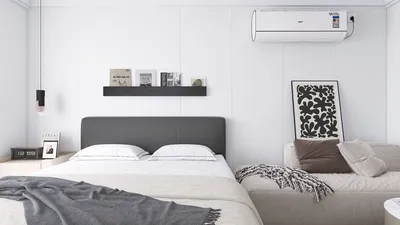


Unforgettable gatherings in a gazebo banquet hall are created through a blend of environment, comfort, and smooth transitions. I specialize in crafting these areas to highlight the natural surroundings while ensuring excellent service and guest comfort, even when weather and lighting conditions vary. In the realm of outdoor hospitality, elements such as light intensity, movement flow, seating comfort, and sound quality require as much attention as they would in indoor venues, especially when utilizing tools like Homestyler for layout planning.
Effective design begins with concrete data. For optimal guest comfort, guidelines from WELL v2 suggest maintaining ambient noise levels around 40–45 dBA in conversation-focused areas, along with specific lighting and glare reduction criteria. Research from Steelcase emphasizes that chair design and posture directly impact comfort and duration of stay; thus, seating with adequate lumbar support and dimensions between 17–19 inches can enhance guest engagement. According to Verywell Mind, the use of warm colors like amber and coral instills a welcoming atmosphere, while cooler shades such as sage and soft blue promote calmness and balance—these are crucial considerations in dining and social spaces when planning with Homestyler.
The dimensions and flow of a banquet hall significantly shape the guest experience. Standard requirements suggest 12–14 square feet per person for seated meals, which increases to 18–20 square feet when factoring in service paths and buffet areas. Maintaining a minimum of 48 inches for service routes ensures staff can navigate safely with trays and carts, and I create queuing zones out of main sightlines to preserve an open feel. For quick visual assessments of seating layouts and service pathways, a tool such as Homestyler can effectively simulate table arrangements, head table positioning, and the proximity of dance floors without obstructing picturesque garden views.
Setting the Stage: Orientation, Views, and Breeze
Align the gazebo to frame key natural elements—like water features or mature trees—ensuring that the head table and significant moments are enhanced by scenic backdrops. I analyze prevailing winds to strategically position windbreaks, such as hedges or transparent screens, that minimize turbulence while preserving the views. For sunset events, bars and welcome stations should be placed strategically opposite the glare, allowing guests to enjoy warm lighting without discomfort.
Spatial Ratios: Dining, Dancing, and Service Areas
I strive for a 60/25/15 ratio for dining, dancing, and service areas for most banquet setups. Dining zones should provide clear sightlines towards focal points; table spacing should ideally range between 60–72 inches to enable chair movement and server access. Dance floors need to cater to approximately 4.5–5 square feet per guest; for events with 150 attendees where 35–40% typically dance, a floor size between 250-300 sq ft proves sufficient. Buffets and bars should allow for a depth of 6–8 feet in queues and have staggered stations to diminish congestion.
Illumination that Enhances: Layered Lighting for Outdoor Events
Effective lighting for outdoor banquets involves multiple layers. Ambient string lights set to around 150–200 lux keep faces visible while maintaining the ambiance. Task lighting at bars and food stations should reach around 500 lux for safety. Accent lights highlighting floral arrangements and architectural features should warm (2700–3000K) to enhance textures; I consciously avoid blue-heavy LEDs that can wash out skin tones. To manage glare, I rely on shielded fixtures and indirect light reflections from canopies or soft textiles.
To ensure standards on glare and uniform lighting, I follow IES guidelines—these help create a comfortable visual field and reduce bright spots.
Prioritizing Comfort: Seating, Microclimate, and Human Comfort
Chairs with gentle lumbar support, breathable fabrics, and rounded edges alleviate pressure during lengthy meals. Tables set at 29–30 inches, paired with seating at 17–19 inches, ensure a neutral posture. The microclimate is essential in gazebo settings—strategically placed silent fans can create gentle air movement, while low-profile heaters can provide warmth in cooler weather; ample shade is crucial during midday heat. I position seating strategically away from heat sources like kitchens and glass walls that face the sun.
Achieving Acoustic Balance in Open Spaces
Banquet halls without walls can face noise issues. I incorporate soft materials—like fabric drapes, cushioned seating, rugs over deck surfaces, and green walls—to absorb sound. Live performances should be directed away from hard surfaces, and small diffusion panels can be used behind musicians to disperse sound effectively. The goal is to maintain a sound level conducive to conversation at 40–45 dBA, with music peaks around 75–80 dBA on the dance floor, while ensuring dining areas remain under 65 dBA so guests can enjoy their comfort zones.
Choosing Materials: Resilience and Touch
In outdoor settings, durability is key. I recommend using powder-coated aluminum or teak for furniture frames, high-performance outdoor fabrics that resist UV degradation, and slip-resistant decking that minimizes glare. Tabletops should be made of sealed real wood or stone composites that are stain-resistant. Sustainability is also a priority—selecting FSC-certified wood and recyclable metals ensures elegance in weathering while adhering to responsible procurement practices.
Color Psychology in Designing Atmosphere
Colors like warm whites, amber, and soft terracotta foster vibrancy in social areas; conversely, shades such as sage, dusty blue, and light gray provide tranquillity in lounge spaces. I use bolder accents judiciously—such as peony pink in floral arrangements and rich greens in foliage—to create focal points without overwhelming the visual experience. Verywell Mind’s studies underscore how warm hues enhance sociability, prompting the use of golden tones during cocktail hours, shifting to softer shades during dining.
Planning for Weather Conditions
Having contingency plans boosts confidence. I design adaptive canopies equipped with modular side panels and transparent screens to retain views even in light rain. Electrical installations should meet outdoor standards with GFCI protections, cable covers in pathways, and securely anchored fixtures. Keeping lighting for pathways on separate circuits enables swift control during transitions from dancing to speeches.
Service Workflow: Efficient and Unobtrusive
Back-of-house routes need to be clear and unobtrusive. I organize plating areas within 60–80 feet of dining spaces, ensuring non-slip surfaces and sufficient task lighting. Deliveries should have their own entry route to avoid guest areas. Bars work most effectively with dual stations—one for cocktails and another for wine/beer—to minimize lines. Clear signage along well-lit paths for restrooms maintains 48-inch unobstructed widths for easy access.
Creating Focal Points: Ceremonies, Toasts, and Photographs
The ceremonial axis must be easily viewable from every seat. Elevating the dais by 6–8 inches enhances sightlines while keeping photographer access alongside rather than through the central area. Design photo opportunities under lush, vine-covered trellises or near water features, utilizing accent lighting and reflective elements (like lanterns) to add charm without overpowering the main event.
Integrating Landscape with Design
Events in gazebos excel when the landscaping and architecture work in harmony. I create planting arrangements that mirror table floral designs—using silver-green foliage and white flowers with seasonal color accents. Path edges should have low herbaceous borders to direct guests without tripping hazards. Clearly defined steps with contrasting edges are essential for safety in low light.
Design Tools: Visualize Before Execution
Evaluating different seating configurations, service paths, and lighting setups prevents future complications. A room design visualization tool like Homestyler can be invaluable for simulating head table placements, identifying dance areas, and confirming bar locations prior to the actual setup. Iterative layout planning keeps views unobstructed and circulation intuitive.
Data-Driven Design Guidelines
For optimal lighting and uniformity, I refer to IES standards; WELL v2’s guidance influences my strategies on glare control, sound comfort, and thermal management. Insights into the emotional effects of color from Verywell Mind inform the transitions in mood throughout events, from cocktail hours to dining and dancing.
Strategy Tip 1: Seating and Table Arrangements
Employ a combination of round and rectangular tables to achieve a balance of intimacy and capacity. Angle the head table slightly to minimize direct backlighting and orient VIP tables for the best views.
Strategy Tip 2: Layered Lighting Design
Plan various lighting scenes: bright tasks for the period before guests arrive, warm ambient light for dining, specific accent lighting for speeches, and dynamic highlights for the dance portion—always ensuring egress lighting remains safe.
Strategy Tip 3: Managing Acoustics
Establish a music-focused area near the dance floor and quieter lounges around the edges. Soft furniture and greenery can help create acoustic zones without adding visual clutter.
Strategy Tip 4: Weather Preparedness
Implement side panels in advance, provide towel stations and umbrella stands, and ensure the floor has proper drainage. Maintain vendor kits filled with backup clips, gaffer tape, and cable covers.
Strategy Tip 5: Streamlined Service
Position clearing stations behind partitions, centralize water refill points, and dictate staff movement patterns to minimize congestion.
Strategy Tip 6: Effective Wayfinding and Signage
Utilize subtle, tasteful signage with high contrast for visibility at dusk. Position signs at eye level along primary pathways to key locations such as restrooms, bars, and exits.
Frequently Asked Questions (FAQ)
Allocate 12–14 square feet per person for tables and seating; increase this to 18–20 square feet to accommodate service paths and buffet areas, ensuring smooth movement and clear service lines.
Aim for approximately 150–200 lux ambient lighting for dining experiences, around 500 lux for task lighting at bars and buffets, and warm 2700–3000K lighting for decorative accents. Utilize shielded fixtures to reduce glare according to IES guidelines.
Incorporate sound-absorbing materials such as fabric drapes, rugs, and upholstered seating while directing music away from reflective surfaces. Ensure conversational areas maintain a volume around 40–45 dBA, while allowing the dance floor to peak at 75–80 dBA.
Choose tables at heights of about 29–30 inches paired with chairs at 17–19 inches, ensuring comfort with gentle lumbar support. Rounded edges on seating help reduce pressure during extended dining experiences.
Bright whites, amber, and soft terracotta hues enhance social interaction, whereas sage and dusty blue create a soothing lounge atmosphere. These insights align with established color psychology regarding emotional responses.
Separate stations for service diminish wait times, ensure 6–8 feet for queue depth, and maintain pathways for service that are at least 48 inches wide. Avoid placing bars in direct lines of sunset glare.
Incorporate modular side panels, transparent wind barriers, quiet fans, and low-profile heat sources to adapt to various weather situations. Ensure all electrical components are suitable for outdoor use and meet safety standards.
Use a balanced ratio of dining, dancing, and service areas while aligning focal points with scenic vistas. Leverage interior layout planners to verify sightlines and flow before events.
Select materials like powder-coated aluminum or teak for structural durability, UV-resistant outdoor fabrics, and slip-resistant surfaces that can endure the elements and heavy traffic.
Elevate the dais by 6–8 inches to enhance visibility, position it against a captivating natural landscape, and ensure table spacing of 60–72 inches for unobstructed sightlines and comfort.
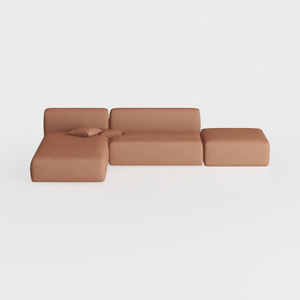
Minimalist Brown Fabric Modular Sectional Sofa 3D Model
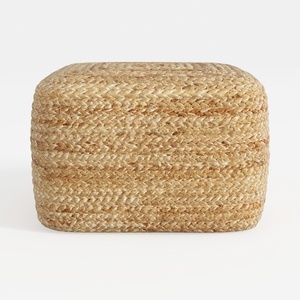
Natural Rattan Woven Square Ottoman 3D Model
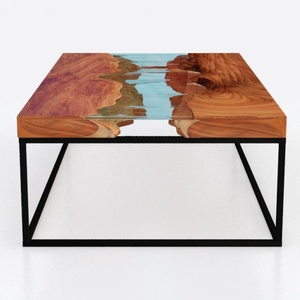
Modern Solid Wood Epoxy Resin Square Coffee Table 3D Model
Homestyler is an amazing online platform for anyone looking to design their dream home. With its user-friendly design tool, stunning 3D renderings, and a wealth of DIY video tutorials, it empowers you to create and visualize your interior space effortlessly. Start your design journey today!
立即免费设计
































