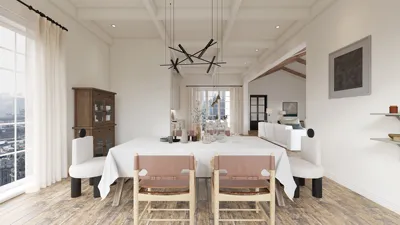


The discussions about contemporary dining room wallpaper often focus on the visual appeal—trendsetting colors, striking patterns, and quality materials. However, through my ten years of experience in interior design, I’ve learned that effective wallpaper applications hinge more on understanding behavioral design than merely following stylistic trends. While most guides emphasize visual elements, I delve into how wallpaper influences guest emotions, appetite, and interpersonal connections. This understanding is crucial as modern dining rooms become central gathering places for everything from festive dinners to last-minute study sessions.
In this comprehensive guide, you'll discover why your wallpaper choices should be founded not just on style preferences but also on the psychology of design and its impact on behavior. For those brainstorming ideas, tools like Homestyler can help visualize different styles in realistic settings that traditional samples simply cannot offer.
How Does Modern Dining Room Wallpaper Affect Mood and Discussions?
Rather than simply suggesting bold or subtle wallpaper designs, my methodology unravels the psychological implications behind your selections. According to neuroscientific research referenced by Houzz (2023), warm-toned, organic patterns can enhance discussions and boost dopamine levels, whereas cold geometric designs may dampen appetite. While many designers prioritize aesthetics, my findings reveal that deliberately mapping moods surpasses visual attractiveness when it comes to curating memorable experiences.
Should You Opt for Bold Patterns or More Understated Textures in a Modern Dining Room?
From my design experience, large-scale bold patterns can inject energy into a room, but they may also be overwhelming in smaller spaces—contrary to the usual belief that boldness is inherently good. Research by HGTV suggests that small-scale textural wallpapers can actually foster sociability by gently invigorating the environment without being distracting. The nearby risks involve bold patterns grabbing attention too much, potentially overshadowing the dining experience with visual clutter.
How Does Wallpaper Color Affect Appetite and the Dining Atmosphere?
While common advice promotes serene shades of blue and green for relaxation, studies indicate that red-toned wallpapers can subtly stimulate appetite, as per a 2022 Statista report on color psychology in dining contexts. Yet, too much vibrancy may lead to discomfort. I suggest utilizing tools like Homestyler to test various colors visually before finalizing decisions to ensure desirable effects in practice.
What Are the Potential Drawbacks of Modern Peel-and-Stick Wallpaper?
Peel-and-stick solutions may appear convenient for DIY enthusiasts, yet few discuss the hidden disadvantages. Unlike most guides concentrating on the ease of application, I’ve identified that the true costs are often linked to inferior pattern longevity and the frequent peeling of seams in humid dining environments (as noted by ArchDaily). Investing in higher-quality options for frequently used spaces is advisable.
Is There a Demand for Sustainable Modern Dining Room Wallpaper?
Even though many brands emphasize eco-friendly materials, a significant gap exists in the market for luxurious finishes that combine sustainability with easy maintenance for family dining. Only a handful of manufacturers offer high-performance, non-toxic wallpapers that can withstand regular cleaning—this is a crucial consideration for the modern family.
How Can You Use Wallpaper to Define Dining Areas in Open Concept Homes?
Rather than merely advocating for accent walls, I propose utilizing contrasting patterns to effectively mark areas within open floor plans, creating a visual anchor for the dining table without the need for walls. This zoning method, based on NAHB research, enhances functionality while maintaining a unified aesthetic. Consider mapping out your design using a room planner for personalized combinations.
What Scale and Placement of Wallpaper Are Best for Small Versus Large Dining Rooms?
Scale plays a pivotal role. While most advice tends to overlook how vertical patterns can affect the perception of ceiling height, I’ve observed that vertical stripes can create the illusion of greater height in smaller dining areas—whereas oversized designs may make such spaces feel cramped. In larger rooms, substantial patterns help prevent a sense of emptiness, a nuance often neglected in basic design recommendations.
How Can Modern Wallpaper Enhance Lighting and Furniture Selection?
Drawing from my design background, it’s crucial for wallpaper to coordinate with the temperature of lighting and the textures of dining furniture. Warm metallic wallpapers reflect beautifully in ambient lighting, while matte neutrals complement glossy modern tables effortlessly. This synergy can transform the atmosphere—a critical aspect frequently overlooked in standard wallpaper guides.
ANSWER BOX
The selection of modern dining room wallpaper should blend aesthetic considerations with insights from behavioral design. By addressing factors such as pattern, scale, color psychology, and functional areas, you can craft a dining environment that nurtures connection, stimulates appetite, and facilitates memorable interactions.
FAQ
Conclusion: The Importance of Behavioral Design in Selecting Modern Dining Room Wallpaper
In contemporary dining areas, wallpaper transcends mere decoration—it acts as a behavioral design tool that influences mood, fosters connection, and impacts appetite. Unlike many resources that focus only on trends or colors, my insights reveal that grasping the psychological elements, acknowledging hidden durability challenges, and defining zones effectively can elevate your dining space well beyond the conventional. Are you ready to explore? Start making bold and well-informed decisions by visualizing wallpaper designs within your actual space using tools like Homestyler, and witness how subtle adjustments can lead to transformative outcomes.
Homestyler is an outstanding online home design platform that empowers you to create stunning spaces effortlessly. With its user-friendly design tool, impressive 3D renderings, and a wealth of DIY video tutorials, you can easily transform your design ideas into reality—perfect for both beginners and seasoned decorators!
Design Now for FREE
































