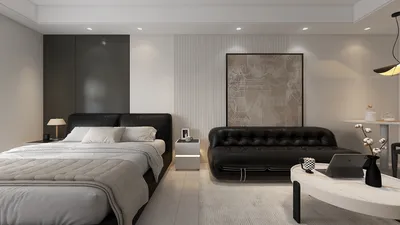


As gaming continues to evolve with platforms like Xbox leading the way, many enthusiasts are seeking dedicated spaces that blend comfort with functionality. Creating a gaming nook within your home involves thoughtful space planning to accommodate consoles, screens, and seating that enhances immersion. Integrating ergonomic furniture and smart storage solutions can transform a living area into a stylish and efficient gaming retreat that balances entertainment with everyday living.
I once attempted to fit a crib into a client's walk-in wardrobe, thinking it would create a cozy atmosphere — I quickly dismissed that idea. Although small spaces present challenges, they also inspire creative solutions. With a decade of experience working on tiny nursery projects, I've developed strategies to maintain safety for the baby while keeping the environment serene. To help you get started, I’ve assembled some effective room layout examples that work well in studios and micro-apartments.
Tips 1:
Here are five mini crib ideas that I frequently incorporate in my projects, complete with practical details (dimensions, storage strategies, and considerations). Some of these choices are budget-friendly, while others may require some carpentry skills, yet all of them optimize space and prioritize safety.
save pin
1. Mini Convertible Crib
I adore mini cribs that can convert because they adapt as the child grows: starting with a newborn bassinet height, transitioning to a toddler rail, and finally transforming into a small daybed. This option offers great longevity — just one purchase can serve for several years — though true convertible models tend to have a higher initial cost and require space for the final configuration. A pro tip: select a crib with an adjustable mattress base and reliable safety certifications.
save pin
2. Wall-Mounted Folding Crib
Consider a wall-mounted folding crib as the baby version of a Murphy bed. This design saves floor space for play during the day and can be lowered for use at night. It's a fantastic solution for extremely compact layouts, but ensure you engage a skilled installer and account for clearance near windows and radiators. I once specified one for a tiny flat in London — the parents really appreciated reclaiming their living room during the daytime.
save pin
3. Bassinet Nook with Storage
In the early months, a designated bassinet nook inside a closet or right next to the parents' bed can be a space-efficient solution. Adding built-in shelves around the nook for diapers and clothes makes late-night changes a breeze. If you are sketching out layout ideas, it's helpful to compare various convertible crib designs and storage combinations early on to avoid needing retrofits later.
save pin
4. Crib-Desk Combo for Growing Kids
One of my favorite tricks for small apartments is a crib that can later transform into a desk or bench — it keeps the footprint functional as your needs evolve. This approach requires foresight: select materials and finishes that will age well, and plan for power outlets for future lighting or laptop needs. While it may not be the most affordable option, it offers a high return on investment if you plan to stay long-term.
save pin
5. Travel-Style Portable Mini Crib
Portable mini cribs are incredibly convenient: they're lightweight, foldable, and can be easily tucked away in a closet when not needed. While they may not be as durable as solid wood models and often feature simpler designs, they are ideal for flexibility or if you anticipate moving. When discussing small nurseries with clients, I often showcase a few models alongside compact beds to illustrate space-saving layout inspirations that suit their rooms.
save pin
FAQ
Q1: Are mini cribs safe for newborns?
A: Yes, as long as the mini crib adheres to current safety standards (no drop sides, correct slat spacing, firm mattress). Always comply with the manufacturer's age and weight recommendations and keep soft items out of the sleep area.
Q2: How long can I use a mini crib?
A: Many mini cribs are designed for usage until around 12–24 months, depending on the child’s size and the crib’s specifications. Check the conversion options if you wish to extend usability.
Q3: Is a convertible crib worth the extra cost?
A: If you're looking for a single long-term solution, convertible cribs can be economical over their lifetime. While the upfront investment is higher, this avoids needing to purchase multiple beds as your child matures.
Q4: Can I place a mini crib in a closet or alcove?
A: Yes, as long as there is sufficient ventilation, no heating elements present, and you provide enough access for emergency removal. Built-in nooks work best when designed with airflow and visibility in consideration.
Q5: What should I avoid with mini cribs?
A: Steer clear of cribs with missing safety labels, recalled hardware, or unstable fittings. If possible, avoid used models if you cannot confirm they meet current safety standards.
Q6: Any quick budget tips for small nurseries?
A: Focus on having a safe sleep surface and consider secondhand storage options like dressers. Invest in one quality piece (the crib) and pair it with affordable textiles and DIY shelving to maximize your budget.
Q7: When should the baby switch to a toddler bed?
A: Typically when they begin climbing out or exceed the crib’s height/weight limits — usually around 18–36 months. Always check the manufacturer guidelines.
Q8: Where can I find official safe sleep guidance?
A: The American Academy of Pediatrics offers evidence-based safe sleep recommendations and policy statements (see Pediatrics, 2016: https://pediatrics.aappublications.org/content/138/5/e20162938).
save pin
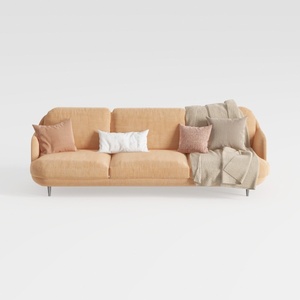

Modern Minimalist Peach Fabric Sofa with Throw Pillows and Blanket 3D Model
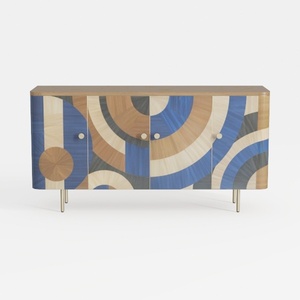
Art Deco Geometric Pattern Solid Wood Sideboard with Metal Legs 3D Model
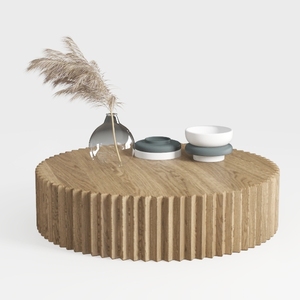
If you're looking to transform your home design ideas into stunning reality, Homestyler is your go-to platform! With an intuitive online design tool, breathtaking 3D renderings, and a treasure trove of DIY video tutorials, creating your dream space has never been easier or more enjoyable.
지금 무료로 디자인하세요
































