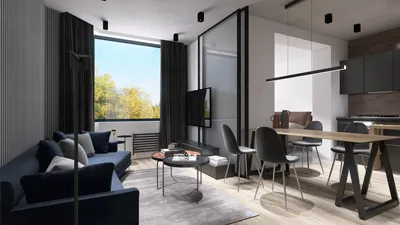


The future of living constantly demands higher efficiency within compact spaces, while modern inhabitants grapple with issues of storage, privacy, and seamless flow. I sense a wave of change on the horizon: smaller living areas require more thoughtful organization, with 30x30 2 BHK floor plans becoming the standard. Industry insights resonate with me—NAHB research indicates that buyers consistently favor functional designs over mere size—and that’s precisely where this design footprint gains traction. The future is approaching, and I can already see it shaping our living spaces much like algorithms. Enter the spatial reasoning toolkit.
Split-Core Axis Featuring Dual Light Wells
Design Concept: A central column divides the communal and private spaces, while two opposite windows serve as natural light sources, promoting circadian rhythm and thermal stability in a two-bedroom environment.
Flow: From entryway to coat nook, transitioning to the living area, kitchen, bedroom, and finally to the bathroom; ensuring there’s no interference between sleeping and social activities.
Sightlines: From the entrance, a gentle diagonal view connects the living area to the balcony; bedrooms remain serene with sightlines focused on light rather than chaos.
Storage: Full-height wall compartments along the central axis, bed bases offering storage, and a kitchen pantry arranged like tiers for daily and weekly organization.
Furniture Arrangement: A sofa measuring 84–90 inches, a 30-inch deep media wall, and queen beds with 24 inches of clearance on either side; these configurations maintain low latency in movement and functionality.
Conclusion: This axis-oriented layout provides long-term benefits for small families: privacy remains intact while the shared spaces accommodate hybrid work and evening relaxation comfortably.
save pin
Corner-Kitchen Ring with Integrated Study
Design Concept: The kitchen situated in the corner transforms into a productivity hub; a dining and living circle surrounding it minimizes movement and thermal overlap, complemented by a pocket study serving as a remote work space.
Flow: Entry leads into a circular path circulating past dining, kitchen, study, and bedrooms; this design avoids dead ends, akin to resilient network routing.
Sightlines: The kitchen sightline oversees dining and play areas; the study is tucked behind a pocket door, effectively concealing screens to maintain visual tranquility.
Storage: Continuous cabinets along the ring wall with 16–18 inches of depth; a utility closet near the entry serves as an important storage zone; the study incorporates vertical filing to reduce clutter.
Furniture Arrangement: A 42-inch round dining table, a modular sectional sofa, and a compact desk (48"×24"); clearances maintain 30–36 inches for unobstructed flow.
Conclusion: For families balancing meals, homework, and meetings, this circular design centralizes energy needs while isolating noise, establishing a pattern I expect to see dominate in smaller living spaces.
save pin
Offset Bedrooms with Shared Tranquility Corridor
Design Concept: Offsetting the bedrooms reduces sound interference, while a shared corridor serves as a tranquil interface for reading, stretching, and night movements.
Flow: Entry to living space → corridor transition → bedroom A → bathroom → bedroom B; this sequence effectively avoids overlaps between public and private areas.
Sightlines: The corridor presents long, soft views; the living area focuses on a single expansive window, promoting a calm and functional daytime appearance.
Storage: Niche corridor wall provides additional space (20 inches deep), each room features dual closets, and overhead compartments above doors accommodate seasonal storage.
Furniture Arrangement: Full or queen-sized beds with at least 60 inches per room, 18-inch bedside storage units, and a narrow console in the corridor; each area respects necessary space for movement.
Conclusion: This design functions with precision akin to coding: sound, light, and movement are compartmentalized, facilitating multigenerational sleep patterns and the hybrid lifestyles of the future.
save pin
Final Thoughts
Within the realm of 30x30 2 BHK floor plans, optimal solutions focus less on mere area and more on the interaction between various elements: how flow, sightlines, and storage work as a cohesive unit. Variants such as compact two-bedroom apartments and small family layouts confirm that thoughtful intention surpasses mere square footage when organized effectively. In my observations, the homes that feel poised for the future are those where every inch is utilized wisely and the overall design flows harmoniously, a sentiment well-supported by tools like Homestyler.

Mid Century Modern Solid Wood Geometric Pattern Dresser 3D Model


Vintage Metal Multi Tiered Plant Stand 3D Model
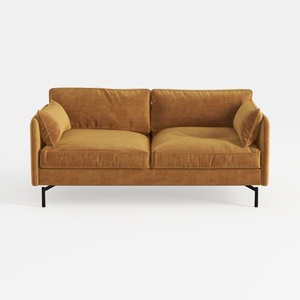
Modern Velvet Upholstered 2 Seater Sofa With Black Metal Legs 3D Model
Homestyler is your go-to online platform for effortless home design. Utilize its user-friendly design tool, explore stunning 3D renderings, and access a wealth of DIY video tutorials. Transform your space with confidence and creativity, whether you're a beginner or an experienced designer!
Design Now for FREE
































