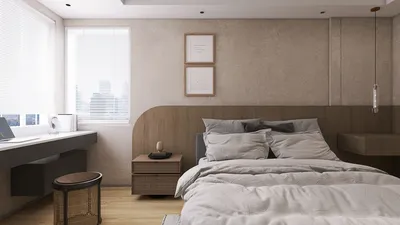


In small bedrooms, nightstands need to be functional beyond merely supporting a lamp. I prioritize compact designs that visually anchor the bed, keep essential items within easy reach, and foster a soothing lighting ambiance. For limited spaces, a height of 16–20 inches typically aligns well with standard mattress levels, ensuring that lamp controls are easily accessible and promoting good shoulder posture. By layering wall-mounted features with slim-legged furniture, the visual weight is minimized, enhancing space flow.
The quality of lighting is essential. The Illuminating Engineering Society suggests that task lighting should range from 300 to 500 lux for reading purposes, while warm white color temperatures between 2700 to 3000K are ideal for unwinding without disrupting circadian rhythms. I like to incorporate dimmable plug-in sconces above compact nightstands to free up surface area and control glare; WELL v2 guidelines also stress the importance of visual comfort through appropriate contrast and task illumination. For further insights into lighting standards, I often refer to ies.org/standards and wellcertified.com.
Wall-Mounted Nightstand Shelves
Using floating shelves transforms wall space into storage beside the bed, creating an illusion of larger floor areas and facilitating easier cleaning. A dual-tier shelf setup with a depth of 10–12 inches keeps glasses, books, and a small carafe easily accessible, while the narrow ledge above accommodates a clamp lamp or wireless charger. I position the lower shelf about 3–4 inches below the mattress height to minimize the risk of knocking items over in low light. If your bed is positioned under a window, align the shelf bottoms with the window sill for a streamlined look.
Stacked Crates with Integrated Charging
Vertical arrangements of stained wood crates provide open storage along with an artisanal appearance without adding visual bulk. I secure them with L-brackets and include a hidden cable channel at the back for a power strip and USB-C hub. Keeping the upper crate’s base around 24–26 inches high ensures that a reading lamp is positioned at or slightly above eye level when seated. For acoustic comfort, felt pads beneath the bottom crate can help minimize vibrations, especially in apartment settings.
Slim Pull-Out Nightstand
In cases where space is limited, a 9–12 inch wide pull-out nightstand can be partially tucked under the bed or positioned alongside it like a sleeve. A top surface with a routed finger pull facilitates easier nighttime access. I favor full-extension slides with soft-close features to keep noise to a minimum and prevent slamming. A matte finish—offering low sheen and high diffusion—helps in reducing glare during nighttime.
Fold-Down Bedside Ledge
A wall-hinged ledge equipped with a stay bracket works effectively in micro-sized rooms or guest accommodations. When closed, it remains almost unnoticeable; when opened, it can hold a book, mobile device, or tea light. Incorporating rounded corners and a minimum depth of 10 inches ensures stability. If your bed is placed against a shared wall, rubber bumpers and magnetic catches can help to minimize rattling.
Stool as a Nightstand
A durable stool serves as both a nightstand and an occasional seat. Choose one with a top diameter around 12-14 inches, and ensure the finish is resistant to water rings from carafes. In compact spaces, three-legged stools are better for uneven surfaces and offer a lighter look. Pairing this with a plug-in sconce helps keep the surface tidy, enhancing cleaning routines and maintaining nighttime tasks within a comfortable ergonomic zone.
Narrow Ladder Nightstand
A shallow ladder, measuring 12–14 inches in overall depth, anchored against the wall provides tiered space for books and small plants while allowing for a clip-on lamp arm. This vertical approach creates a perception of taller rooms. To maintain visual harmony, I recommend sticking to a cohesive material palette—such as pairing ash wood with matte black hardware—and limiting accessories to just three per rung.
Drawer Cubes on Hairpin Legs
Compact drawer cubes raised on 8–10 inch hairpin legs offer storage while allowing visibility of the floor. A single drawer can neatly conceal medications and cables, while an open section below keeps a current book handy. For a calming atmosphere, I tend to opt for muted blues or sage greens around the bed, supported by color psychology research which associates these hues with relaxation, as detailed by VerywellMind.
Cantilevered Corner Nightstand
Make use of the awkward space where the bed meets a corner by installing a triangular cantilever shelf secured by concealed brackets. This ensures clear circulation along the longer side of the bed. Ensure the brackets are anchored to at least two studs and restrict the load to a small lamp and a stack of books. Solid wood or plywood with a hardwood veneer is recommended for durability and to prevent warping.
Rolling C-Table
A slender C-table with quiet casters can slide over the mattress for late-night tasks or breakfast in bed, then be tucked neatly against the wall. Aim for a tabletop height between 26–28 inches to prevent wrist discomfort. Adding a lip can help keep items secure while moving the table. Soft rubber casters are beneficial for protecting floors and minimizing noise.
Minimal Pegboard Nightstand Wall
A compact pegboard area functions effectively as a vertical nightstand: it can hold small shelves, hooks for headphones, and a cradle for a tablet. Position shelves between 24–30 inches above the mattress to ensure they’re easily accessible. Integrating a fabric pocket can soften the visual clutter and conceal chargers.
Materials and Finish Considerations
In small bedrooms, the choice of materials and their finishes plays a vital role. Low-gloss surfaces can help minimize glare, enabling lamps to diffuse light softly. Utilizing natural fibers like linen and wool blends in nearby textiles helps to absorb sound, leading to a quieter ambiance. If choosing solid wood, it's beneficial to select FSC-certified species and water-based finishes that contribute positively to air quality and sustainability. Softening edges (2–3 mm radius) enhances tactile comfort and diminishes the likelihood of bumps during the night.
Storage Ratios and Visual Balance
My goal for bedside storage is a 60/40 ratio between closed and open areas. Closed storage provides a calming view, while open spaces keep daily necessities visible. Ensuring that nightstand dimensions occupy 60–70% of the width of the adjacent side wall helps to maintain balance around the bed. By repeating materials across lamps, pulls, and shelf brackets, a sense of continuity is established without feeling overly designed.
Layout Considerations
In small bedrooms, clarity in circulation is crucial. Aim for a minimum of 24 inches of walking space beside the bed, or 20 inches in very tight quarters, provided the furniture edges are rounded. Before any construction or purchase, testing layout footprints with a simple interior layout planner or a room design visualization tool like Homestyler can help to simulate clearances and light switch accessibility. This proactive approach reduces the chance of a poor fit and ensures that the bedside area remains comfortable and serene.
- Pre-finish components to avoid fumes in bedrooms.
- Conceal cables using adhesive raceways and rear grommets.
- Incorporate felt or cork pads to protect floors and dampen vibrations.
- Secure any piece over 24 inches tall to the wall for safety.
FAQ
Q1: What is the ideal height for a nightstand in a small bedroom?
A1: Aim for a height of 16–24 inches depending on the mattress thickness; this keeps lamp controls and a water glass within a comfortable reach zone whether seated or lying down.
Q2: How much illumination is needed for reading beside the bed?
A2: Aim for a brightness level of 300–500 lux at the reading material. Use warm white (2700–3000K) lamps with dimmers to facilitate evening routines while minimizing glare.
Q3: Which finishes can help reduce nighttime glare?
A3: Opt for matte or low-sheen finishes, as well as diffused lampshades and soft-textured surfaces, to limit bright spots and visual fatigue.
Q4: Can wall-mounted shelves serve as a substitute for a nightstand?
A4: Yes. A two-tier floating shelf positioned close to mattress height keeps essentials at hand and frees floor space, making small rooms appear more spacious.
Q5: How can I manage charging clutter by the bedside?
A5: Organize cables via a rear channel, include a small power strip within a crate or drawer, and consider utilizing wireless chargers attached to the upper shelf or ledge.
Q6: What dimensions work best in constrained areas?
A6: Maintain a width between 9–14 inches and depth between 10–12 inches. Focus on vertical storage solutions—ladder shelves, pegboard setups, or stacked crates.
Q7: Are rolling C-tables feasible as nightstands?
A7: Definitely. They can slide over the mattress for tasks and then tuck against the wall. Choose options with soft casters and a lip on top to prevent spills.
Q8: How can I ensure a visually calm environment?
A8: Maintain a 60/40 ratio for closed to open storage, minimize accessories, use consistent materials, and select muted colors like soft blues or sage greens for a peaceful atmosphere.
Q9: What safety measures should I take when constructing DIY units?
A9: Secure taller or leaned units, round corners for safety, implement soft-close mechanisms, and pre-finish to eliminate fumes in sleeping areas.
Q10: Do I need both a lamp and a sconce?
A10: Not necessarily. A plug-in sconce positioned above a compact nightstand can free up surface area while still providing adequate reading light; adding a dimmer enhances versatility.
Homestyler is an outstanding online home design platform perfect for anyone looking to transform their space. With its user-friendly design tool, stunning 3D renderings, diverse design projects, and helpful video tutorials, you can easily create your dream home, no matter your experience level!
지금 무료로 디자인하세요
































