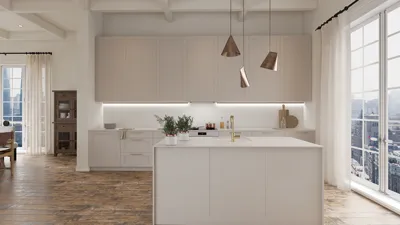


NKT Hall in Thane is part of an expanding network of venues catering to weddings, corporate meetings, cultural events, and social gatherings throughout Thane. The focus here is on practicality: understanding how to assess hall capacity, acoustics, lighting, circulation, and materials ensures your event runs smoothly and impressively, whether you're accommodating 150 or 800 guests. To simplify the planning process, consider using tools like Homestyler to visualize layouts effectively.
When selecting a venue, actual performance metrics are crucial. The WELL v2 standards recommend achieving ambient light levels of approximately 300–500 lux in multipurpose areas, with enhanced task lighting reaching 500–1,000 lux in areas designated for presentations (source: WELL Building Standard, Light concept). For seated events, ergonomic studies highlight that optimal chair support and posture are vital for maintaining focus in sessions lasting longer than 45 minutes, emphasizing the importance of appropriate seating for conferences. These insights help me evaluate halls in Thane, including NKT, beyond mere design aspects.
Acoustic design is essential for ensuring clarity during ceremonies and speeches. I adhere to IES guidelines for glare control alongside balanced illumination and strive for reverberation times of around 0.8–1.2 seconds in rooms focused on speech—though these goals may vary based on volume and finishing details. Research from Steelcase shows that inadequate acoustic environments can hinder performance metrics and increase cognitive strain during focused tasks; while events aren’t workplaces, the principle remains: improved sound quality leads to enhanced engagement.
Evaluating Venue Character and Capacity
Begin by aligning the venue's capacity and ceiling height with the nature of your event. For banquet-style seating, I typically allocate 10–12 square feet per guest, in addition to allowing for 25–35% space for circulation lanes needed for service and photography. For theatre-style seating arrangements, allocating 6–8 square feet per attendee is advisable, while also accounting for stage depth (minimum 20–24 feet for multimedia performances) and backstage storage. A venue like NKT typically includes adaptable partitions and standard banquet layouts; it's vital to confirm pillar placements, clear spans, and rigging points in case heavy decorations or AV equipment are involved. Utilizing Homestyler for layout planning can enhance this process.
Layout Considerations: Movement, Line of Sight, and Staging
Effective event designs prioritize guest movement, sightlines, and the hierarchy of zones. I pinpoint key areas for guest arrival, registration, green rooms, food and beverage stations, and the main stage to ensure lines do not cross service routes. Maintain a distance of 5–6 feet between backstage exits and guest tables to prevent crowding and unwanted noise. If the venue supports diverse layout options, leverage a room layout tool like Homestyler to simulate seating arrangements, aisle widths, and sightline dynamics prior to finalizing your plan—this minimizes adjustments needed on-site and ensures a seamless AV experience.
Lighting Strategy: Multi-layered, Glare-Free, and Photogenic
My lighting approach consists of three layers: ambient (setting a foundational level of 300–500 lux), accent (highlighting floral displays, stages, or backdrops), and task (500–1,000 lux for lecterns or demonstration tables). For ceremonies and dining, I use 3000–3500K warm white light, adjusting to 3500–4000K for corporate functions where precise color rendering enhances branding and photography outcomes. Aim to mitigate glare with indirect uplighting and properly adjusted baffle trims; positioning spot lights at a 30–35° angle minimizes face shadows—crucial for effective photography. The dimming process should be fluid; ensure the venue has DMX capabilities if your event includes dynamic lighting cues.
Acoustics and AV Clarity
Understanding the relationship between speech clarity and balanced RT60 metrics, as well as strategic speaker placement, is critical. Avoid having bare walls that are parallel; instead, request softer finishes (like draperies and carpets) or utilize freestanding acoustic panels to minimize echo effects. For larger venues, line-array speakers provide much more consistent coverage than single source speakers. Position subwoofers in off-stage corners to limit low-frequency buildup under the performance area. Always conduct a sound check prior to the event with both the host and the quietest speaker to calibrate levels before guests arrive.
Utilizing Color Psychology and Mood Enhancement
Color choice can significantly influence the atmosphere of a room. According to insights from Verywell Mind on color psychology, warm colors evoke energy and sociability, while cooler shades like blue and green foster trust and tranquility. For weddings, I often blend warm ambient lighting with neutral base materials, allowing the flowers' colors to stand out. Corporate events benefit from a more muted color scheme that incorporates brand-consistent accents; over-saturated uplighting that distorts skin tones in photos should be avoided.
Material Selection, Decor, and Sustainability
Choose materials that withstand high traffic: use low-VOC paints and stain-resistant upholstery, alongside modular stage platforms. If the venue supports reusable decor systems—like fabric truss covers and adjustable backdrop structures—capitalizing on these options can help minimize waste. Always confirm that flooring near buffet or beverage islands achieves a high slip resistance (aiming for elevated coefficient of friction), and ensure any drapery for stages is flame-retardant. For flower arrangements, coordinate with vendors for eco-friendly disposal and composting processes.
Human Factors: Seating Arrangements, Aisles, and Accessibility
Comfort can vastly extend audience engagement times. For banquet configurations, maintain at least 18 inches between chairs and a minimum of 36-inch aisles for servicing needs. If elderly guests or those requiring mobility assistance are attending, accessible seating should be positioned within 20–30 feet of exits and restrooms, ensuring ramp slopes comply with local regulations. Elevation matters as well: elevate stages to 24–36 inches for audiences over 200 people, and lower it to 12–18 inches for more intimate gatherings to reduce perceived barriers.
Back-of-House and Vendor Coordination
Successful events are often dependent on what happens behind the scenes. Verify load-in routes, elevator load capacities, and power distribution (ensure three-phase power is available for lighting setups). Ensure separate areas for vendors from green rooms, and request at least two preparation sinks for caterers where the venue’s utility infrastructure permits. Clearly mark locations for cold storage and reheating stations to keep service efficient.
Thane Venue Evaluation Checklist
When comparing NKT Hall with other venues in Thane, it's essential to evaluate: ceiling heights and rigging points; column-free areas; in-house AV details (mixing console channels, lighting controls, projector specifications); breakout room availability; bridal or green room specifics; parking availability ratios; and proximity to transit options. If your agenda requires simultaneous sessions, opt for venues with divisible spaces and acoustic barriers designed for speech privacy.
Budgeting, Contracts, and Contingency Planning
Request a detailed quote outlining costs for hall rental, audiovisual services, staging, decorative elements, catering, staffing, and any potential overtime. Secure clauses for backup power sources and set sound limits in case late-night music is planned. During monsoon seasons, negotiate provisions for indoor fallback options and canopy shelters for valet services. Include a 5–10% contingency to accommodate last-minute seating changes or AV upgrades.
Sample Layouts for NKT Hall
• Wedding banquet (350–450 guests): Table rounds for ten, with 16–18 tables per area, a central aisle measuring 12 feet, and a stage that is 36 feet wide by 20 feet deep, featuring back-of-house drapery.
• Corporate theatre (250–600 guests): Staggered seating arrangements, with center and side aisles, lectern on the left, confidence monitor on the right, and two relay screens set mid-room for lengthy spaces.
• Mixed-purpose gala (300–500 guests): Cocktail seating positioned close to the entrance, seated areas near the stage, and food/beverage stations located at rear corners with dual-sided service for efficiency.
Photography, Film, and Live Streaming
Evaluate blackout options and ceiling mounting points for softboxes. Utilize 5600K for key lighting in video streams and adjust ambient light to the 3500–4000K range. Ensure the venue's internet provides sufficient bandwidth for a 1080p stream; a hardwired connection is preferable in crowded Wi-Fi scenarios. Position camera tripods 2–3 rows behind the first aisle to avoid obstructing guest views.
Detailed Event Schedule: Hour-by-Hour Coordination
I maintain a cue sheet correlating lighting, audio, and stage transitions with specific timestamps. Allocate approximately 10 minutes between major segments, and plan for plated service or buffet setups during non-speech-heavy intervals. A single stage manager equipped with communication tools connecting to AV, catering, and floor managers simplifies operations and reduces last-minute chaos.
References for Authority
For guidance on lighting standards and occupant comfort, the WELL Building Standard: v2 Light concept provides excellent benchmarks for multipurpose areas. Additionally, workplace studies by Steelcase reveal how environmental quality and noise can impact cognitive function and engagement—crucial when optimizing spaces for clarity and comfort.
Frequently Asked Questions
Q1: What level of ambient lighting should I aim for in a multipurpose event venue in Thane?
A1: Target an ambient light of 300–500 lux and consider 500–1,000 lux for task lighting on stages or lecterns, in accordance with WELL v2 recommendations for visual comfort.
Q2: How can I enhance speech clarity in extensive halls?
A2: Mitigate reverberation using soft materials such as carpets and draperies, employ line-array speakers for even sound distribution, and place subwoofers strategically off-stage. Calibration during quiet sound checks is also key.
Q3: What is the optimal seating density for banquet configurations?
A3: Plan for around 10–12 square feet per guest, including an additional 25–35% for circulation paths for service and photography. Ensure main aisles are at least 6 feet wide for movement.
Q4: Which color temperatures are best for weddings compared to corporate events?
A4: Weddings typically thrive at 3000–3500K warm white; corporate environments tend to benefit from 3500–4000K to provide clearer visuals and better brand representation.
Q5: How can I ensure a venue's AV system is ready?
A5: Evaluate mixing console inputs and outputs, projector capabilities, dimmer options, DMX compatibility, and available rigging points. A full technical rehearsal with your scheduled cues is advisable.
Q6: What details regarding accessibility should I include in planning?
A6: Incorporate 36-inch minimum aisles, accessible seating arrangements near essential exits and restrooms, compliant ramp specifications, and unobstructed sightlines with stage heights adjusted for audience size.
Q7: How can I minimize waste in decor and staging processes?
A7: Employ reusable backdrop structures, modular staging elements, low-VOC materials, and arrange for environmentally-conscious cleanup for floral arrangements. Utilize LED lighting to conserve energy and heat.
Q8: What strategies should I adopt to avoid service delays?
A8: Streamline guest movement from back-of-house areas, position food and beverage stations strategically around the room, and design for double-sided buffet setups. Keep a 5–6 foot gap behind service access points.
Q9: How do I prepare for contingencies during monsoon seasons?
A9: Discuss indoor fallback options for pre-event settings, request canopy coverage for drop-offs and valet areas, and ensure that generator backup plans and cable protection are in place for damp scenarios.
Q10: Is it possible to visualize seating and sightlines before finalizing?
A10: Absolutely. Utilize an interior layout planner or a design visualization tool like Homestyler to create models of table placements, aisle widths, and stage perspectives so you can refine before signing your contract.
Resourceful Links
Learn more about lighting comfort guidelines at WELL v2 and workplace environmental insights at Steelcase Research.

Minimalist Walnut Solid Wood Dining Table 3D Model
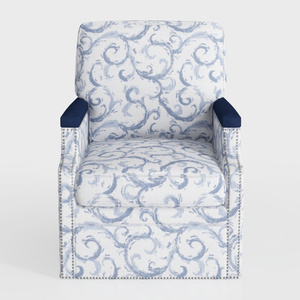
Blue Printed Fabric Upholstered Armchair with Nailhead Trim 3D Model
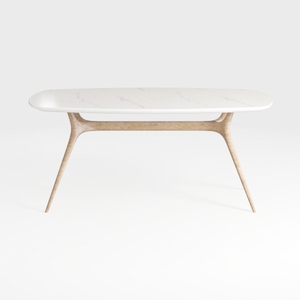
Modern Marble Top Solid Wood Dining Table 3D Model
Homestyler is an outstanding online home design platform perfect for anyone looking to visualize their dream spaces. With its user-friendly design tool, stunning 3D renderings, extensive design projects, and informative video tutorials, it makes home design accessible and fun for everyone. Let your creativity shine!
Design jetzt kostenlos
































