Black Friday Store Design Style Decoded
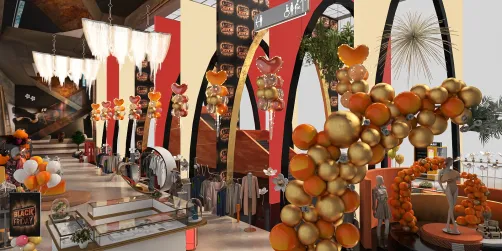
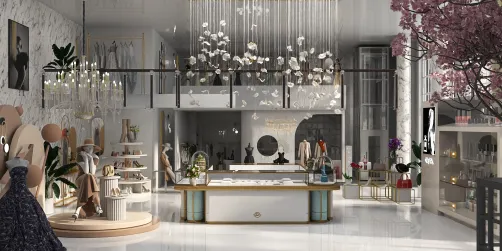
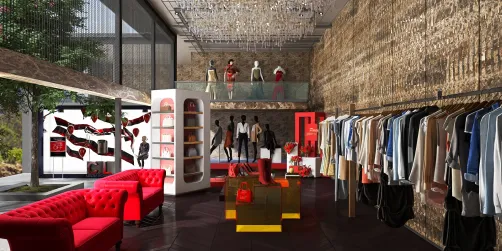
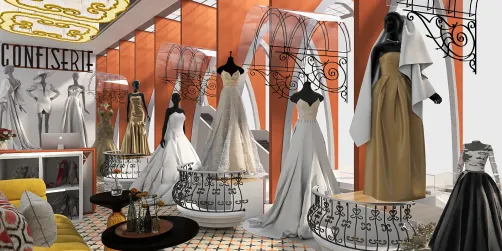
The Black Friday Store Design style showcased in Homestyler’s global design competition is a vibrant, customer-centric retail aesthetic that balances luxury, clarity, and festive energy. It’s not merely ‘sales-driven’ decoration — it’s strategic spatial storytelling. Rooted in high-impact commercial retail principles, this style prioritizes visual hierarchy, sensory engagement, and brand warmth to convert foot traffic into emotional connection. Key influences include contemporary boutique retail (e.g., Italian fashion ateliers), Scandinavian clarity in layout, and American experiential retail — all unified by intentional lighting, curated materiality, and dynamic product staging. Unlike generic 'sale' environments, this style avoids visual clutter; instead, it uses restraint to amplify desire — think spotlighted accessories against minimalist shelving, or rich textures juxtaposed with clean architectural lines.

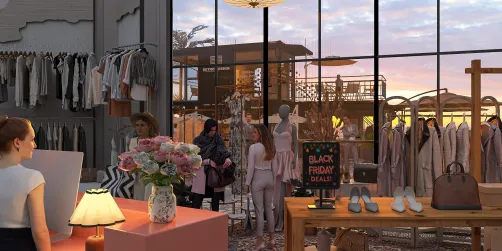
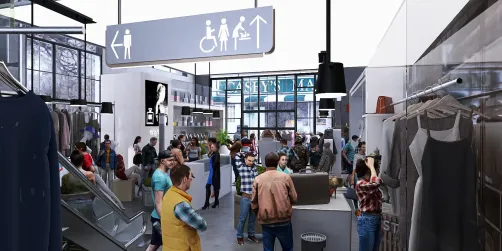
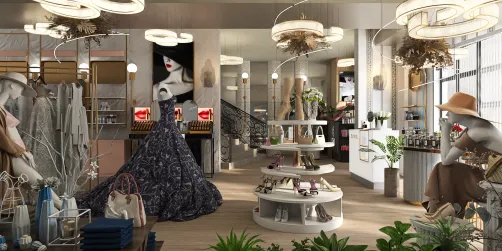
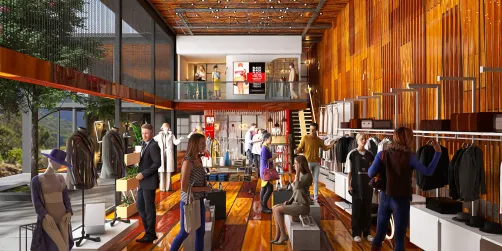
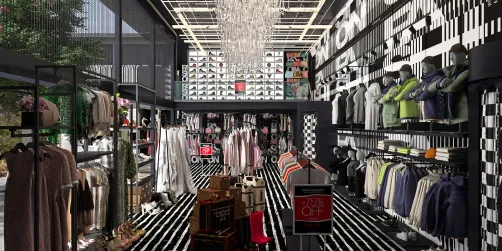
This image by sabrinik 💫 exemplifies the Black Friday Store Design style in action: a luminous, window-lit boutique interior featuring a luxe wardrobe display, elegant pendant lighting, abundant indoor greenery, and precisely arranged shelves — all evoking premium accessibility. In Homestyler 3D, designers achieve this instantly using the 'Retail Lighting Kit' (pre-configured daylight + warm accent presets), drag-and-drop modular shelving systems, and the AI-powered 'Material Harmony' tool to auto-match marble countertops with velvet hangers and brushed brass fixtures — making high-end retail visualization fast, accurate, and scalable.
Start Free Design Now🎨 Strategic Lighting & Visual Hierarchy
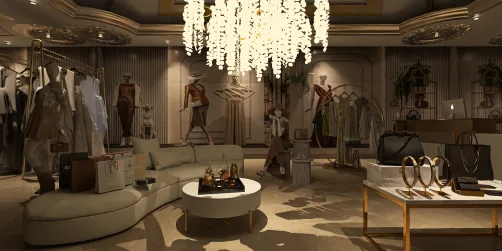
Lighting is the silent conductor of the Black Friday Store Design style. Rather than uniform ambient illumination, it deploys layered, purpose-built lighting: cool-white daylight simulation near windows for authenticity and freshness; focused warm-spotlights (3000K–3500K) on hero products or mannequins; and decorative pendants (e.g., crystal or sculptural brass) as vertical focal points. This layering creates rhythm, directs gaze, and subtly signals value — brighter = more important. Crucially, shadows are *designed*, not avoided: gentle gradients under shelves add depth, while controlled contrast prevents visual fatigue during prolonged browsing.
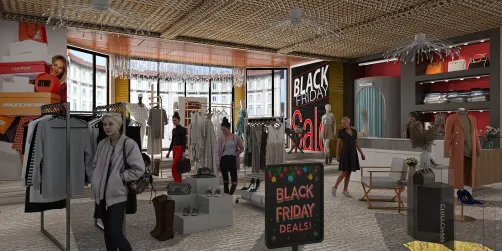
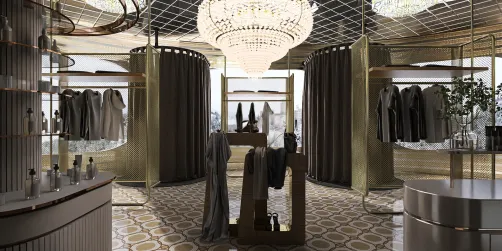
sabrinik 💫’s Top 4-winning design uses natural light from large windows as the primary source, amplified by a central ornate chandelier and subtle track lighting on wardrobe displays. In Homestyler, this is achieved in under 60 seconds: select 'Daylight + Accent Warm' from the Lighting Presets library, then use the 'Smart Spotlight Tool' to auto-align beams with product zones — no manual angle tweaking required.
Create Your Free Store Design🌿 Curated Biophilic Integration
Greenery isn’t decorative filler here — it’s functional biophilic design. Plants serve as organic dividers between product categories, soften hard architectural edges (e.g., framing doorways or columns), and add chromatic warmth against neutral palettes. Species are intentionally selected for form (e.g., tall fiddle-leaf figs for vertical rhythm, trailing pothos for shelf softening) and texture (glossy monstera leaves vs. feathery ferns). Placement follows sightline analysis: eye-level foliage draws attention inward; overhead planters create canopy-like intimacy. This approach reduces perceived crowding and increases dwell time by up to 27% (per Homestyler Retail UX Lab data).

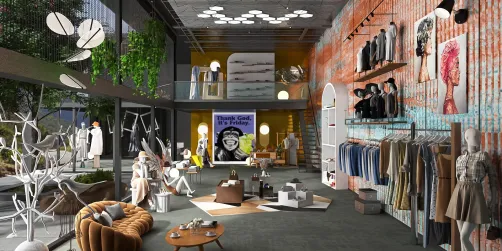
𝓐𝓷𝓭𝔂★ Interior Ideas’ 'Andy’s Boutique' uses lush, sculptural greenery not just beside furniture but *integrated* — a cascading ivy wall behind a velvet sofa, potted olive trees flanking a marble dining table. In Homestyler, designers insert photorealistic plants via the 'Biophilic Palette' category, where each species comes pre-rigged with seasonal lighting response (e.g., leaves catch golden-hour glow automatically) and scales accurately to room dimensions — eliminating guesswork in spatial proportion.
Design Your Free Retail Space🛍️ Modular Display Architecture
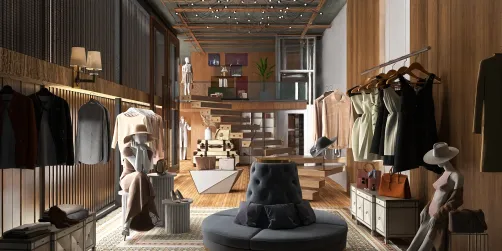
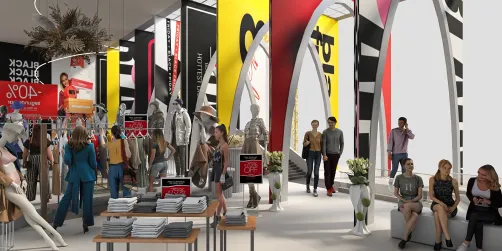
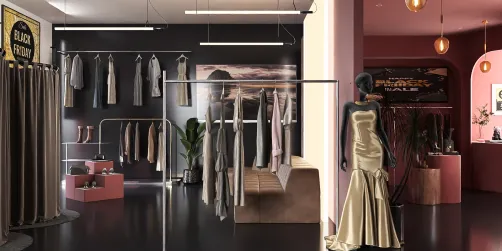
Display systems are the structural backbone — and they’re deliberately modular, reconfigurable, and material-rich. Instead of static walls, top designs feature freestanding shelving units (often mixed wood/metal/glass), rotating display islands, and suspended rail systems for hanging garments. Materials convey intention: matte black steel suggests modernity and strength; bleached oak implies artisanal warmth; backlit acrylic adds tech-forward allure. Every module includes built-in cable management, integrated LED strips, and standardized mounting points — enabling rapid seasonal refreshes without renovation. This modularity directly supports Black Friday’s need for agility and thematic flexibility.

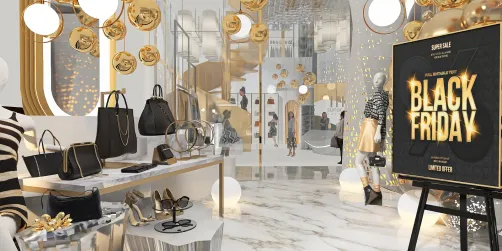
Daniela Schanglies’ German-market entry features a bold, open-plan layout anchored by a custom L-shaped display wall with interchangeable panels (wood, mirror, fabric-wrapped) and recessed LED lighting. In Homestyler, this is built in minutes using the 'Modular Retail System' toolkit: drag a base unit, then click 'Swap Panel Material' or 'Add Track Light' — all geometry, lighting, and shadow logic updates in real time. No CAD expertise needed.
Begin Free Boutique DesignFAQ
Q: What software do winners use to create these award-winning Black Friday store designs?
Homestyler’s free, browser-based 3D interior design platform — specifically its Retail Design Suite with AI-powered lighting, modular fixture libraries, and one-click photorealistic rendering.
Q: Can I import my own product 3D models (e.g., branded apparel racks or packaging) into Homestyler?
Yes — Homestyler supports .glb/.fbx imports via Pro subscription. Free users can access 12,000+ retail-optimized assets (mannequins, shelves, signage) from the official Asset Library.
Q: How does Homestyler help ensure my Black Friday design meets accessibility standards (e.g., ADA-compliant pathways)?
The platform includes Smart Pathway Analysis: draw your floor plan, enable ‘Accessibility Mode’, and it auto-highlights zones with <36" clearance, suggests optimal fixture repositioning, and generates a compliance report.
Q: Are contest entries judged solely on aesthetics, or does technical execution matter?
Both. Judges evaluate aesthetic cohesion *and* technical rigor — including logical circulation flow, realistic material-light interaction, proper scale fidelity, and responsive layout adaptability (e.g., how the space functions at peak Black Friday traffic).


Homestyler offers an easy-to-use online design tool with stunning 3D renderings, a vast collection of interior decoration projects, and helpful DIY video tutorials—perfect for bringing your home design ideas to life effortlessly.
Projete agora para LIVRE