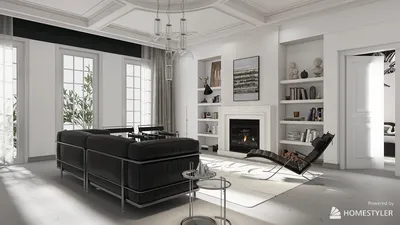


I had a client once who envisioned a walk-in pantry in a 3-bedroom prefab home that was hardly broader than a hallway. I ambitiously promised them the moon and ended up having to create half of it on the fly. This little hiccup taught me that compact prefab designs often spark inventive solutions, revealing that many of the best ideas can emerge from constraints.
1. Open-concept living with defined areas
I typically recommend removing non-load-bearing walls between the kitchen and living rooms to enhance the feel of a larger communal space. By creating zones with a sofa, a low bookcase, or an area rug, you can maintain distinct functions without enclosing the area. The benefits are clear: improved light flow and visual openness, while the downside includes the potential for noise and cooking aromas to spread more freely—a quality extractor hood can significantly mitigate this issue.
save pin
2. Custom storage that enhances the design
Tailored cabinets that fit into corner nooks or frame beds maximize every square inch of space. I've successfully incorporated shallow closets and recessed shelves within prefab walls to avoid bulky standalone units. This approach not only conserves floor space but also provides a sleek appearance, although custom solutions tend to be more expensive than their mass-produced counterparts.
save pin
3. Adaptable guest/office bedroom arrangements
In numerous 3-bedroom prefab designs, one room often ends up underutilized. I suggest implementing a fold-out bed or a sofa bed along with a compact desk, facilitating easy transitions between functions. This strategy allows the home to remain flexible for guests, children, or remote work; however, you may have to sacrifice some storage or permanent furnishings in favor of adaptability—select options with built-in niches for a smarter layout.
save pin
4. Bright, reflective finishes with intelligent lighting
Employing light colors, semi-gloss trim paint, and mirrors in confined hallways can make prefab interiors appear more spacious. I recommend using layered lighting—ceiling, task, and accent lighting—to avoid dull, boxy environments. The challenge lies in achieving a balance between warmth and brightness; excessive cool white light can come across as sterile, so it’s wise to incorporate warmer hues in living spaces.
save pin
5. Efficient kitchen designs for small footprints
In diminutive prefab homes, the kitchen design needs to be remarkably efficient: think of continuous countertops, integrated appliances, and a narrow island that serves dual purposes as dining space. I frequently design a galley or L-shaped kitchen with optimized vertical storage. While this setup is highly functional, it does necessitate careful planning to prevent cramped walkways.
save pin
Tips 1:
When designing a 3-bedroom prefab, I often sketch several quick floor plan alternatives to analyze movement—it's astonishing how a repositioned door or a slimmer closet can unlock usable space. For initial concept visualizations, I sometimes employ Homestyler to create layouts before moving into the construction phase.
save pin
FAQ
Q: What is the typical size of a 3-bedroom prefab house? A: Common sizes range between 800 to 1,400 sq ft, depending on the layout and quality; smaller designs emphasize shared living spaces.
Q: Are 3-bedroom prefab homes customizable? A: Yes—numerous manufacturers allow modifications in layout, finishes, and fixtures, though structural adjustments might be limited compared to traditional constructions.
Q: What strategies make a small prefab home seem larger? A: Implementing open-concept layouts, built-in storage, light finishes, and consistent flooring can foster a sense of continuity and space.
Q: Can I incorporate an office into a 3-bedroom prefab? A: Certainly; transforming a solitary bedroom into a dual-use guest/office space with a sofa bed or murphy bed is a widespread and practical approach.
Q: What common challenges exist in designing prefab kitchens? A: Neglecting workflow and appliance positioning can lead to inefficiencies; it’s crucial to assess the work triangle and spacing prior to finalizing designs.
Q: How much does custom-built storage typically cost? A: Prices vary widely based on materials and labor, but built-ins generally represent a larger initial investment than flat-pack furniture while providing better fit and longevity.
Q: Are prefab homes capable of being energy-efficient? A: Many prefab builders offer high-insulation panels and energy-efficient systems; it's advisable to verify certifications and R-values when exploring options. (Source: U.S. Department of Energy — https://www.energy.gov)
Q: How can I quickly visualize various layouts? A: I frequently utilize a free floor plan creator such as Homestyler to experiment with multiple designs and present realistic views to clients before construction commences.
save pin
Discover your dream space with Homestyler! This user-friendly online design platform offers a powerful design tool, stunning 3D renderings, and a wealth of DIY video tutorials. Whether you're a novice or a pro, bring your creative vision to life with ease and inspiration!
立即免费设计
































