


The evolving lifestyle landscape continues to shape our approach to small-home design as we address persistent challenges such as stagnant air in corners, storage inefficiencies, and routines constrained by functionality. Current industry research reveals a significant shift towards versatile layouts and improved spatial flow, with a particular focus on a 750 sq ft Indian-style floor plan that offers a unique framework for modern living. This design functions as a blueprint for how families will prepare meals, connect, and recharge in the coming years: the spatial reasoning tools I employ are readily accessible, yet the user experience must remain relatable and intuitive, especially when utilizing tools like Homestyler for layout visualizations.
Hybrid Courtyard Spine + Two-Bay Living
Design Concept: A micro-courtyard spine positioned near the entrance enhances natural light and airflow, making puja and dining the heart of the home's thermal dynamics—future resilience necessitates spaces that support cross-ventilation.
Flow: Entry leads to a vestibule, progressing into the living-dining area, followed by a courtyard opening leading to the kitchen; the private section branches off into the bedroom and a multipurpose room, resembling a branching decision tree.
Sightlines: Created from the front door through to the altar space and balcony edge; the user interface prioritizes ritual visibility first, followed by horizon views and functional utilities last.
Storage: A tall pantry, dining drawers beneath the benches, and a puja loft shelf—items are organized based on use frequency rather than volume.
Furniture Configuration: A 3-seat low-profile sofa, a 30" deep dining bench, and an 8' galley kitchen; design constraints ensure pathways remain 36–40" wide.
Conclusion: In five years, this layout, incorporating climate-sensitive ventilation and proximity to ritual spaces, will feel both sacred and practical.
save pin
Split-Galley Kitchen + Sliding Partition Studio
Design Concept: A split galley arrangement encompasses a wet zone, while a sliding partition transforms the living space into a guest studio; future households will favor flexible living modes instead of fixed rooms.
Flow: The kitchen functions like an efficient pipeline: preparation → cooking → serving; the partition facilitates seamless transitions between guest and office uses without altering the overall layout.
Sightlines: Designed to frame views from the cooktop through to the dining area and balcony; sliding panels allow for privacy adjustments, reminiscent of controlling information flow.
Storage: Features include overhead cabinets reaching 8’ high, toe-kick drawers, and vertical broom slots—this hierarchy minimizes time spent searching for items and reduces clutter.
Furniture Configuration: A 60" fold-out table, wall bed in the flex space, and stackable chairs; specifications maintain 900mm wide pathways to ensure accessibility.
Conclusion: This design represents a nimble solution, allowing hospitality and workspaces to interchange instantly—ideal for future families adapting to gig economy dynamics.
save pin
Temple Niche + Two-Room Sleep Gradient
Design Concept: The puja niche is strategically placed between living and sleeping areas, serving as a daily refresh space; a two-room gradient (primary and a compact option for kids or parents) accommodates multigenerational living.
Flow: Rituals lead into meals, unwinding, and finally sleep; these sequences operate like organized schedules, each with distinct transitions.
Sightlines: A soft alignment from the niche lamp to the headboard, complemented by lateral views to the balcony for morning light stimulation.
Storage: Customized wardrobes, trunk beds, and overhead lofts along the corridor—organization is based on seasonal needs rather than room categories.
Furniture Configuration: A 5' bed in the primary space, a 4' bed in the secondary, with seat heights of 16–18" for elder accessibility; design parameters maintain clean door swing areas.
Conclusion: Over the next five years, this layout supports gentle daily routines and facilitates aging in place, while the design remains compact and comfortably airy.
save pin
Final Insights
A 750 sq ft Indian-style layout can function like an interactive interface, adapting seamlessly to accommodate rituals, work, and family connections. Variants—such as one-bedroom configurations with a flexible studio, compact two-room designs, or hybrid courtyards—represent thoughtful solutions for future-proofing small residences. My observations highlight that the most effective compact homes aren't necessarily larger; they are crafted with intention, and the continual integration of precise flow and storage redefines daily living dramatically, especially when utilizing platforms like Homestyler for visual planning.
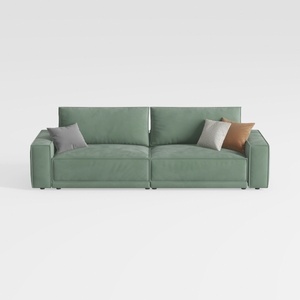
Minimalist Sage Green Fabric Sofa with Decorative Throw Pillows 3D Model


Minimalist Fabric Upholstered King Size Bed 3D Model
Transform your home with Homestyler! This intuitive online design platform offers a user-friendly tool to create stunning 3D renderings, explore design projects, and follow engaging DIY video tutorials. Whether you're a novice or a pro, Homestyler makes home design enjoyable and accessible for everyone!
立即免费设计
































