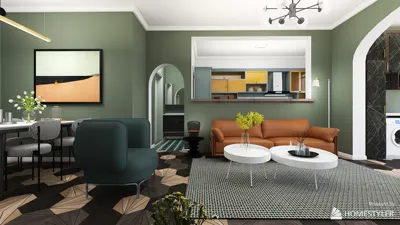


Once, I worked with a client who requested "an invisible clothesline" for their apartment; they wanted towels to dry without revealing any laundry activity. This challenge prompted me to explore innovative hanging solutions, demonstrating how even in a compact space, such as a tiny home, you can maintain an airy feel—socks included. If you’re planning a small laundry area, I’ll share five practical ideas shown in real projects and key considerations to keep in mind.
1. Ceiling-mounted pulley drying rack
I am a fan of pulley systems for balconies and kitchens as they effectively lift clothes out of the way, offering sunlight exposure while conserving floor space. These systems are both cost-effective and highly efficient, though proper installation requires secure anchors and regular maintenance to ensure pulleys operate smoothly.
save pin
2. Fold-away wall rack near the shower
Consider mounting a slim fold-away rack on your bathroom wall or above the tub; it’s an excellent spot for drying towels and delicate items. While it effectively manages damp items, ensure good ventilation—no amount of clever design can substitute for a quality exhaust fan.
save pin
3. Retractable balcony line that tucks away
For narrow balconies, I prefer retractable lines that neatly conceal themselves when not in action; neighbors appreciate the clean appearance. If you want to plan hanging layouts for various balcony sizes, use mockups to visualize positions before purchasing hardware—this can prevent awkward adjustments during installation.
save pin
4. Vertical wall-mounted foldable units for apartments
Think about slim, vertical frames that fold flat against a wall or can be installed inside a closet door. They are perfect for maximizing space when capacity is needed but depth is limited; however, be cautious as heavier items might sag unless the unit is properly secured.
save pin
5. Integrated drying cabinet or heated airer in a closet
For a more refined appearance, I sometimes transform a shallow closet into a drying cabinet equipped with airflow or a plug-in heated rack—ideal for wet seasons and quick freshening up. Although this is generally a higher-end option, it offers a neat aesthetic and faster drying; do consider electrical load and adequate ventilation.
save pin
Tips 1:
Keep a small hand steamer or travel iron at your hanging area to quickly remove wrinkles as clothes come off the line—a simple trick that I picked up after a somewhat stressful installation post-honeymoon.
save pin
FAQ
Q1: What’s the best drying solution for small balconies?
I generally recommend retractable lines or ceiling pulleys—both options optimize air and sunlight exposure without occupying floor space. Be sure to check local regulations on fixed exterior installations before you proceed.
Q2: Can I dry clothes indoors without causing mildew?
Absolutely—ensure proper ventilation, use a dehumidifier or a bathroom fan, and avoid overcrowding items. Maintaining space between garments speeds up drying and lowers the risk of mildew.
Q3: Are ceiling pulley racks difficult to install?
They are not necessarily tricky, but they need to be anchored to sturdy joists or structures; using plastic anchors in drywall isn’t reliable for heavy items. If you’re unsure, it’s best to consult a professional for secure anchor placement.
Q4: Do heated drying cabinets damage clothes?
Most modern cabinets operate at low, safe temperatures suitable for delicates, but it’s important to check the care labels on garments. For synthetics and delicate fabrics, opt for lower heat settings and shorter drying cycles.
Q5: What’s the energy-saving method for drying clothes?
Air-drying remains the most energy-efficient choice; utilizing natural ventilation or indoor racks conserves electricity compared to electric dryers. According to the U.S. Department of Energy, line drying can significantly cut down energy consumption (visit energy.gov for further information).
Q6: How can I conceal a drying area in a studio apartment?
Employ fold-away racks inside cabinets or wardrobes with slatted doors allowing airflow; it keeps the area neat and hides your laundry between uses.
Q7: Any quick tips to prevent drips indoors?
Lay a washable mat or tray underneath, and rotate items to prevent heavier pieces from pooling water at the bottom. A drip cup at the end of a rod can also help.
Q8: Where can I find layout ideas for tight laundry setups?
Draw your wall or balcony dimensions and experiment with different positions for airflow and sunlight; using simple mockups with tape and a clothes hanger can provide a quick reality check before purchasing the fixtures.
save pin
Homestyler is your go-to online home design platform! With its user-friendly design tool, stunning 3D renderings, and a wealth of DIY video tutorials, you can effortlessly create and visualize your dream spaces. Transform your home design ideas into reality today!
立即免费设计
































