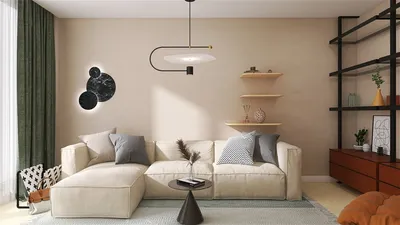


As I observe clients grappling with noise, storage challenges, and daily disruptions, it becomes apparent that modern designs, such as the Pebbles 2 floor plans found in a 701A building, are paving the way for the future. Recent data from AIA highlights a trend towards downsizing with more intelligent layouts, which aligns with our approach to two-floor plans treated like coded living spaces. Here, the toolkit for spatial reasoning becomes essential infrastructure, reinforcing the notion that space serves as our interface.
Split-Level Social Hub + Peaceful Loft
Design Principle: Public areas on the first floor and private spaces on the second—future routines effectively separate noise from clarity, allowing social interactions to thrive while maintaining a tranquil sleep environment.
Flow of Movement: From entry → kitchen hub → living space → stair node → loft suite; much like a well-structured function, every segment provides clarity without any negative repercussions.
Sightlines: Diagonal views from the entry leading through to the living area and stairway; the upper floor retains gentle openings while user interface layers diminish as intimacy amplifies.
Storage Solutions: Utilizing the space under the stairs for storage, vertical pantries, and built-in bed walls; this approach to capacity expands much like additional memory, all while keeping visual clutter at bay.
Furniture Specifications: Low-back sofa measuring 84 inches, a 60" x 32" table, and a queen platform bed sized at 60" x 80"; each dimension considers the API limitations of movement and accommodates future micro-habits.
Conclusion: This split-level layout interprets the evolving social dynamics of the future, allowing communal activities and personal rest to coexist harmoniously, ensuring a resilient design for the next five years.
save pin
Dual-Aspect Living + Adaptive Work Niche
Design Principle: Twin exposures function like dual monitors, where natural light harmonizes with biological rhythms, and a work niche integrates seamlessly into leisure time without encroaching.
Flow of Movement: From entry buffer → living spine → niche dock → balcony portal → stair; actions take place left-to-right before ascending for intensive focus periods.
Sightlines: The main line runs from the kitchen to the terrace, with a secondary view towards the niche; the layout prioritizes horizon views while keeping clutter out of sight.
Storage Solutions: A wall-length console, overhead niches, and balcony benches optimize storage; items are organized to minimize clutter—frequently used items in easy reach, with archives stored away.
Furniture Specifications: Compact sectional measuring 72 inches, a desk sized 48" x 24", and a fold-leaf dining table at 40"; these elements align with movement thresholds, allowing seamless transitions during busy times.
Conclusion: This design fosters a healthy work-life balance—productive yet adaptable, prepared for changing schedules and device use scenarios.
save pin
Corner Kitchen Loop + Privacy Stack
Design Principle: The corner kitchen enhances efficiency, while the privacy stack above supports restful sleep and caregiving, ensuring adaptability for multi-user routines.
Flow of Movement: A looped galley → dining space → living area → stair gateway → bedroom suite; this streamlined loop minimizes backtracking, conserving cognitive resources.
Sightlines: From the sink to the dining area and from the sofa to the stairs; views synchronize actions—prepare, serve, and enjoy—before ascending into quieter spaces.
Storage Solutions: Deep base drawers, tall larders, and linen towers; storage is layered like databases: quick-access, cold storage, and long-term.
Furniture Specifications: A round dining table of 36 inches, a media console of 60 inches, and a 48-inch dresser; every item considers the necessary clearances for smooth flow without disruptions.
Conclusion: This balanced design allows culinary, social, and restorative activities to coexist within a single structure, ready to serve the needs of the next five years.
save pin
Final Thoughts
The Pebbles 2 model within a 701A building transforms floor plans into living code—a two-story design that adapts to hybrid work, relaxation, and community life into intuitive interfaces. As these configurations evolve into responsive apartment layouts, the capacity for daily activities grows without requiring more space. In my view, the most innovative homes of the future will prioritize intention over size, as I've observed how nuanced spatial decisions subtly redefine lifestyles.

Modern Black Solid Wood Rattan Dining Chair 3D Model

Minimalist Solid Oak Square Dining Table 3D Model
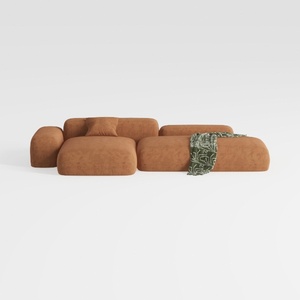
Minimalist Brown Fabric Modular Sectional Sofa 3D Model
Looking to transform your space? Homestyler is the ultimate online home design platform! With an easy-to-use design tool, stunning 3D renderings, and inspiring video tutorials, you'll effortlessly create and visualize your dream home—perfect for both beginners and pros!
立即免费设计
































