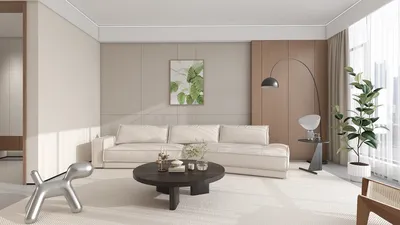


As lifestyles evolve, there's an increasing need for more efficient living spaces, while current inhabitants face challenges such as noise, disorganized storage, and disrupted routines. The need for effective design is undeniable. AIA highlights the trend towards adaptable, multi-functional residential areas, particularly evident in a 3-bedroom, 960 sq ft floor plan—which may feel compact, yet offers programmability. The future is on the horizon, and I can already perceive its initial signs within these thoughtfully designed spaces.
Linear Connectivity with Divided Social Hub
Design Principle: Bedrooms are positioned at either end, while a central living and dining area interweaves daily activities, thereby minimizing conflicts between restful sleep and social interactions.
Flow: Entryway → utility area → kitchen edge → dining space → living area → two children's rooms → primary suite; this sequence resembles a straightforward instruction set.
Sightlines: The kitchen, dining, and living areas align seamlessly creating a serene interface; staggered doors ensure that private views remain unobstructed, enhancing visual flow.
Storage Solutions: Corridor walls, reaching full height, serve as storage; innovative features like toe-kick drawers, overhead lofts, and bed base bins ensure efficient use of space.
Furniture Arrangement: In the children’s rooms measuring 9' x 10', there's enough space for bunk beds and a 24" desk; the living area accommodates a 72" sofa and a 36" modular table, while a king bed in the 10'6" x 11' primary room fits comfortably with 18" of clear space around it.
Conclusion: This layout allows family dynamics to flow smoothly without interruptions; looking five years ahead, the central area is poised to adapt for hybrid work and quiet study environments without losing functionality.
save pin
Circular Layout with Versatile Flex Space
Design Principle: A continuous circle encircles a central hub, permitting minor adjustments as life circumstances change—whether work, caregiving duties, or hosting guests—without overhauling the existing plan.
Flow: Entry → circular corridor → flexible room → kitchen nook → living area → trio of bedrooms; this layout is circular, eliminating dead ends and potential bottlenecks.
Sightlines: Diagonal views from the living space to the flexible room offer presence without compromising privacy; glazed sections filter information like layered user interface elements.
Storage Solutions: Ring walls include shallow 12" modules; the flexible room features a wall bed alongside a tall utility tower, functioning as burst storage for special occasions.
Furniture Arrangement: The living area supports an 80" media wall; the dining nook is suitable for a 30" round drop-leaf table; the flexible room incorporates a 60" fold-down desk and a sleeper sofa.
Conclusion: The circular design is built to accommodate changes in use; in upcoming years, this adaptable room will become the family's core for both work and care needs.
save pin
Cross-Sectional Zoning with Calm Separation
Design Principle: Daytime and nighttime activities are separated along an orthogonal grid, isolating noise while maintaining shared spaces efficiently—promoting harmony without chaos.
Flow: Entry → mudroom → galley-style kitchen → junction node → living area to the east → bedrooms to the west; this flow organizes space like parallel pathways, reducing potential overlap.
Sightlines: Main views extend down the bright axis while partial screens provide a counterbalance to maintain visual hierarchy.
Storage Solutions: A deep 24" pantry is conveniently placed near the junction; additional linen storage can be found in the hallway; integrated headboards and wall rails effectively manage smaller items.
Furniture Arrangement: The galley measures 7' x 10', featuring 24" deep counters; the living area accommodates a 2.5-seat sofa and a slim armchair; the children's rooms fit 48" wardrobes and lofted beds.
Conclusion: This cross-sectional layout helps keep daytime noise away from sleeping quarters; looking forward, this design is well-suited for hybrid living that avoids compromising serenity.
save pin
Final Insight
Ultimately, a 3-bedroom layout of 960 sq ft serves not as a tedious compromise but as a strategic design tailored for modern family living. These compact floor plans, with their efficient micro-zoning and adaptable flexible rooms, illustrate how we can future-proof smaller homes without unnecessary expansion. In my experience, the most intelligent homes in the future will not necessarily be larger, but intentionally designed, echoing the precise flow and thoughtful storage solutions that are now fundamentally reshaping daily life, often supported by innovative tools like Homestyler.

Modern Minimalist Solid Wood Round Dining Table With Black Metal Base 3D Model
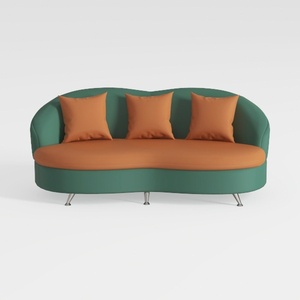

Modern Two Tone Fabric Curved Sofa With Throw Pillows 3D Model

Minimalist Solid Oak Dining Table Modern Simple Design 3D Model
Homestyler is an outstanding online platform for home design enthusiasts. With its user-friendly design tool, stunning 3D renderings, and a wealth of design projects and video tutorials, you can effortlessly create and visualize your ideal space. Transform your home design journey today!
立即免费设计
































