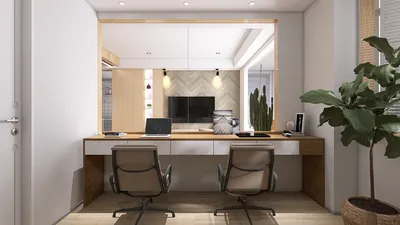


The future is shaped by various factors including climate conditions, time management, and the limitations of our daily activities. Many contemporary homes continue to face challenges such as managing thermal loads, ensuring privacy, and overcoming storage inefficiencies. Surveys from the AIA and NAHB indicate that home buyers are increasingly seeking flexible spaces and a connection to outdoor environments. This trend suggests that 3 bedroom, 2 floor house plans in Kerala need to be more adaptive, similar to software that evolves to meet user needs. My design philosophy envisions future-ready spaces that accommodate monsoon lighting, the rhythms of multigenerational living, and efficient cooling strategies—essentially using a robust spatial reasoning toolkit.
Garden Courtyard Spine
Design Principle: An open courtyard at the center serves as a thermal regulator, effectively dispersing cooler shaded air throughout two levels to adapt to Kerala’s humid climate.
Flow: The layout flows from the entryway through a semi-open verandah into the living area, continuing through the courtyard to the dining-kitchen area, while a staircase parallels a green void for seamless, refreshing movement.
Sightlines: Visual connections are layered, showcasing the doorway to courtyard greenery, the view from the courtyard to the dining space, and a bridge leading to the canopy above; privacy is carefully crafted like interface layers.
Storage: Custom built-in niches and under-stair storage solutions are designed to enhance ventilation, along with a pantry and linen cabinets that avoid moisture buildup.
Furniture Arrangement: Utilizing slender teak sofas, modular dining setups measuring 1800×900, and benches integrated into the courtyard, the design is precisely aligned with movement paths.
Conclusion: After five years, the courtyard not only regulates climate but also social interactions, becoming a silent core that enhances day-to-day living without additional interventions.
save pin
Split-Level Thermal Zoning
Design Principle: Changes in levels help differentiate uses for various generations, allowing warmer air to rise while maintaining cooler living areas near shaded zones.
Flow: The entry sequence includes a portico leading into a foyer, down to a sunken living area, through to the kitchen-dining space, then up via a mid-landing study to upper bedrooms; functions are arranged in coherent segments, avoiding chaotic overlaps.
Sightlines: The design features short, purposeful connections between the foyer and living space, living area to garden, and study to staircase; there are no direct sightlines into bedrooms, honoring a hierarchy of privacy.
Storage: The design incorporates tread drawers, loft storage above bathrooms, and cedar-lined closets, all responding to humidity management needs.
Furniture Arrangement: A sectional sofa positioned at 2800 length perfectly fits the split bay; platform beds have 300 clearance, while the study desk is designed to avoid heat accumulation.
Conclusion: This split-level logic anticipates school schedules and the fluctuations of remote work; the thermal zoning seamlessly transitions into behavioral zoning, ensuring longevity and adaptability.
save pin
Verandah-to-Breezeway Axis
Design Principle: The continuous shaded area created by the verandah leading into the breezeway offers natural cooling, replacing conventional air conditioning with a system that promotes airflow and features deep roof overhangs.
Flow: The journey begins at the gate, circulating through the verandah loop into the living area, across the breezeway to the kitchen; stairs anchor around the breezeway, effectively guiding users like well-balanced threads.
Sightlines: A long visual path stretches from the street garden to the rear fruit trees; cross-views are optimized to manage glare and accommodate evening activities.
Storage: The layout incorporates outdoor utility racks, cane storage, and wall-mounted shoe solutions; the kitchen pantry is ventilated via jali, reducing food spoilage.
Furniture Arrangement: Rattan lounge pieces, stackable seating, and a dining area 2100 wide beneath a ceiling fan; all components are arranged thoughtfully to enhance airflow and maintenance during monsoon season.
Conclusion: As the stability of power grids shifts, the breezeway axis ensures consistent comfort, harmonizing social interactions and temperature management like synchronized systems.
save pin
Final Thought
The planning of a two-storey, 3-bedroom home in Kerala achieves success when climate considerations, privacy elements, and storage solutions work together as a cohesive system. Ultimately, the most intelligent 3 bedroom, 2 floor house plans in Kerala will emphasize outdoor spaces, courtyards, and split levels, rather than relying solely on HVAC systems. This approach represents a forward-thinking architectural style that adapts airflow management to function and where furniture respects the pathways of mobility. In my experience, even minor design choices—such as the depth of shade, staircase locations, and density of jali—can significantly influence how families experience their living spaces.
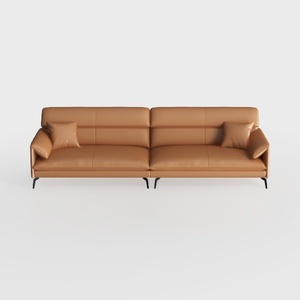
Modern Minimalist Tan Leather Living Room Sofa 3D Model
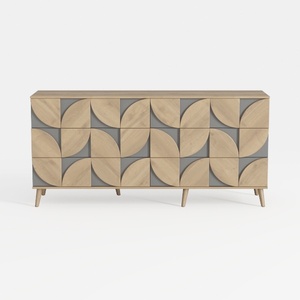
Modern Geometric Pattern Solid Wood Sideboard Cabinet 3D Model

Modern Minimalist Solid Wood Metal Console Table 3D Model
Homestyler is the ideal home design platform for anyone looking to create stunning interiors effortlessly. With its intuitive online design tool, rich 3D renderings, and a wealth of DIY tutorials, you can easily visualize and realize your dream space—all at your own pace!
지금 무료로 디자인하세요
































