


The evolution of the hospitality industry is focusing on refining luxury with precision. Traditional hotels often waste time due to inefficient back-of-house processes and underutilized corridors. Recent insights from AIA and NAHB reveal that guests prioritize experiential efficiency over size, while Zillow’s data supports the trend of valuing amenities. My analysis of a high-end hotel floor plan utilizes a spatial reasoning toolkit, treating each room as a node and optimizing flow like coding. The future is approaching quicker than anticipated, and I am mapping it out now.
Sky Lobby as Central Hub
Design Principle: Elevate the check-in experience to a sky lobby, separating guest arrivals from street-level disruptions; a vertical network with minimal horizontal transitions is the future.
Flow: Guest arrival leads to an express lift, then to a lobby lounge, a barista counter, followed by a check-in pod, and finally to suites; staff pathways run parallel to guest routes, maintaining privacy.
Sightlines: The entrance aligns with urban views; large windows spotlight lounge areas, with discreet art installations acting as navigational cues.
Storage: Custom millwork along the back wall accommodates luggage, linens, and tech accessories, with an organized tiered storage system—hot storage in front and cold storage deeper.
Furniture Dimensions: Desks designed at a height of 36" and a depth of 30"; modular seating options serve as flexible accommodations for various group sizes.
Conclusion: In five years, this area will function as the hotel's neural center—featuring fewer counters, expanding touchpoints, and enhancing overall guest service.
Save this idea
Guest Room as Flexible Space
Design Principle: The five-star room transforms into a versatile space for rest, work, and wellness, all within a precise DWG grid for quick specification adjustments.
Flow: From the threshold alcove, the path leads to a wardrobe, then to the wet area, followed by the sleep area, and finally a window desk; staff services access through discreet panels.
Sightlines: As the door opens, the reveal is layered with an accent wall, softly illuminated headboard, and skyline views; the TV is positioned off-axis to prevent it from dominating the room.
Storage: Features like under-bed drawers, headboard compartments, and a luggage trench provide quick access to essentials while maintaining a tidy appearance.
Furniture Dimensions: The king bed measures 76" x 80", with clear space of 30" on both sides; the desk has dimensions of 54" x 22"; and the chaise is 28" wide—each measurement is designed for optimal comfort.
Conclusion: The guest room acts like a software update—amenities can change without requiring major rewiring, seamlessly adapting to the evolving needs of wellness and work.
Save this idea
Back-of-House as a Service Network
Design Principle: Service corridors function as a low-latency mesh, where the essence of future luxury relies on seamless operational throughput in addition to elegant finishes.
Flow: Service paths lead from the loading dock to receiving bays, separating clean and dirty areas, then to service elevators and pantries on each floor; routes are designed to avoid guest interactions.
Sightlines: Removing blind corners enhances visibility; glass panels at intersections allow operators to monitor activities efficiently.
Storage: Shelving in pantries is organized based on frequency of use; linen chutes act as direct access points, and cold storage is positioned near banquet lift areas.
Furniture Specifications: Cart bays maintain a 40" clearance, doors are 48" wide; prep tables measure 30" x 72", with all designs tailored to accommodate peak banquet requirements.
Conclusion: This invisible network will define the essence of luxury—service will feel immediate, as the efficient connectivity eradicates delays across every point of interaction.
Save this idea
Final Thoughts
A floor plan for a five-star hotel is more than just a geometric layout; it serves as an operational interface where every corridor and door contribute to either latency or swift service. From luxurious suites to back-of-house logistics, these layouts operate like modular systems, ensuring the hospitality experience is future-ready. My observations suggest that the most successful hotels will not only be innovative but also more deliberate in their design, and I will continue to create with this vision in mind through tools like Homestyler.
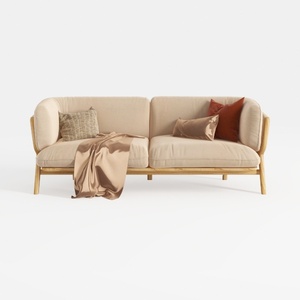

Minimalist Solid Wood Linen Fabric Loveseat Sofa 3D Model
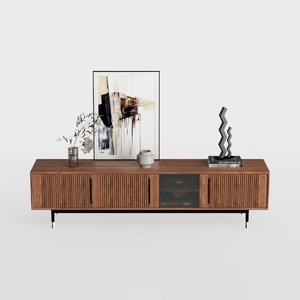
Modern Minimalist Walnut Fluted Door TV Cabinet 3D Model
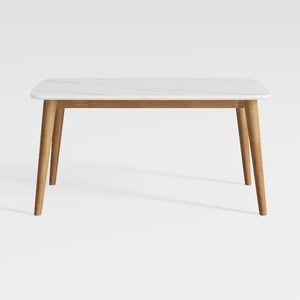
Modern Minimalist Faux Marble Solid Wood Dining Table 3D Model
Homestyler is your go-to online home design platform, perfect for all skill levels. Its user-friendly design tool and stunning 3D renderings make it easy to visualize your ideas. Plus, with a wealth of inspiring design projects and helpful video tutorials, transforming your space has never been simpler!
立即免费设计
































